
The nation’s romance with Love Island has lost its spark. Five years ago, the dating show was a reality TV phenomenon, alluring and addictive enough to make us curtail our social lives in order to make it home in time for the synthy opening music. But after season upon season of identikit casting, concerns over the impact on contestants’ mental health and a few lacklustre winter spin-offs, ratings have gone into freefall. In 2023, just 1.3 million tuned in for the summer launch episode, 1 million fewer than the previous year. Can anything rekindle this ailing relationship?
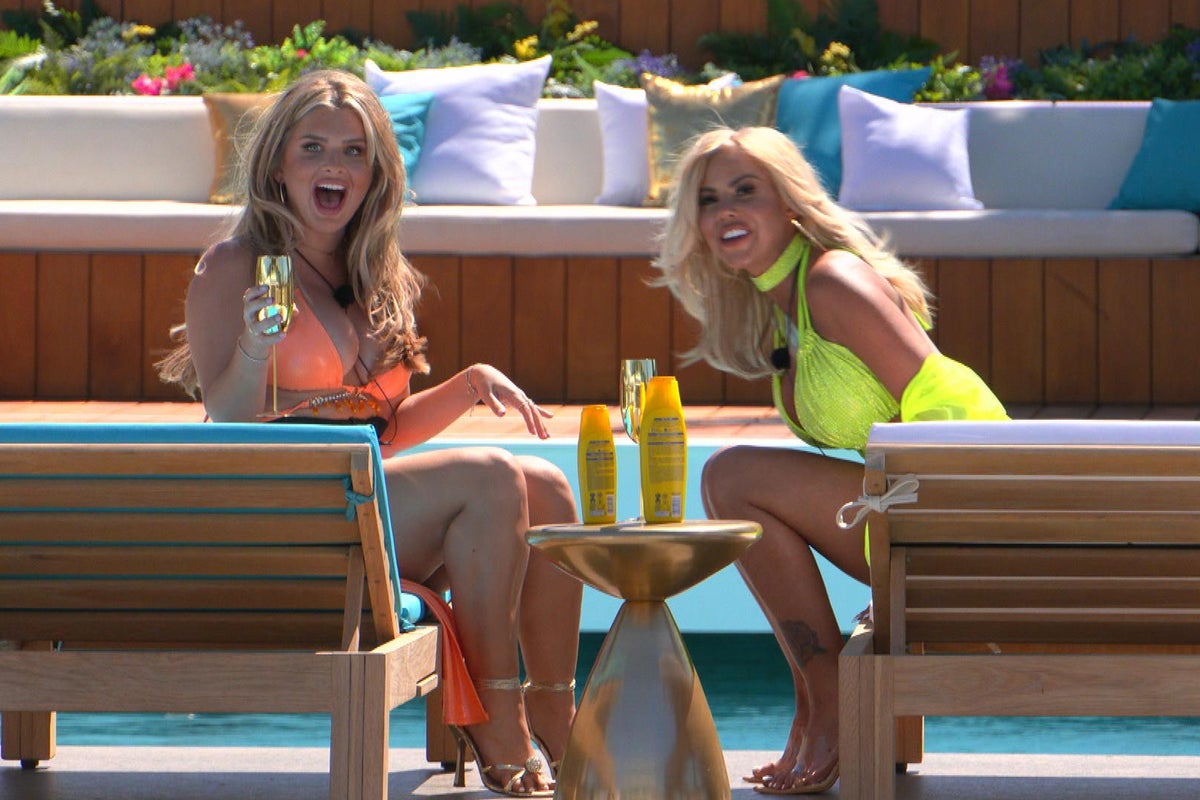
ITV execs must be hoping that a new All Stars format shake-up will be enough to do just that. Instead of gathering a new cohort of genetically blessed singles and flying them out to a villa in South Africa, the show’s producers have this time dug out their old contact books. They’ve recruited former islanders who have “been there, done that, got the personalised water bottle”, as narrator Iain Stirling puts it in his opening voiceover, but are still up for a second shot at finding love in a highly artificial televised scenario.












