Get all your news in one place.
100’s of premium titles.
One app.
Start reading
The Free Financial Advisor
Brandon Marcus

Louisiana Insurance Crisis: Non-Renewal Rates Jump Since 2018

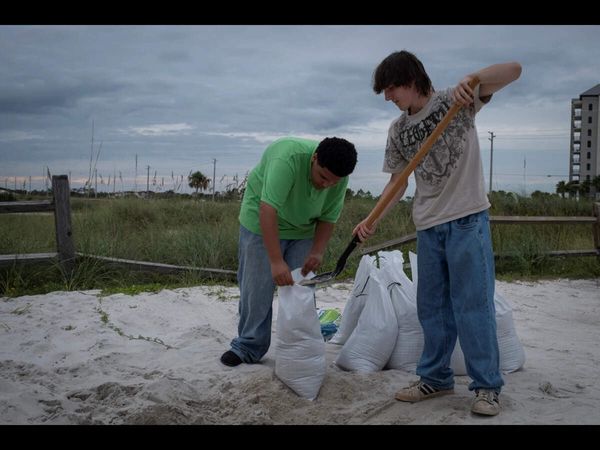
Image source: shutterstock.com

Imagine opening a letter that instantly changes your financial reality. Not a storm warning, not a tax notice, but a simple sentence that hits harder than a hurricane: “Your policy will not be renewed.” For thousands of Louisiana homeowners, that sentence has become painfully familiar.

Since 2018, insurance non-renewal rates across the state have reportedly surged, transforming what used to be a background concern into a full-blown household crisis. This isn’t just about insurance paperwork—it’s about mortgages, housing security, community stability, and whether people can realistically afford to stay in the homes they love. And the ripple effects? They’re reshaping Louisiana’s housing and economic future in ways that go far beyond storm season.

Why Louisiana’s Insurance Market Is Under Pressure Like Never Before

Louisiana has always lived with risk, but the scale of today’s insurance disruption is new territory. A growing pattern of stronger hurricanes, heavier rainfall, and more frequent flooding has dramatically increased losses for insurers, making long-term risk models far less predictable than they used to be.

At the same time, reinsurance costs—the insurance that insurance companies buy to protect themselves—have surged, forcing companies to either raise prices, reduce coverage, or exit high-risk markets entirely. When insurers pull back, the result isn’t just higher premiums; it’s fewer available policies and more homeowners left scrambling for coverage.

What a Jump in Non-Renewals Really Means for Homeowners

An increase in non-renewals isn’t just a scary statistic—it’s a daily reality for families trying to protect their biggest investment. Non-renewal means homeowners aren’t being dropped for missing payments or filing fraudulent claims; they’re being told the company simply no longer wants to insure their property or area.

That forces people into a stressful hunt for replacement coverage, often at significantly higher costs and with less protection. In many cases, the only option becomes last-resort insurers, which typically come with higher premiums and more limited coverage.

How This Crisis Is Reshaping Housing, Communities, and Affordability

The insurance crisis doesn’t stay confined to policy documents—it spills directly into the housing market. Rising premiums and shrinking coverage options make homes harder to sell, harder to insure, and harder to finance. Buyers hesitate, lenders get cautious, and entire neighborhoods can see declining demand simply because insurance has become too expensive or too hard to secure.

This creates a quiet but powerful shift in where people choose to live, often pushing families away from high-risk areas even if those places have been home for generations. Communities that rely on stable property values and long-term residents feel the pressure in subtle but serious ways.

What Homeowners Can Do Right Now to Protect Themselves

While the system-level problems are massive, there are practical steps homeowners can take. Shopping policies early—well before renewal deadlines—can expand options and reduce panic-driven decisions. Investing in mitigation measures like fortified roofing, flood-resistant construction features, and updated drainage systems can improve insurability and sometimes reduce premiums.

Working with experienced local insurance agents who understand regional risk patterns can make a huge difference in navigating limited markets. It’s also smart to stay informed about state-level programs, building codes, and resilience initiatives that may create future insurance incentives.

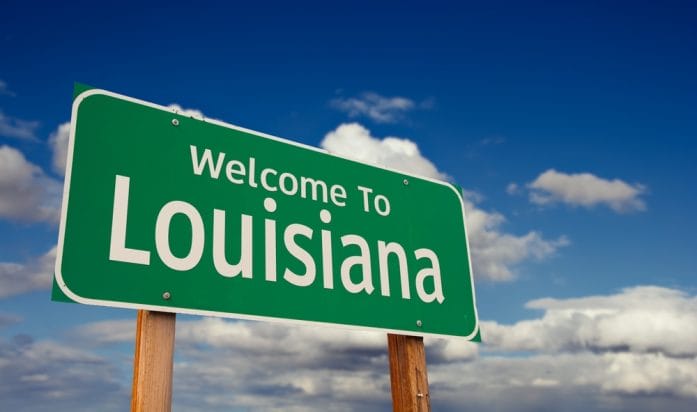
Image source: shutterstock.com

Why This Isn’t Just an Insurance Story

At its core, Louisiana’s insurance crisis is about resilience—financial, environmental, and social. Insurance is the invisible infrastructure that allows people to rebuild after disasters, secure mortgages, and invest in communities with confidence. When that system destabilizes, everything built on top of it starts to wobble.

This isn’t just about hurricanes or premiums; it’s about whether communities can sustainably exist in high-risk areas without pricing out the people who already live there. It’s about how climate risk, financial systems, and housing markets intersect in ways that everyday families feel first and hardest.

What Louisiana’s Insurance Future Really Depends On

The path forward will depend on smarter risk planning, stronger building standards, better disaster mitigation, and insurance systems that reward resilience instead of simply retreating from risk. Long-term solutions won’t come from one policy change or one company’s decision; they’ll come from coordinated efforts between homeowners, insurers, regulators, and communities.

This moment could redefine how the state approaches housing, development, and disaster preparedness for decades to come. The challenge is massive, but so is the opportunity to build something more stable, fair, and sustainable.

What changes do you think Louisiana needs most to stabilize its insurance market—and protect homeowners for the long run? Tell us your thoughts in the comments section below.

You May Also Like…

California’s Insurance Cancellation Crisis: 3.18% of Homeowners Lost Coverage in 2024

The Credit Score That Adds $2,000/Year to Florida Homeowner’s Insurance Premiums

The One Household Appliance That Will Spike Your Insurance Premiums if Discovered During Inspection

The Florida Insurance Trap: Why “Safe” Neighborhoods Are Facing a $500 Monthly Payment Hike This Week

6 Reasons Your Car Insurance Company Can Legally Drop You After One Claim

The post Louisiana Insurance Crisis: Non-Renewal Rates Jump Since 2018 appeared first on The Free Financial Advisor.

Sign up to read this article
Read news from 100’s of titles, curated specifically for you.
Already a member? Sign in here
Related Stories
Top stories on inkl right now
One subscription that gives you access to news from hundreds of sites
Already a member? Sign in here
Our Picks
Fourteen days free
Download the app
One app. One membership.
100+ trusted global sources.