NEW DELHI: Liquor dealers have sought to shut shop in nine of the 32 zones in the capital, excise officials said, with insiders citing huge losses on the back of discounts offered by big players and competition in the zones. The excise website list shows just 464 shops left in Delhi, reports Atul Mathur. Under the 2021-22 excise policy, licences were given to 849 shops and only 639 opened till May; many have decided to surrender licences.
Many Give Up Licence To Thrill As Discounts On Liquor Pinch

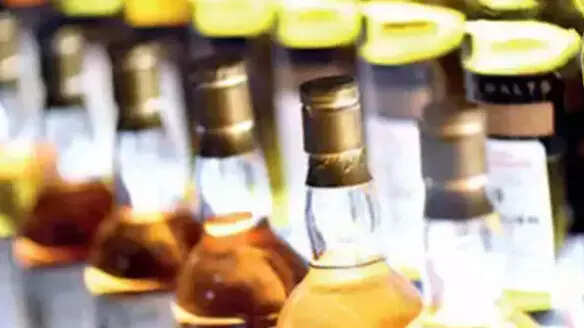
Tipplers in Delhi might be having a good time with the heavy discounts on liquor, but it is pinching the retailers a bit too hard. Some of the traders, who paid bid huge sums to get permits to open liquor stores in predefined zones created by the Delhi excise department, have surrendered their licences. Industry insiders said the big discounts offered on various brands led to huge financial losses, making business unviable.
According to excise officials, in nine of the 32 zones, the dealers have expressed their inability to continue business. As per the list of liquor vends shared on its website by the excise department, there are only 464 shops now left in Delhi. This has led to long queues at the remaining stores and a perennial shortage of stock.
Under the Delhi Excise Policy 2021-22, the state government gave licences to 849 shops. With the civic bodies resisting liquor shops coming up in non-conforming areas and opposition by the residents in some localities, only 639 shops opened till May. When the excise department recently extended the current excise policy for two months and asked the licence holders to deposit fees on a pro-rata basis, some simply decided it was time to fold up.
A liquor dealer said he had bid over Rs 250 crore to get the licence to open 27 shops in one zone, but couldn't get more than 15 going due to the opposition from residents in some areas and refusal by the municipal corporation to allow liquor trade in non-conforming areas. He said, "Some dealers, who are big players in the industry, offered heavy discounts at their shops because the wholesalers they procured from also gave them huge rebates. Since we are not as big, we do not get such rebate but are forced to match the discounts if we are to stay in business. This made business totally unviable to us."
The new excise policy divided the city into 32 predefined zones for equitable distribution of liquor vends across the city. The policy also made opening of two shops mandatory in each ward falling in non-conforming areas. Though the excise department allowed the licensees to shift from non-conforming to a regularised area within their zone in February, there weren't many takers.
"We could have earned more if allowed to operate in the non-conforming areas since there are no liquor shops there," shared a dealer. "But shifting to regularised areas within our zones meant competing with our own shops and, thus, facing losses."
Vinod Giri, director general, Confederation of Indian Alcoholic Beverage Companies, said given the number of shops the zonal licence holders were able to open and the losses they incurred made the business financially unviable at the current licence fee.
"In fact, opening 27 outlets in one zone is a huge task. It's a huge number and very few bidders can actually make such a big investment. We have requested the excise department to create zones with just nine shops, but they are yet to decide on this," said Giri.
Giri added that delayed roll out of the policy, opposition to the opening of liquor stores and a delayed decision by the government to allow shifting of shops from non-conforming to regularised areas, all contributed to the financial losses.
A Delhi government official agreed that the zonal licence holders were finding it financially difficult to sustain business and had discontinued. "We have taken cognisance and the changes in the excise policy may offer a solution," the official said.