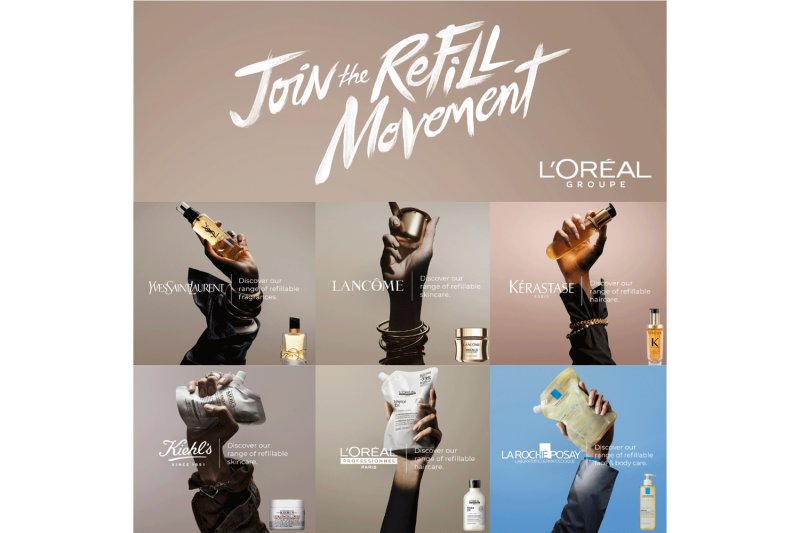
Ecosystem degradation, biodiversity loss, and climate change driven by carbon-intensive industries continue to threaten global environmental stability. In response, the beauty industry is pivoting toward circular business models—chief among them, refillable solutions—to minimize raw material extraction, eliminate waste, and significantly lower greenhouse gas emissions.
The impact of environmental stressors is written directly on our skin; airborne pollutants trigger oxidative stress, degrade collagen, and compromise the skin’s natural barrier every day. Simultaneously, the linear "take-make-dispose" model of traditional packaging contributes heavily to global emissions and waste. Producing single-use containers—whether extracting fossil fuels for virgin plastics, processing metals, or melting glass in energy-intensive furnaces—requires massive amounts of energy and resources. Transitioning to circular refill systems dramatically cut down on material use. This holistic design approach slashes packaging weight, optimizes transport logistics to reduce shipping emissions, and delivers a major, measurable reduction in the product's overall carbon footprint.
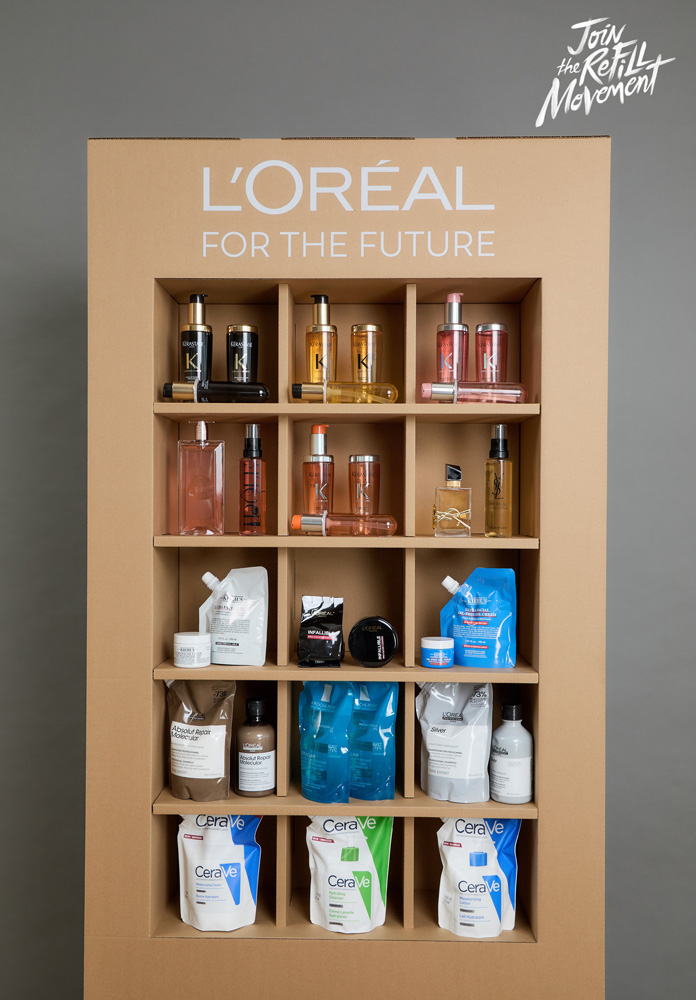
Among the world's leading beauty companies, L'Oréal Groupe has launched the third and most ambitious edition of its global #JoinTheRefillMovement campaign, encouraging consumers worldwide to embrace a more sustainable approach to beauty.
Providing consumers with cost-effective refill options across its brands for all categories, L'Oréal has expanded its refillable portfolio by 3.7 times between 2019 and 2025. The Group has also invested in dedicated refill manufacturing capabilities at Gauchy and Aulnay for fragrances, Burgos for haircare and Vichy for skincare. These investments are complemented by the Group's L'AcceleratOR programme, which supports start-ups and innovators developing next-generation packaging solutions, including seaweed-based packaging, sugarcane-derived bioplastics and recyclable paper bottles.
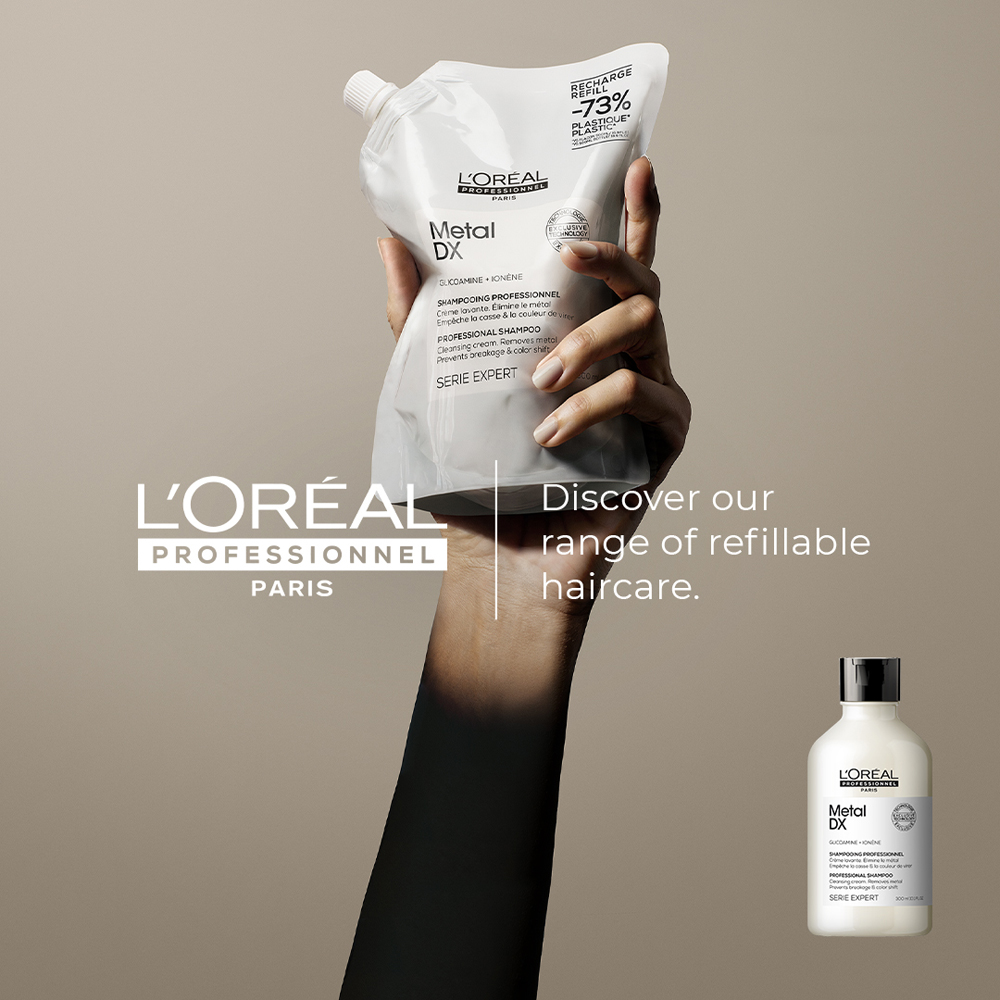

In Thailand, L'Oréal Groupe is bringing sustainable beauty closer to consumers through more than 50 refillable products across its four business divisions and 15 brands, making it easier than ever to switch to refillable versions of everyday beauty essentials.
The range includes skin barrier favourites from CeraVe, cleansing products from La Roche-Posay, iconic serums and creams from Lancôme and Kiehl's, as well as luxury fragrances from Yves Saint Laurent and Giorgio Armani. In collaboration with retail partners and digital platforms, L'Oréal is also rolling out awareness campaigns and promotional initiatives to encourage consumers to join the refill movement. Through these initiatives, the Group continues to advance its commitment to creating beauty that moves the world.
"As the global beauty leader, our responsibility is to turn circular solutions into an industry-wide reality," said Ezgi Barcenas, Chief Corporate Responsibility Officer at L'Oréal Groupe.
"Making refills the new norm requires a fundamental transformation across our entire value chain—from supply chains and product design to retailer partnerships and consumer engagement. Together with our L'AcceleratOR programme, we continue to identify, pilot and scale breakthrough technologies that will define the next generation of sustainable packaging."
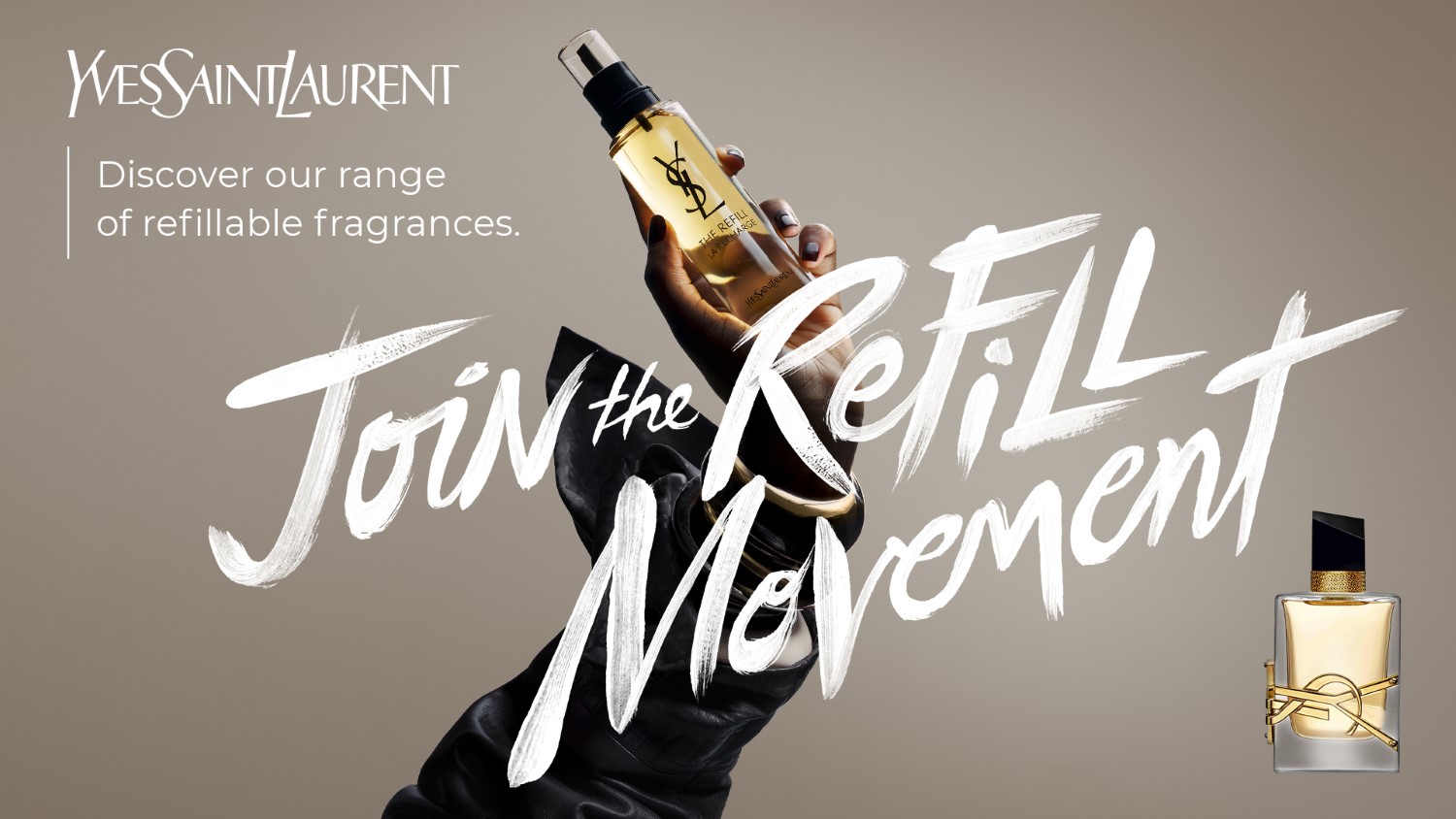
Each refillable product highlights the measurable environmental benefits consumers can achieve from their very first refill.
Purchasing a refill for Lancôme Absolue Longevity Soft Cream instead of a standard jar reduces the use of glass by 100%, metal by 95%, plastic by 42% and cardboard by 36%.
Buying one 100-millilitre refill of YSL Libre Eau de Parfum instead of two standard 50ml bottles cuts the use of metal by 100%, plastic by 59%, glass by 58% and cardboard by 42%.
Using a refill cartridge for Kérastase Elixir Ultime or Chronologiste Hair Oil eliminates the need for a new glass bottle and reduces plastic use by 58%.
Consumers no longer have to choose between luxury and sustainability. Refillable packaging preserves the premium design and experience of the original product while delivering better value for money and a lower environmental impact.