What would you do with a billion dollars? For most people, the question is so absurd as to be essentially meaningless. You could do it all. You could move into a mansion, eat only caviar, drink only champagne, hire a cadre of grovelling butlers and still have enough change left over to buy a respectable mid-size sports club. For a company like Amazon, however – or its multi-multibillionaire CEO, Jeff Bezos – a billion is a bit of a different proposition. That kind of money can buy you a wizard, a battalion of elves, and a few dozen hobbits.
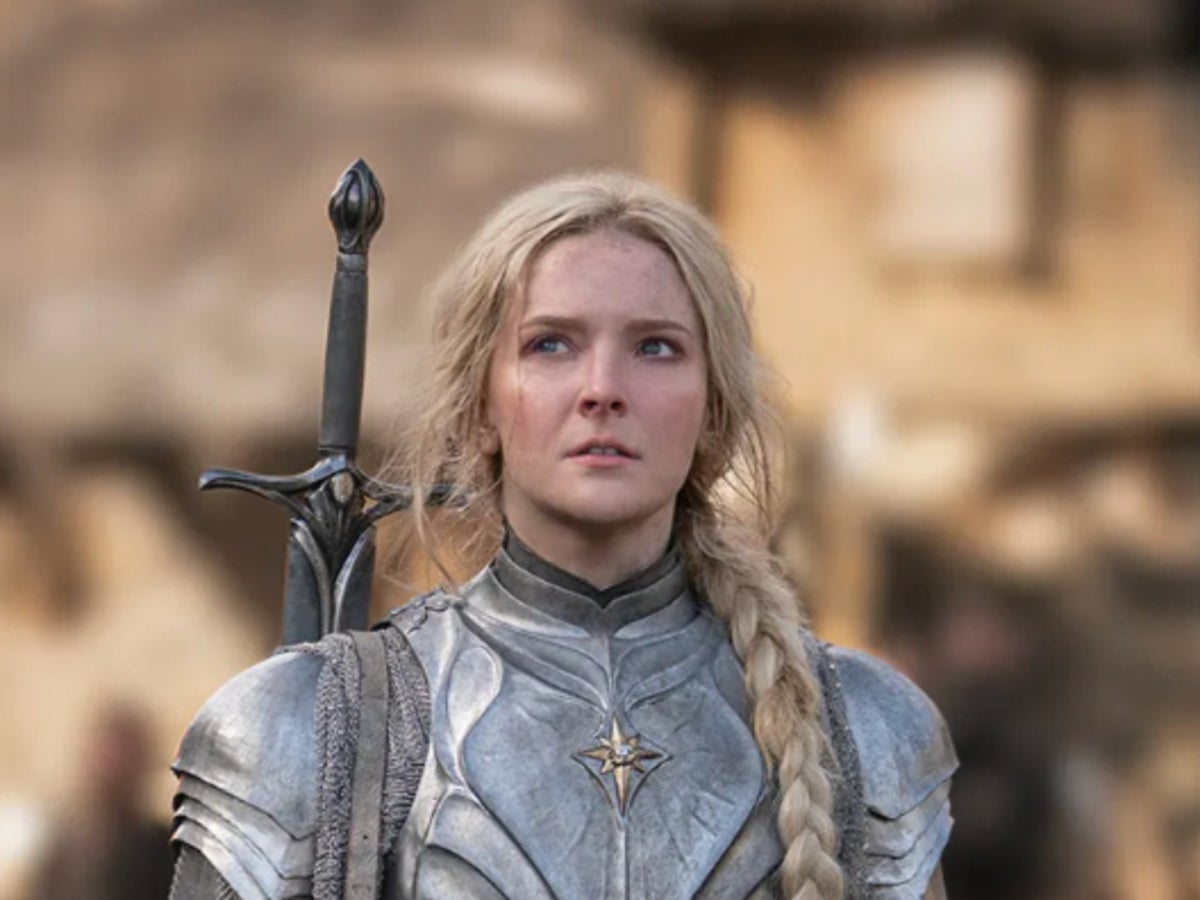
Back in November 2017, Amazon acquired the rights to adapt parts of Tolkein’s Lord of the Rings, for its proprietary streaming service, Prime Video, in a deal worth an eye-watering $250m (£176m). This week, The Lord of the Rings: The Rings of Power finally makes its debut. The series – set thousands of years before the events of Peter Jackson’s Lord of the Rings trilogy – is reported to be costing the streamer $1bn, making it the most expensive TV show of all time by some distance. On paper, if you’re going to spend big on any series, it’s about as sure a bet as you can make. The three original Lord of the Rings films brought in around $1bn apiece at the box office (2003’s Return of the King was the highest, with $1.146bn in takings). The same held true for the Hobbit films – despite faltering reviews and goodwill from audiences, people kept showing up. The Rings of Power, of course, has no box-office release to recoup its budget. It is a statement of intent, an extravagant Hail Mary designed to propel Amazon into the streaming big leagues. (Despite moderate hits such as The Boys and Reacher, Prime Video has languished behind Netflix when it comes to original content; Disney+ also rapidly surpassed it.) The money is very much there on the screen: in his four-star review for The Independent, Kevin EG Perry praised the series as a “spectacle-filled” epic that “promises to deliver an awfully big adventure”.