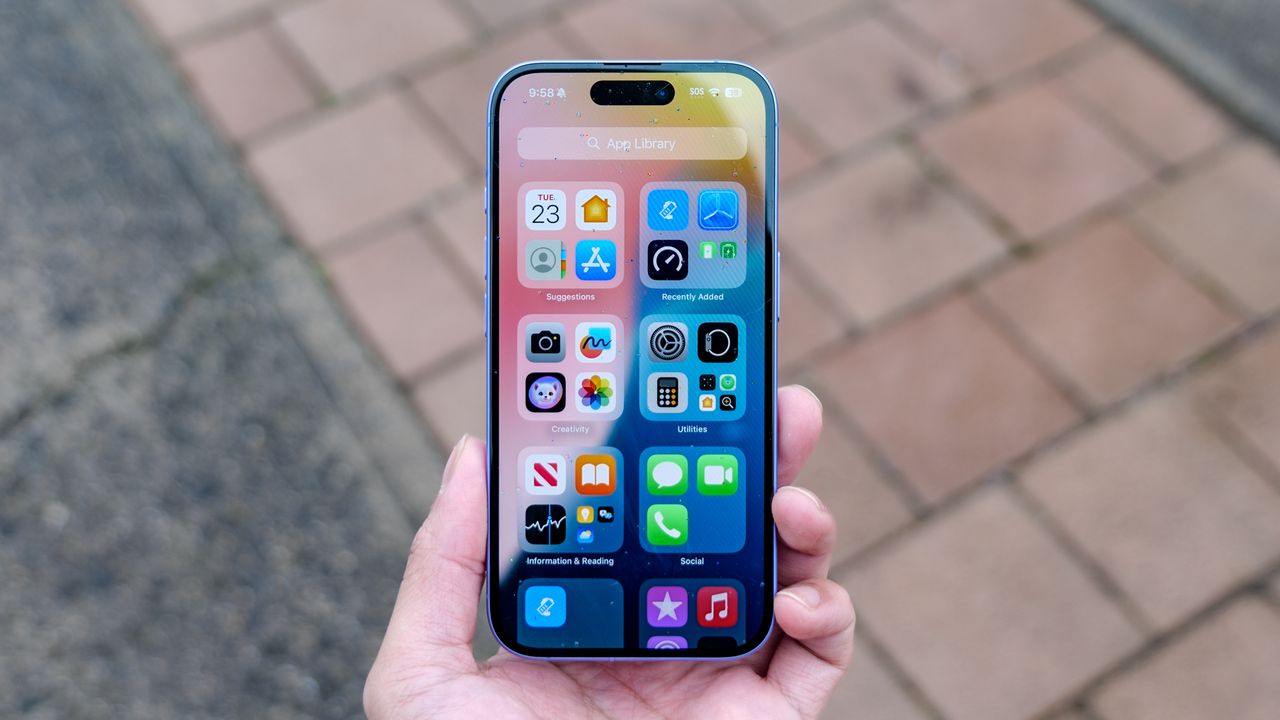
Liquid Glass may be one of the most controversial additions to iPhone software in recent years, but it sounds like it won't be going away anytime soon. Or at least that's according to Mark Gurman at Bloomberg, in the latest issue of his Power On newsletter.
That does make a lot of sense, regardless of how you actually feel about the Liquid Glass design. The new look was a major part of Apple's marketing for iOS 26, and without it, very little actually seemed to change compared to iOS 18.

It had been speculated that changes would happen, since Liquid Glass design lead Alan Dye left Apple for Meta and Steve Lemay took his place. But even with that, the prospect of Liquid Glass being scrapped in its entirety seemed very unlikely. It would be an unprecedented course change for Apple, which has a history of resisting u-turns for far longer than it should. Just look art how long butterfly keyboards stuck around.
As Gurman put it, "Liquid Glass took a lot of time to design, so it won't get overhauled overnight." Instead, we should expect to see "years of gradual improvements."
We've already seen some of those improvements, with iOS 26.1 adding the option to reduce the transparency of Liquid Glass menus and iOS 26.4 adding the ability to disable Liquid Glass highlights. Gurman notes that there may be at least one more option in the works: a systemwide slider to finetune the Liquid Glass effect.
Apparently, Apple had been working on this feature for iOS 26, but faced various engineering challenges implementing it beyond the clock on the lock screen. Apple may be able to get it working properly for iOS 27, and that could see users get better customizable options for things like app folders, home screen elements and navigation bars.
At the very least, there may be more options beyond the "clear" and "tinted" options currently available. Though we can't really predict what other measures Apple might implement going forward, or if it even plans to tone down the design by any considerable amount.