Get all your news in one place.
100's of premium titles.
One app.
Start reading
Medical Daily
Medical Daily
Elena Vega

Lightning Killed a Mother and Her Toddler in Their Own Florida Driveway as Deaths Reach Twelve

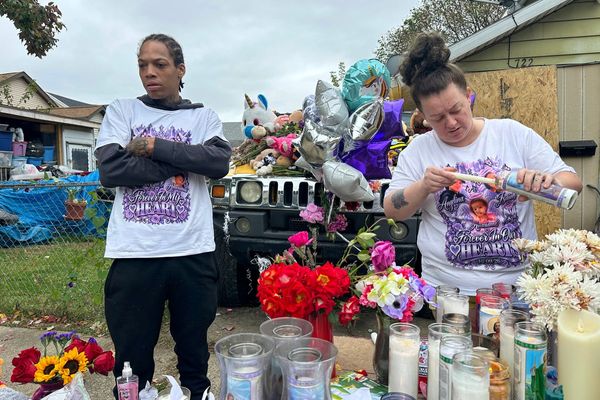
A 31-year-old mother and her 2-year-old daughter were killed by lightning Sunday afternoon in Margate, Florida, in the driveway of their own home.

Margate police and Margate Fire Rescue responded to a 911 call at about 2:30 p.m. reporting two people struck by lightning in the 7900 block of Northwest First Street, according to a department release. Officers and fire crews found the pair on the ground and began CPR. The woman, identified by police as Kenya Glasgow, was taken to North Broward Medical Center in Deerfield Beach and her daughter to Broward Health Medical Center in Fort Lauderdale. Both died shortly after arriving. The department said its investigation remains active and extended condolences to the family.

Witness accounts collected by local outlets describe how ordinary the moment was. A neighbor across the street said he heard a loud strike and saw an orange flash through his window before finding the two beside a parked car. The family later told a South Florida station that the mother and daughter had just stepped out of the vehicle, and that the woman's husband and the toddler's twin sister were only feet away. Family members identified the child as Kennedy Rose.

The deaths were the eleventh and twelfth U.S. lightning fatalities of the year, and the third and fourth in Florida, according to the National Lightning Safety Council tally reported by The Weather Channel. The National Weather Service posts the same council data on its own page, where the confirmed fatality table listed nine deaths through the end of July, before the Margate strike. The two counts are not in conflict. The published table lags the running tally while cases are reviewed.

The detail most relevant to other families is not dramatic. They were not on a golf course, a beach, or a lake. They were at a residential address on a suburban afternoon, steps from a door.


Proximity to Shelter Is Not Protection

Lightning safety guidance is built around one idea that is easy to state and easy to ignore: there is no safe place outdoors during a thunderstorm.

The National Weather Service defines safe shelter narrowly. It means a substantial, fully enclosed building with wiring and plumbing, or a hard-topped metal vehicle with the windows closed. Carports, open garages, patios, covered walkways, pavilions, dugouts, bus shelters and tents do not qualify. Neither does standing under a tree, which raises risk rather than lowering it.

The gap that catches people is the last-minute transition. A National Lightning Safety Council review of 492 lightning deaths over nineteen years found that many victims were headed to safety or only steps from it when they were struck. They simply did not start moving soon enough. Unloading a car, closing up a yard, or walking a child from a driveway to a front door are all short tasks that feel too brief to interrupt.

Lightning also reaches beyond the rain. Strikes can occur several miles from the heaviest precipitation, which is why the standard rule is based on sound rather than sight. If thunder can be heard, the storm is close enough to strike.


The National Picture Behind the Florida Number

Twelve deaths so far this year is broadly consistent with recent patterns. The National Weather Service says lightning strikes the United States about 25 million times a year and kills about 20 people annually, with hundreds more severely injured.

Those totals have fallen. The council's data show 40 U.S. lightning deaths in 2016 and 21 in 2025, against a ten-year average of about 20. Federal weather officials credit public education rather than any change in the weather.

Florida's four deaths lead the national count this year, which reflects geography more than carelessness. The state records more thunderstorm days than anywhere else in the continental United States, driven by sea breeze collisions on summer afternoons, and it has led the country in lightning deaths for decades.

Survival is the more common outcome, and it is not the end of the story. Roughly nine in ten people struck by lightning survive, but many live with lasting effects, including chronic pain, memory and concentration problems, sleep disruption and nerve damage, because the current passes through the nervous system.


Where and When Strikes Actually Happen

June, July and August account for more than 70 percent of U.S. lightning deaths, with July alone contributing nearly a third. Weekend days see slightly more deaths than weekdays.

Men account for about 80 percent of fatalities nationally, a pattern the council links to slower shelter-seeking rather than to any biological difference. Leisure activities are the largest category at 63 percent of deaths, and water-related activities such as fishing, boating and beach outings top that list. Work-related deaths account for 19 percent.

Routine daily activity around the home accounts for another 15 percent, and it is the category most likely to be underestimated, precisely because it happens where people feel safe. Within that group, walking to a vehicle, walking from one, or waiting beside one is the single largest subcategory. Yard work is close behind.


Steps Families Can Take This Week

The practical guidance is short. When thunder is heard, move everyone inside a substantial building or a hard-topped vehicle, and stay there for 30 minutes after the last rumble. The 30-minute rule exists because strikes commonly occur on the trailing edge of a storm, after rain has stopped and the sky has begun to clear.

Indoors, stay off corded phones, avoid contact with plumbing, including showers and sinks, and keep away from windows and doors. Unplugging sensitive electronics before a storm arrives is reasonable. Doing it during a storm is not.

Parents can make the rule concrete for children by naming a specific indoor spot and practicing going there, as families do with fire drills. Coaches, camp staff, and youth sports organizers should have a written plan with a defined trigger and a shelter that can be reached quickly.

If someone is struck, they carry no electrical charge and are safe to touch. Call 911, begin CPR if the person is unresponsive and not breathing normally, and use an automated external defibrillator if one is available. Cardiac arrest is the primary cause of death in lightning strikes, and immediate bystander resuscitation is the intervention that matters most.

Florida's storm season continues into the fall, and the National Weather Service issues local forecasts and alerts that families can check before outdoor plans. MedicalDaily will report updates to the national fatality count and any findings released by Margate police.


Key Questions Answered

What happened in Margate? Police say a 911 call came in at about 2:30 p.m. Sunday reporting two people struck by lightning on Northwest First Street. A 31-year-old mother and her 2-year-old daughter received CPR at the scene, were taken to separate hospitals, and died shortly after arrival.

How many lightning deaths have there been this year? The National Lightning Safety Council counted twelve nationally after the Margate strike, four of them in Florida. The National Weather Service table of confirmed deaths, which lags the running tally, listed nine through the end of July.

Can lightning strike when it is not raining? Yes. Strikes can occur several miles from the heaviest rain. The standard rule is that if thunder can be heard, the storm is close enough to be dangerous.

What counts as safe shelter? A substantial, fully enclosed building with wiring and plumbing, or a hard-topped vehicle with windows closed. Carports, patios, pavilions, tents, and trees do not qualify.

How long should people wait before going back outside? Thirty minutes after the last thunder is heard. Strikes frequently occur after rain has stopped.

Is it safe to touch someone who has been struck? Yes. People struck by lightning carry no electrical charge. Call 911, start CPR if they are unresponsive and not breathing normally, and use an AED if available.

Do most people struck by lightning die? No. Roughly nine in ten survive, though many are left with lasting neurological effects, including chronic pain, memory problems, and nerve damage.

Sign up to read this article
Read news from 100's of titles, curated specifically for you.
Already a member? Sign in here
Related Stories
Top stories on inkl right now
One subscription that gives you access to news from hundreds of sites
Already a member? Sign in here
Our Picks
Fourteen days free
Download the app
One app. One membership.
100+ trusted global sources.