
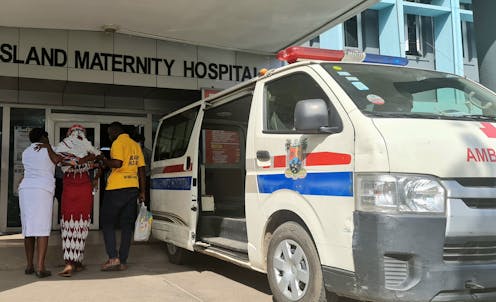
Every year around the world, 295,000 women die due to complications of pregnancy and childbirth. Seven in 10 of these maternal deaths occur in sub-Saharan Africa. These deaths are usually caused by excessive bleeding, infection, high blood pressure, obstructed labour and abortion. Many are preventable, especially when pregnant women can get prompt access to critical maternal health services, otherwise known as emergency obstetric care.
When complications arise, pregnant women need to travel to health facilities that can provide emergency obstetric care. Any delays in travelling to such health facilities affects pregnancy outcomes for them and their unborn child. However, some women need to travel long distances from outskirts of town to large hospitals or over a prolonged time due to traffic congestion in urban areas.















