Get all your news in one place.
100's of premium titles.
One app.
Start reading
The Economic Times
The Economic Times
Gandharv Walia

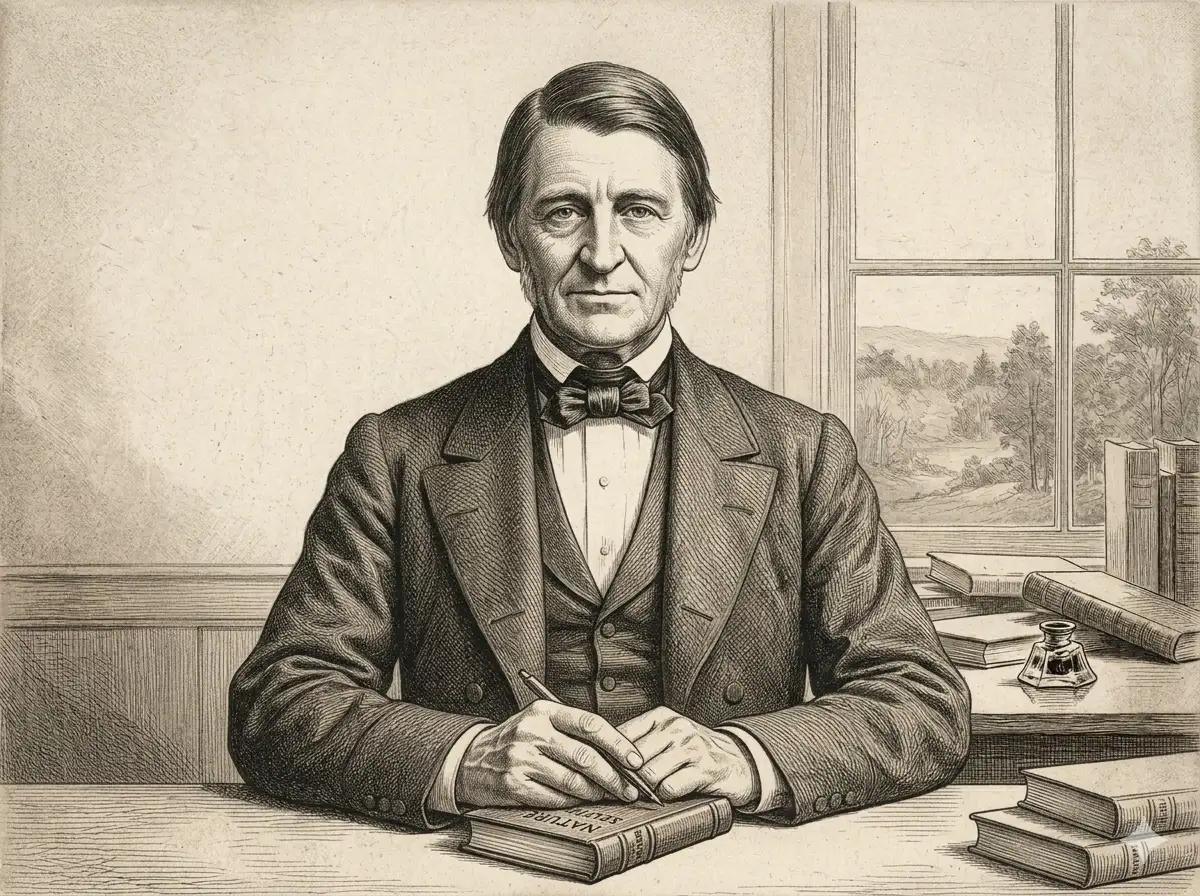
Life lesson of the day by Ralph Waldo Emerson: 'Finish each day and be done with it. You have...' Timeless learning on achievements, work culture, relentlessness, passion, acceptance, hard work and success by American lecturer, poet, and essayist who began New England Transcendentalism

Life lesson of the day highlights the enduring wisdom of Ralph Waldo Emerson, one of the most influential thinkers in American history. His famous quote, “Finish each day and be done with it. You have done what you could. Learn from it... tomorrow is a new day,” offers guidance on acceptance, achievements, hard work, work culture, passion and success. The quote was originally written in an 1854 letter to his daughter Ellen to help ease her anxiety about school. More than a century later, the message continues to help people deal with mistakes, setbacks and daily challenges while encouraging personal growth and self-reflection.

Understanding Emerson’s Message About Letting Go

Ralph Waldo Emerson advised people to stop carrying the weight of yesterday’s mistakes. His words encourage individuals to recognize that every day has limits. Once a day ends, people should accept what happened and focus on moving forward.

The quote states:

"Finish each day and be done with it. You have done what you could. Learn from it... tomorrow is a new day."

The message is not about ignoring mistakes. Instead, it teaches people to learn from them and avoid becoming trapped by regret. According to Emerson, replaying failures repeatedly only consumes energy that can be used for future opportunities. This lesson connects directly with achievements, hard work, work culture, passion and success because progress often requires accepting setbacks and continuing forward.

Why This Life Lesson Still Matters Today?

Modern life places pressure on people to perform well in studies, careers and personal responsibilities. Many individuals spend time worrying about errors, missed opportunities and decisions they wish they had handled differently.

Emerson's philosophy offers a practical solution. He believed that every person should acknowledge sincere effort. If a person has genuinely done their best with the knowledge, resources and energy available at that moment, they should accept the outcome and move on.

This approach helps reduce unnecessary stress and allows people to focus on improvement rather than self-criticism. Whether someone is pursuing career goals, educational achievements, business success or personal development, the lesson remains relevant because mistakes are part of every journey.

READ ALSO: Quote of the day by Elon Musk: 'The only rules are the ones dictated by the laws of...' Life lessons on success, work culture, hard work, struggle and human behavior by wealthiest person in the world

Life Lesson of the Day and the Importance of Radical Acceptance

One of the strongest messages in Emerson’s quote is the idea of radical acceptance.

Accept the Past

Emerson encouraged people to mentally close the chapter on each day. Constantly dwelling on mistakes does not change what happened. Instead, it drains energy and attention. Accepting the past means recognizing reality without trying to fight it. People can acknowledge mistakes, understand their causes and learn from them.

Recognize Your Effort

The phrase "You have done what you could" reminds people to be fair to themselves. Every decision is made with the information and resources available at that time. Looking back with greater knowledge often creates unfair judgments. Recognizing genuine effort helps build resilience and confidence.

Stop Replaying Mistakes

Emerson reportedly viewed excessive focus on past errors as a harmful habit. Learning from mistakes is valuable, but repeatedly reliving them provides little benefit. The lesson encourages people to take the learning and leave the regret behind.

READ ALSO: Quote of the day by Stephen Hawking: 'When the going gets tough, the tough...' Life lessons on hardships, success and human nature by popular English theoretical physicist

Embracing the Present and Looking Ahead

The second part of Emerson’s philosophy focuses on the present moment.

Tomorrow Is a New Day

Each new day offers another opportunity to act, improve and grow. People often believe that a mistake defines them permanently. Emerson rejected this idea. He believed every morning provides a fresh beginning. This perspective helps individuals stay motivated despite challenges.

Protect Your Energy

Emerson advised against carrying yesterday’s problems into today. Instead of focusing on past disappointments, people should direct attention toward current opportunities and responsibilities. Protecting emotional and mental energy allows greater focus on meaningful goals.

Focus on What Can Be Controlled

The past cannot be changed, but present actions can influence future outcomes. By concentrating on today's choices, people can make steady progress toward achievements and success.

READ ALSO: Quote of the day by Dwayne Johnson: 'Wake up determined. Go to...' Life lessons on success, hardships, achievement and struggle by American professional wrestler 'The Rock' and Hollywood actor

Who Was Ralph Waldo Emerson?

Ralph Waldo Emerson was born on May 25, 1803, in Boston and died on April 27, 1882, in Concord. He was an American lecturer, poet and essayist who became the leading voice of New England Transcendentalism. His work shaped American literature, philosophy and culture during the nineteenth century.

Emerson attended Harvard University and initially entered the Unitarian ministry. However, he later left the church after questioning traditional religious doctrines and pursued a career as a writer and lecturer. His travels in Europe exposed him to influential thinkers including Samuel Taylor Coleridge, William Wordsworth and Thomas Carlyle. After returning to America, he wrote Nature, a work that became central to Transcendentalist thought.

Emerson’s Influence on Self-Reliance and Human Potential

Emerson believed that every person possesses the ability to discover truth through inner reflection and intuition. He argued that individuals should trust themselves rather than depend entirely on external institutions for guidance.

His ideas promoted:

  • Self-reliance
  • Self-sufficiency
  • Personal responsibility
  • Moral development
  • Human freedom
  • Spiritual growth

These principles influenced generations of readers and helped shape discussions about individual potential and personal achievement.

READ ALSO: Quote of the day by Ogden Nash: 'Some tortures are physical and some are mental, but the one that is both is...' Life lessons on pain, peace, happiness, human nature and well being by American writer known for humorous poetry

Major Works and Legacy

Throughout his career, Emerson produced several influential works.

Some of his notable publications include:

  • Nature
  • Essays
  • Representative Men
  • The Conduct of Life
  • English Traits
  • Self-Reliance
  • The American Scholar

His teachings influenced thousands of people through lectures delivered between 1834 and the American Civil War. Emerson became one of the leading figures of the American Renaissance and helped introduce philosophical ideas from Europe to American audiences.

What Can We Learn From This Life Lesson?

The key lesson from Emerson’s quote is simple.

People should:

  • Accept the past.
  • Learn from mistakes.
  • Recognize sincere effort.
  • Stop dwelling on failures.
  • Focus on the present.
  • Protect their energy.
  • Begin each day with a fresh perspective.

These principles can support achievements, work culture, passion, hard work and success in everyday life. Emerson’s message reminds people that growth comes not from perfection but from the willingness to learn, adapt and continue moving forward.

Sign up to read this article
Read news from 100's of titles, curated specifically for you.
Already a member? Sign in here
Related Stories
Top stories on inkl right now
One subscription that gives you access to news from hundreds of sites
Already a member? Sign in here
Our Picks
Fourteen days free
Download the app
One app. One membership.
100+ trusted global sources.