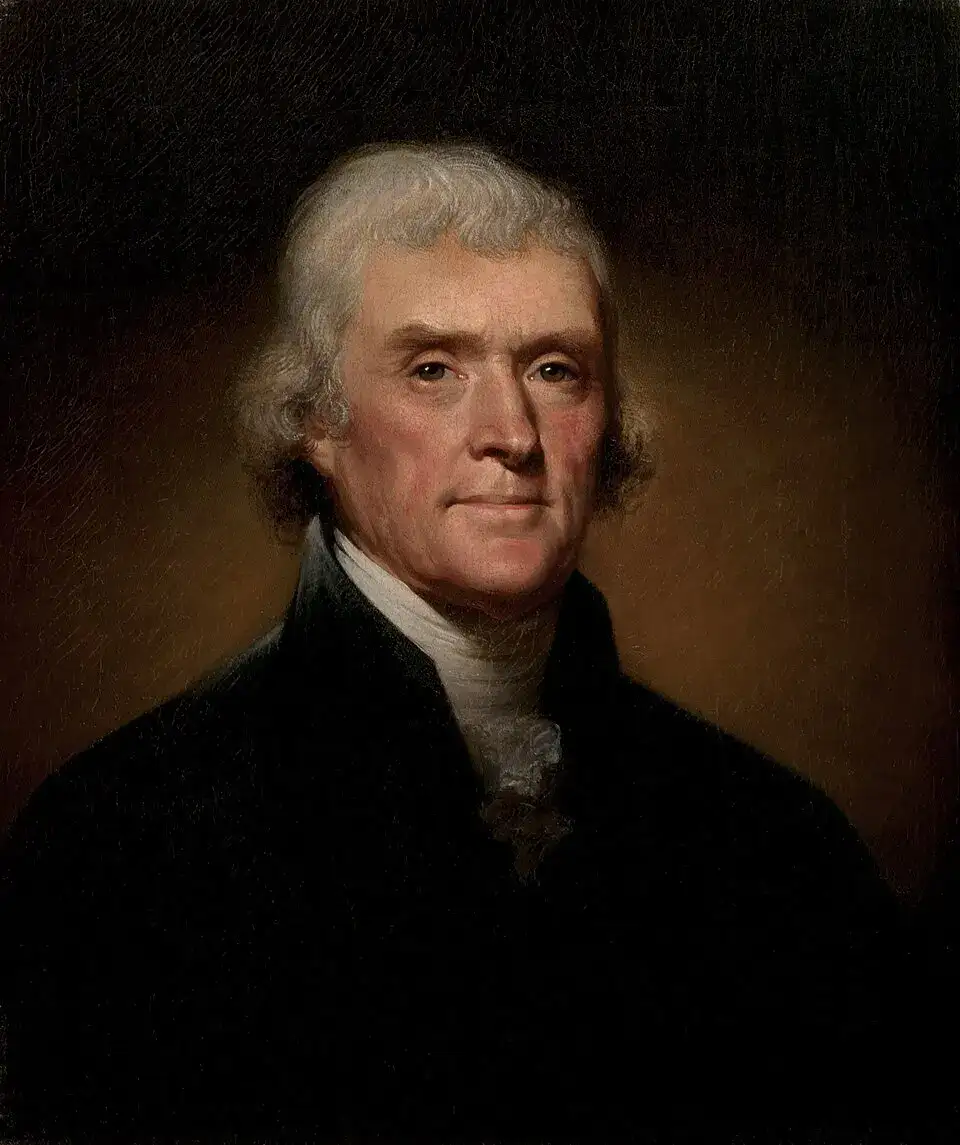
Success often looks like a sudden moment of fortune from the outside. People see the achievement, the recognition, or the final victory, but they rarely see the countless hours of effort that came before it. One of the most memorable reflections on this idea came from Thomas Jefferson.

Life Advice of the Day
“I find that the harder I work, the more luck I seem to have."- Thomas Jefferson.
The quote captures a simple but powerful truth: opportunity usually finds those who are prepared to meet it.
Thomas Jefferson, one of the most influential figures in American history, was not someone who relied on chance alone. He was a writer, thinker, statesman, architect, and lifelong learner whose achievements were built on discipline, curiosity, and relentless work.
Born in 1743 in Virginia, Jefferson became the principal writer of the Declaration of Independence and later served as the third president of the United States. His life was filled with remarkable accomplishments, including the Louisiana Purchase and the founding of the University of Virginia, as per Britannica.
But behind the famous achievements was a man known for his intense dedication to learning. From a young age, Jefferson developed habits that reflected his belief in constant improvement. During his time at the College of William & Mary, he reportedly spent long hours studying, reading, and developing his understanding of philosophy, science, politics, and law. His success was not created overnight. It came from years of preparation.
What does Thomas Jefferson’s advice teach us about success?
Jefferson’s words challenge the way many people think about luck. When someone succeeds, it is easy to assume they were simply in the right place at the right time. But Jefferson suggests that what appears to be luck is often the result of consistent effort.
A person who works hard develops skills, builds confidence, notices opportunities, and is ready when circumstances change. Someone who prepares for years may seem “lucky” when the right moment arrives — but that moment was created through dedication.
This idea applies far beyond politics or leadership. Whether in education, business, creativity, or personal growth, progress usually comes from small actions repeated over time.
The writer who practises every day becomes better. The athlete who trains consistently becomes stronger. The person who keeps learning becomes ready for new opportunities. Luck may open a door, but preparation determines whether someone can walk through it.
Why did Thomas Jefferson believe effort mattered so much?
Jefferson’s own life reflected this philosophy. He was known for his wide range of interests and refused to limit himself to one area. He studied law, designed buildings, collected books, experimented with agriculture, and explored ideas about government and individual rights.
His creation of the University of Virginia was another example of his belief that knowledge required dedication. He envisioned education as a foundation for independence and personal growth.
Even during retirement at Monticello, Jefferson maintained a demanding routine. He continued writing letters, managing his affairs, reading, and working on projects. His curiosity remained active throughout his life. For Jefferson, learning and effort were not temporary goals. They were lifelong commitments.
What does this life advice mean today?
In today’s world, where success is often measured by quick results and instant recognition, Jefferson’s quote feels especially relevant. Many achievements that appear effortless are actually built on years of unseen work.
People often wait for motivation or the perfect opportunity before taking action. Jefferson’s message suggests the opposite: action creates momentum.
Hard work does not guarantee that everything will go exactly as planned, but it increases the chances of growth, improvement, and success.
The quote also reminds us that preparation changes how we experience life. When opportunities appear, the prepared person recognizes them. The unprepared person may see the same opportunity but be unable to use it.
That is why hard work often feels like luck. Thomas Jefferson’s legacy remains complicated, with his ideals and personal actions continuing to be debated by historians. But this particular piece of advice has survived because it speaks to a universal human experience.
Success rarely arrives from nowhere. More often, it comes quietly — through patience, discipline, and the decision to keep going when nobody is watching. Thomas Jefferson’s words are less about luck and more about responsibility. The more effort we put into becoming better, the more chances we create for something good to happen. Sometimes, luck is simply hard work finally being noticed.