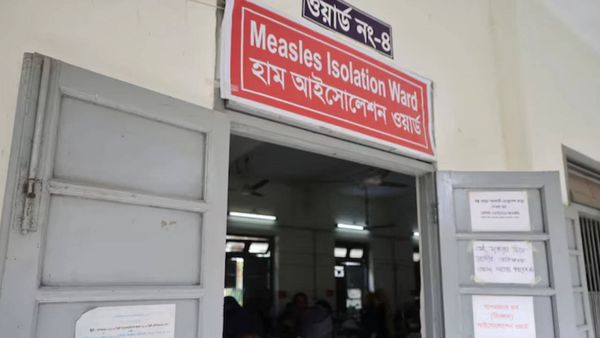
VISAKHAPATNAM: The quantum of hospitalisations has remained under 5% among the active Covid-19 patients in the ongoing third wave in Andhra Pradesh, corroborating with the worldwide trend. It was nearly 20% during the first and second waves.
Of the 36,108 active cases as of Tuesday, only about 1,500 patients have been admitted to various hospitals spread across the state.

For instance, when the active caseload touched the 2.1 lakh mark during the peak of the second wave on May 22, 2021, 21,058 patients required oxygen support. As many as 5,889 patients were admitted to ICU wards. Several hospitals ran out of their capacity and critical supplies like oxygen in cities like Visakhapatnam, Kakinada, Tirupati and Vijayawada. It was a herculean task for the patients or their relatives to find a bed with oxygen support, forget ventilator support, in the second quarter of 2021.
Even half of the 16,575 general wards were occupied by the patients, which stands as a testimony to the situation.
Similar was the situation during the first wave. The occupancy ratio was nearly 15% during the peak of the first wave in August 2020 when the active caseload crossed the one lakh mark.
Going by the current scenario, the hospitalisations may continue to remain in the same 5% range.
However, there are widespread concerns over the rapidly increasing daily caseload and positivity rate. If Andhra Pradesh would witness a three-fold increase in daily cases compared to the second wave, a similar number of patients may end up in ICU/oxygen wards. The silver lining this time is that the hospitals in Andhra Pradesh can supply oxygen to about 25,000 patients without any external oxygen supplies, thanks to the PSA oxygen plants installed across the state.
Covid-19 state nodal officer and director, Visakha Institute of Medical Sciences, Dr K Rambabu asked the public to be cautious.
“We should not take the new variant Omicron as a ‘milder’ one. When it comes to symptoms of the patients who contracted the disease in recent times, the majority of the patients are experiencing upper respiratory symptoms. No loss of taste or smell has been observed in this spell. We will get more clarity on the severity of the infections as we further progress into the third wave,” said Dr Rambabu.