
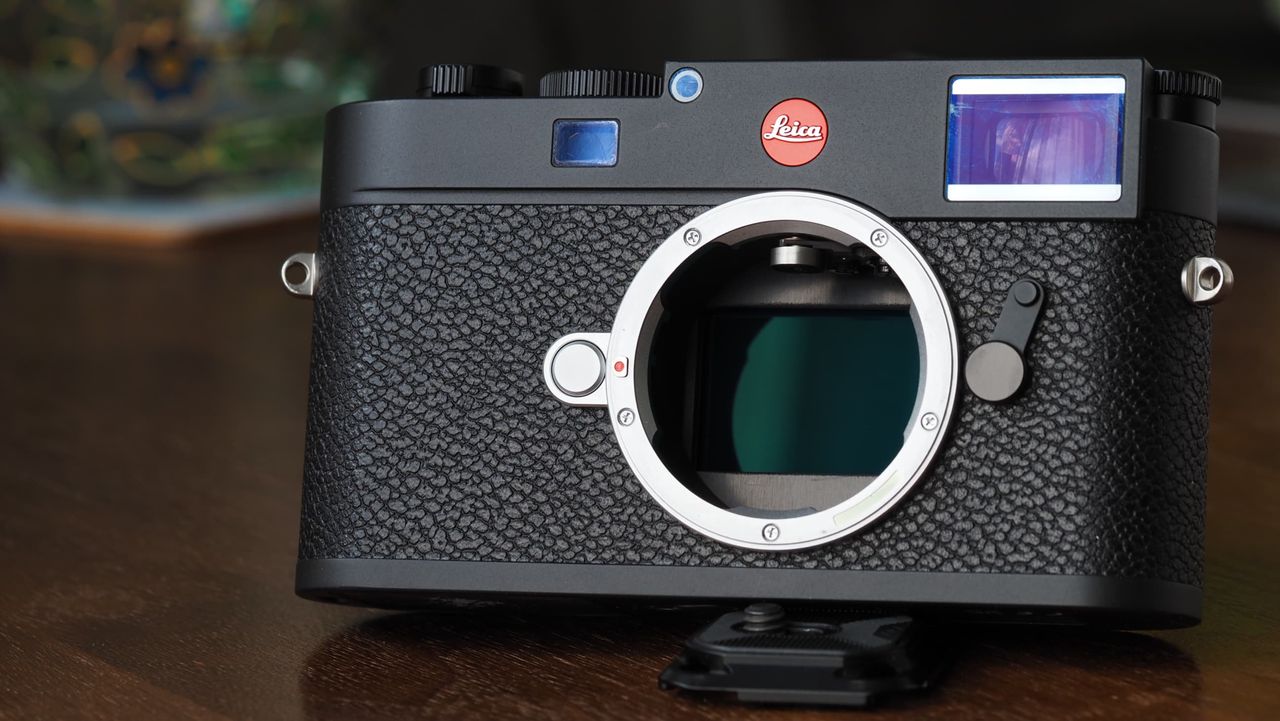
Leica has officially confirmed what many in the industry had been quietly wondering about for months: it is developing a next-generation image sensor in partnership with Gpixel.
The strategic collaboration between Leica Camera AG and the global CMOS sensor specialist signals a major shift for the storied German brand, which is once again pushing toward a more bespoke approach to the digital heart of its future cameras.

The news adds weight to comments made late last year by Dr. Andreas Kaufmann, chairman of Leica’s supervisory board and majority shareholder, when he revealed on the Leica Enthusiast Podcast that the company was developing its own image sensor again. That sparked plenty of speculation at the time, because while designing a sensor is one thing, actually bringing it to life at scale is another entirely. Now we know Leica is not going it alone, but instead teaming up with a specialist that has the engineering depth to help turn that ambition into something real.
That partner is Gpixel, a Chinese sensor maker with a growing global footprint and a strong reputation across medical, scientific, industrial, and professional imaging. It may not yet be a household name among everyday photographers, but it has the technical credentials to make this partnership genuinely interesting. Gpixel’s catalog includes everything from high-resolution backside-illuminated sensors to stacked designs and even full-frame global shutter chips, making it a serious player with the kind of expertise Leica clearly sees as valuable.
Importantly, Leica says this is not about dropping an existing Gpixel sensor into a future camera body and calling it innovation. Instead, both companies are working on a fully bespoke high-performance sensor tailored specifically for next-generation Leica cameras. Leica says the goal is to optimize image quality, dynamic range, color fidelity, low-light performance, noise control, and resolution to meet its own exacting standards, while the two firms will also work closely on tuning and eventual mass production.

In many ways, this feels like a natural next step for Leica. The company has never really been content with simply following the wider market, and its cameras have long been defined as much by their rendering and photographic character as by their specs sheets.
Dr. Kaufmann said he was “really happy and proud” that the long-term cooperation with Gpixel would result in “a true Leica sensor,” while Gpixel CEO Xinyang Wang described the collaboration as a chance to combine sensor-engineering strength with Leica’s legendary imaging heritage. That sort of language suggests both sides see this as more than a supply deal; it is a chance to shape something distinctive.
In a camera world where Sony and Canon dominate sensor conversations, Leica’s move is a fascinating one. There is still no timeline for when this new sensor will appear in an actual camera, and Leica is keeping the finer details firmly under wraps for now.
But if this partnership delivers what it promises, it could become one of the most significant sensor developments in years, not just for Leica, but for the wider photography industry as well. At the very least, it opens the door to a future Leica camera built around a sensor designed not for the mass market, but for Leica’s own uncompromising vision of image-making.
Check out the highest-resolution digital cameras you can buy today