
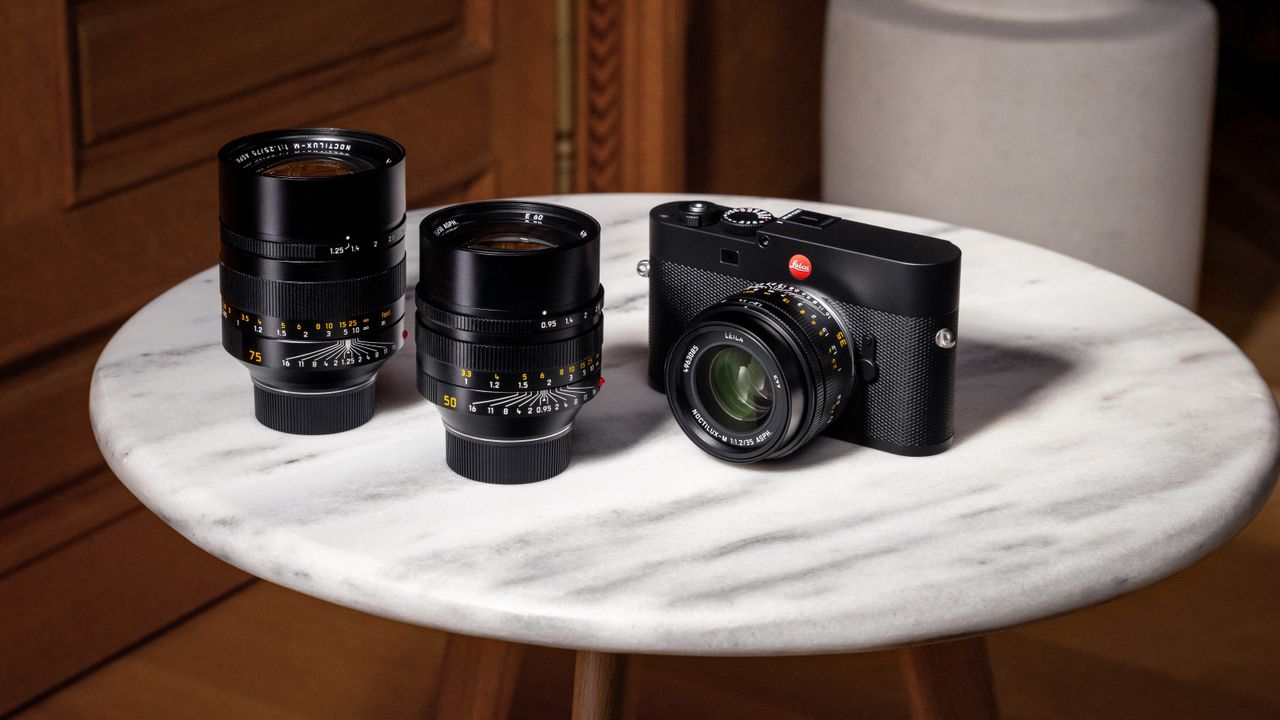
In a move that quietly reinforces its reputation for long-term commitment, Leica has rolled out a new firmware update that reaches nearly a decade into its digital M back catalog. The update allows cameras as far back as the Leica M10, first released in 2017, to fully support the newly announced Noctilux-M 35mm f/1.2 ASPH., ensuring seamless compatibility across generations.
At the heart of the update is automatic lens recognition via Leica’s six-bit lens mount coding. Once installed, the firmware enables supported M bodies to instantly identify the new Noctilux when mounted, applying the correct lens profile without any manual input. This means accurate EXIF data, optimized image corrections, and the same plug-and-play experience users expect from Leica’s latest cameras.

What makes this notable is just how broad the support is. From the original M10 through subsequent iterations and right up to the recently released M11-D, Leica is effectively collapsing the generational gap. Owners of nine-year-old digital Ms can mount Leica’s newest, most ambitious lens and shoot with full system integration, something rarely seen in the digital camera world.
The Noctilux-M 35mm f/1.2 ASPH. itself represents a significant optical statement, blending extreme speed with a classic focal length favored by reportage and street photographers. By ensuring that older bodies recognize the lens automatically, Leica avoids turning this flagship optic into an exclusive perk for only the newest hardware, keeping the M system feeling unified rather than fragmented.
This approach also underlines a broader philosophy that has long set Leica apart. While many manufacturers draw hard lines between product generations, Leica continues to treat its M system as a living ecosystem. Firmware updates like this extend the useful life of existing cameras and reward long-term users who have invested in the system over many years.

For M photographers, the message is clear. Buying into Leica is not just about today’s camera or lens, but about confidence that tomorrow’s releases won’t leave yesterday’s tools behind. In an era of rapid product cycles, Leica updating cameras from 2017 to support a brand-new Noctilux lens feels less like nostalgia and more like a deliberate, modern statement of intent.