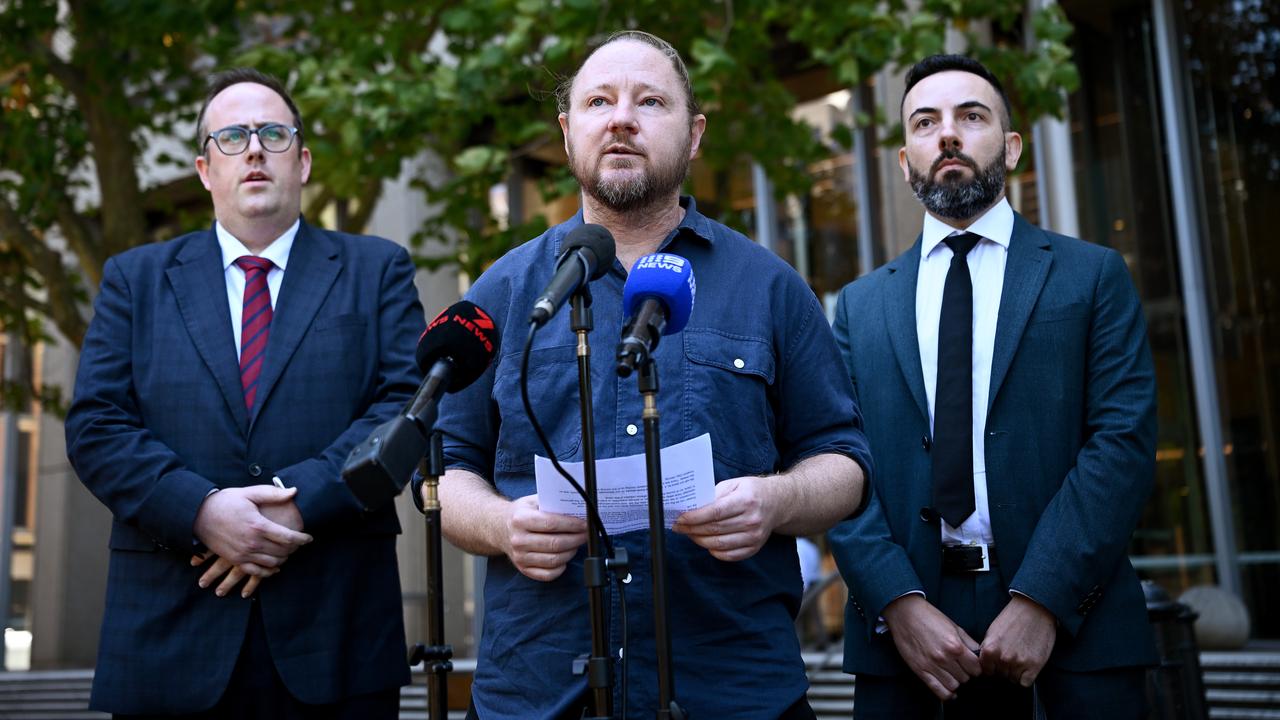
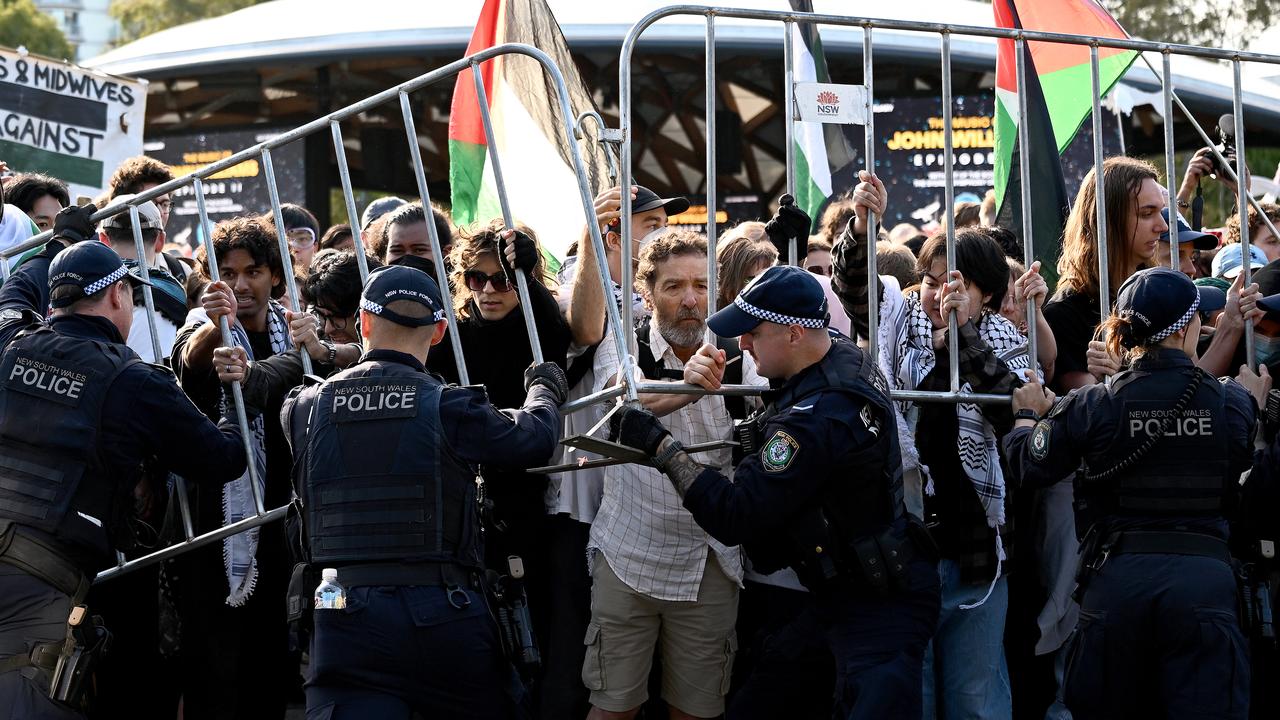
A coalition of activists are vowing to continue to march and organise rallies in defiance of a controversial ban on protests which they claim is unconstitutional.
NSW Police were given the power to refuse to authorise protests in key Sydney areas after 15 innocent people were killed during a terrorist attack at Bondi Beach in December.
The declarations can be made fortnightly over up to three months after a declared terror event.
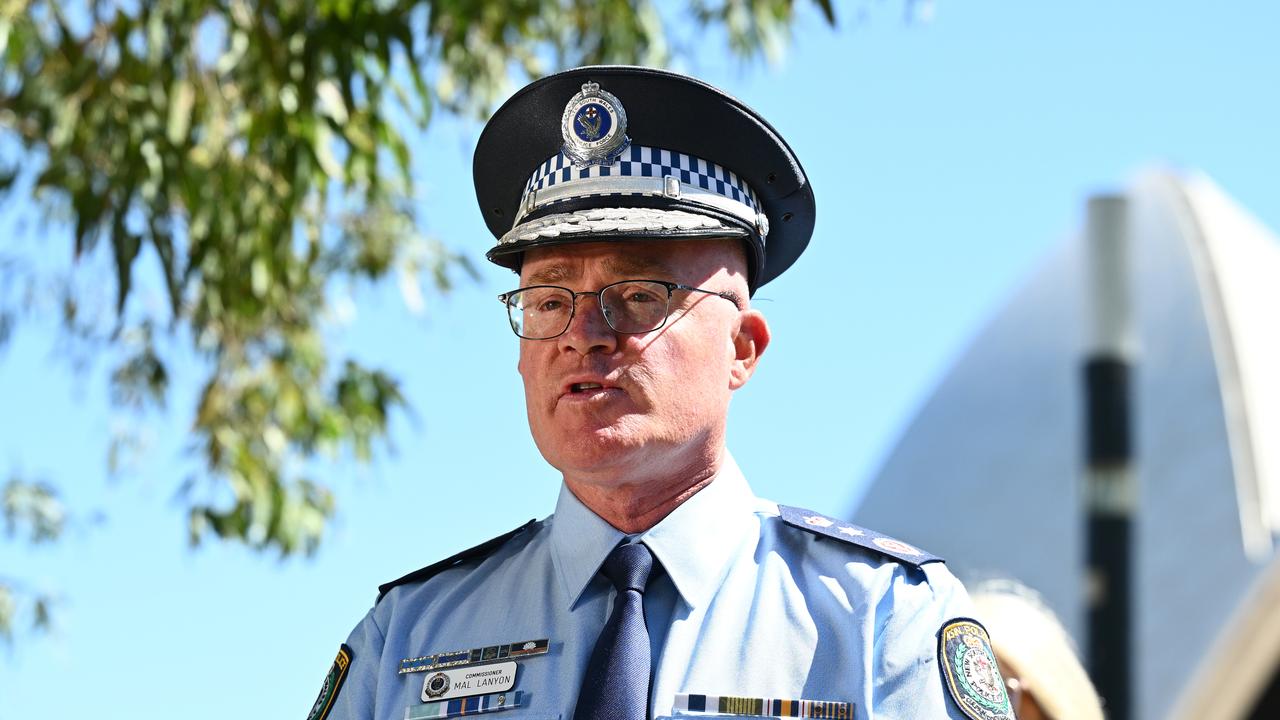
NSW Police Commissioner Mal Lanyon deployed a ban almost immediately before extending it for a further fortnight on Tuesday, citing heightened tension in the community.
But a coalition of activist groups claim the law behind the ban is unconstitutional because it impermissibly burdens the implied freedom of speech.
Blak Caucus, Palestine Action Group and Jews Against the Occupation '48 filed a legal challenge in the NSW Supreme Court, which was first aired on Thursday.
There was no evidence for the "preposterous claims" a blanket ban on protests made anyone safer, Palestine Action Group spokesman Josh Lees said.
"We will not stand for this. We will fight this in the courts … and we will continue to fight it on the streets," he said outside the law building.
"We will defy these laws".
There are at least four protests planned in January, including a rally against Indigenous deaths in custody on the 10th anniversary of the death of David Dungay Jr and the annual Invasion Day march on January 26.
A mass protest is also coalescing for the contentious visit of Israeli president Isaac Herzog.
"We urge everyone to continue to come out to the streets in huge numbers in the coming weeks, because that's going to be the only way that we can defend our democratic rights," Mr Lees said.
The barrister for the activist groups, Hilbert Chiu SC, told the NSW Supreme Court there was "some urgency" for a resolution because of the upcoming protests.
Justice Julia Lonergan said she was mindful of the dates but it would be speculative to look beyond the end of the current declaration on January 20.
She raised issues with the timetable jointly proposed by the groups and the government, noting it didn't allow time for other Australian states and territories to respond to the notice of a constitutional matter.
"There's no opportunity for people seeking to intervene to appear and, given the subject matter in these proceedings, there may well be interveners who wish to be involved," Justice Lonergan said.
But the more significant issue was whether the court fight should be heard before the Court of Appeal to provide a more definitive position and avoid the possibility of a later appeal.
The issue will be ventilated in a hearing on January 29, days after the latest ban expires.
When asked about the legal challenge in December, NSW Premier Chris Minns said he was "alive to the threat".
"We're confident these laws will withstand a constitutional challenge," he said at the time.
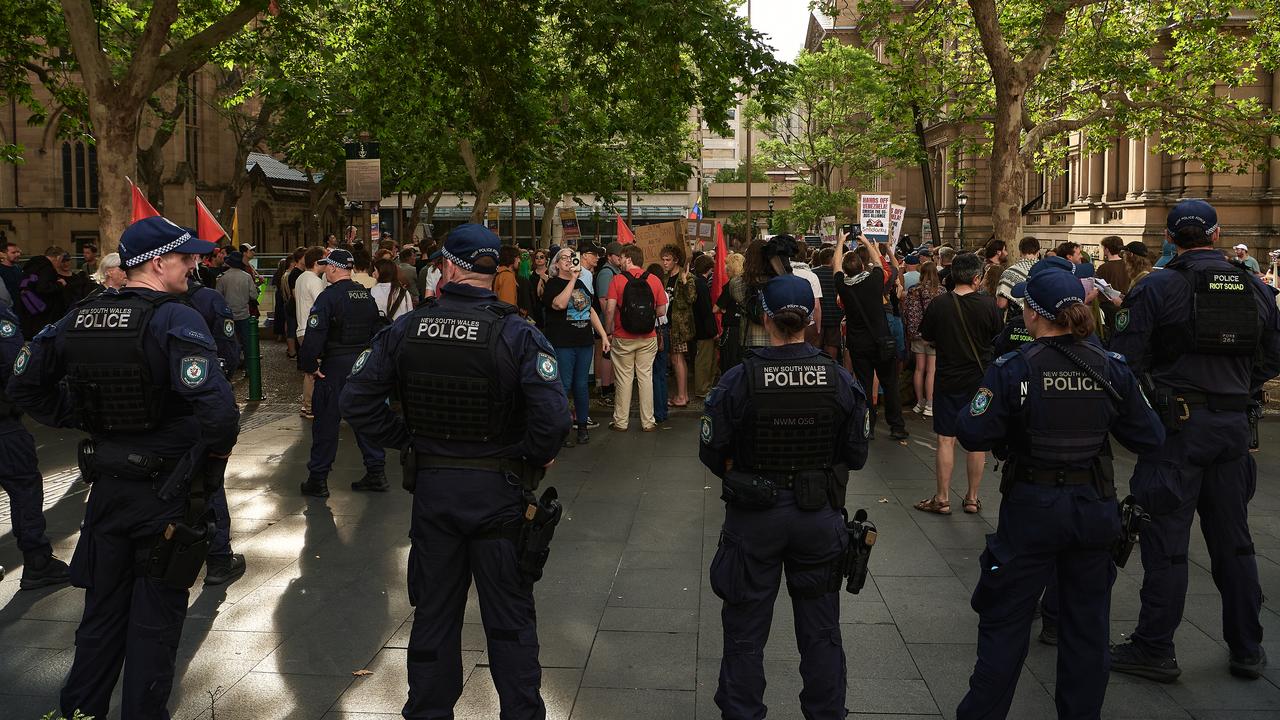
While some unauthorised rallies - including a march condemning US strikes on Venezuela - have taken place despite the ban, it leaves participants vulnerable to arrest for obstructing traffic or pedestrians.
Police can issue move-on directions to protesters even when they are participating in a static gathering, which critics say has a chilling effect.
When he announced the extension of the restriction on Tuesday, Mr Lanyon said public assemblies could cause fear and public safety issues during a period of heightened anxiety.
"This is not about stopping free speech," he said.
"It's about saying: this is not a time for protest, this is not about time for taking action, it's about the community seeking peace."