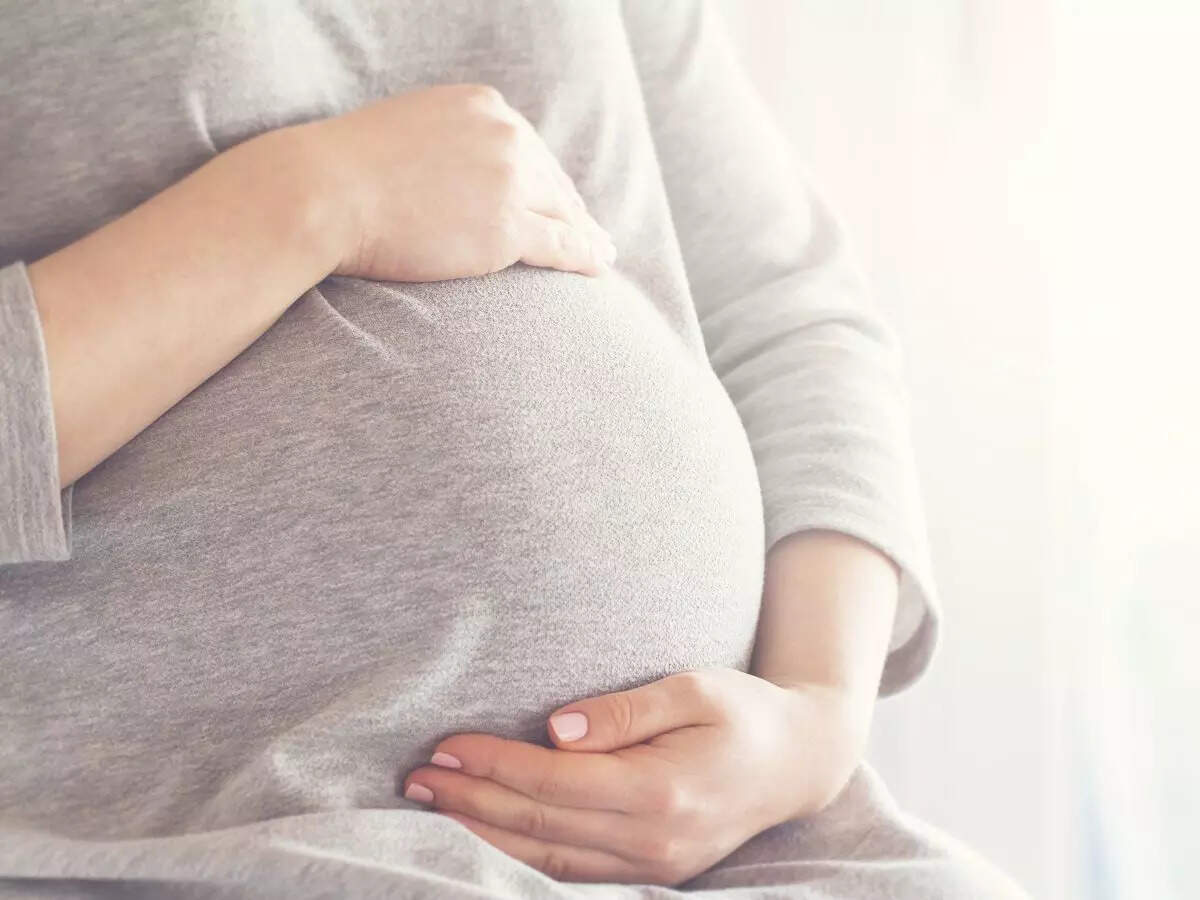
Obesity is a growing public health concern, and its impact extends to pregnancy. Women who are obese are at an increased risk of both maternal and fetal complications during pregnancy. It can pose significant risks and considerations for both the mother and the baby.
Obese women are at a higher risk of developing gestational diabetes, which can lead to complications during pregnancy and birth. Additionally, obesity increases the risk of developing hypertension during pregnancy, which can lead to preeclampsia—a serious condition that can be life-threatening for both the mother and the baby.

Women who are obese are more likely to require a cesarean delivery due to complications during labour and delivery. Furthermore, obesity increases the risk of blood clots, which can be dangerous during pregnancy and childbirth. Obese women may have difficulties during labor and delivery, including prolonged labor, difficulty monitoring the baby's heart rate, and an increased risk of needing interventions such as forceps or vacuum-assisted delivery. They may be at an increased risk of postpartum complications, including infections, wound healing problems, and postpartum depression.
Babies born to obese mothers are at a higher risk of being born large for gestational age (macrosomia), which can increase the likelihood of birth injuries and complications during delivery. They are also at a higher risk of developing obesity and related health problems later in life.
If you are obese and planning to become pregnant, consulting with a healthcare professional beforehand is crucial. They can help you develop a plan for managing your weight and optimizing your health before pregnancy. Maintaining a healthy diet and regular exercise throughout pregnancy is essential for both mother and baby's well-being. However, it's important to consult with a healthcare professional before starting any new exercise program during pregnancy.
(Dr Garima Sawhney, Gynaecologist and Co-founder, Pristyn Care)