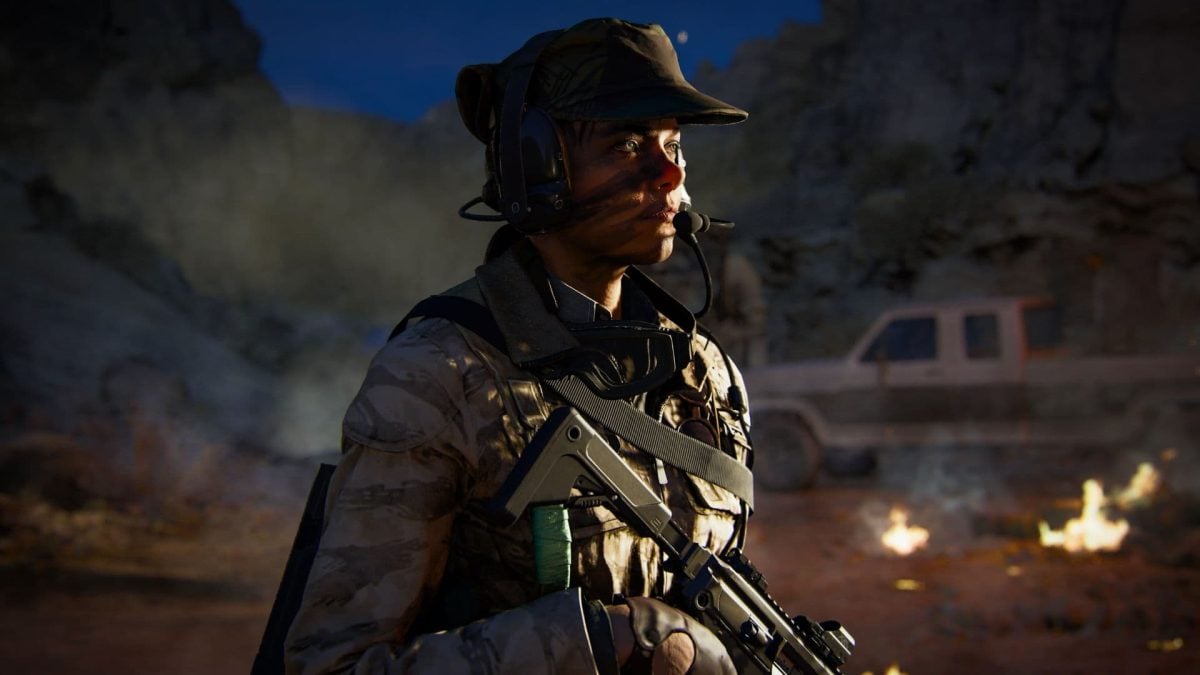
According to a new leak, Activision is actively preparing their blockbuster shooter franchise, Call of Duty, for a Nintendo Switch 2 release after a code was spotted in CoD‘s backend systems.
RealityUK, a notable CoD leaker, posted the code on X (formerly Twitter). The evidence comes from configuration code that explicitly lists Nintendo among the game’s target platforms.
Under the platform family system, Nintendo is highlighted and assigned a specific value, suggesting that it’s an active development priority. This discovery aligns with what industry sources have been saying for months, that a potential Nintendo x Call of Duty partnership is coming.
Windows Central editor Jez Corden has reported that CoD is set to arrive on the Switch 2 later this year, and previously said in a reply on X that the release is expected within the next few months.
It’ll be huge if it happens, and the gaming world may be on the verge of a major crossover. Call of Duty has been available on PlayStation, Xbox, and PC for over two decades.
Bringing the franchise to Nintendo’s hardware would mark a watershed moment for the publisher. It also fulfills commitments Microsoft made to regulators during the Activision acquisition, demonstrating that the company would expand multiplatform support post-takeover.
What would CoD’s launch on Switch 2 mean from a business standpoint
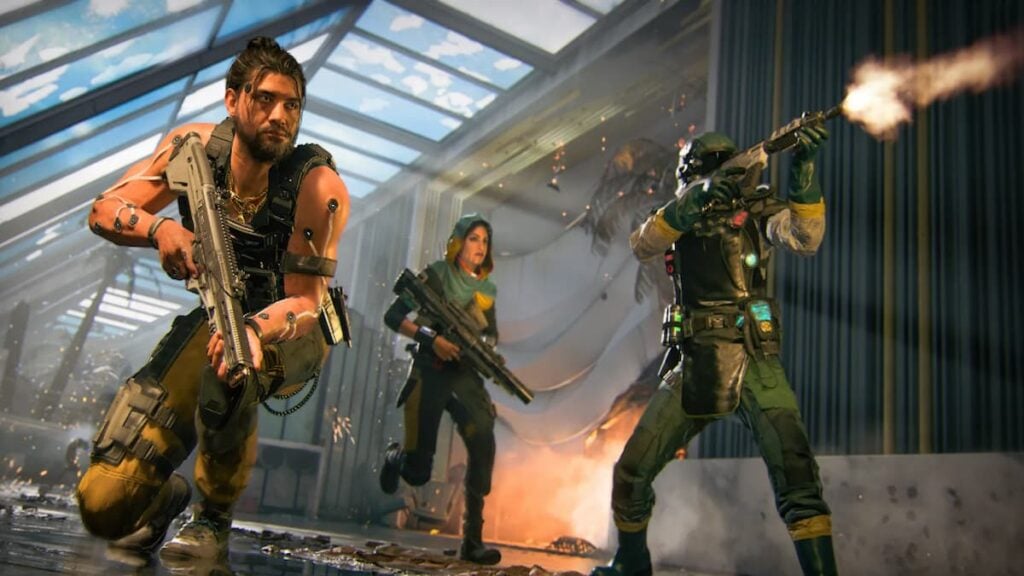
From a business standpoint, this makes sense. Nintendo players have been waiting for a proper modern shooter on their platform for years. Call of Duty, a popular title among esports betting platforms, brings name recognition, multiplayer depth, and the kind of technical showcase that gets people interested in new hardware. For Activision, it opens an entirely new and large untapped market.
It’s still unclear what version of CoD will land on Switch 2, if the leak turns out to be true. It could either be the rumored latest Modern Warfare entry or a specially optimized title built for Nintendo’s hardware.
Performance considerations will likely play a role. The Switch 2 is more powerful than its predecessor, but it still won’t match PS5 or Xbox Series X capabilities. Developers typically make smart tradeoffs to keep gameplay intact while running on less powerful systems.
The bigger picture here is about ecosystem expansion. Microsoft has been aggressively pushing its games beyond traditional Xbox boundaries. Putting Call of Duty on Nintendo furthers this strategy, similar to how Call of Duty: Ghosts was released on Nintendo Wii U in 2013.