Get all your news in one place.
100's of premium titles.
One app.
Start reading
The Conversation
The Conversation
Environment
Irene Gregory-Eaves, Professor, Biology, McGill University

Lake beds are rich environmental records — studying them reveals much about a place’s history

It's important to study how climate change and human activity affects our lakes. (Shutterstock)

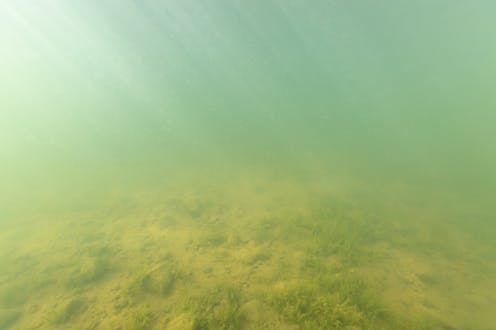
Canada has more lakes than any other country in the world, with a huge diversity of lake sizes, depths, shapes, water chemistries, underlying geologies and hydrologies (the waters that flow in and out of them). Sediments accumulate on lake floors which, at the offshore and undisturbed depths, act as archival records.

Paleolimnology is the study of lake sediments to identify changes in climate and human activity.
Sign up to read this article
Read news from 100's of titles, curated specifically for you.
Already a member? Sign in here
Related Stories
Top stories on inkl right now
One subscription that gives you access to news from hundreds of sites
Already a member? Sign in here
Our Picks
Fourteen days free
Download the app
One app. One membership.
100+ trusted global sources.