Get all your news in one place.
100’s of premium titles.
One app.
Start reading
The Guardian - UK
The Guardian - UK
Politics

Labour has ignored the ‘squeezed middle’ to its peril

UK 20 pound note cracking up
‘Tens of millions of UK residents are facing insecurity in one or or more important parts of their lives.’ Photograph: incamerastock/Alamy

John Harris’s stimulating article on the “squeezed middle” missed one area of concern for those of us trapped in it (The ‘squeezed middle’ is back – and this time it could be Labour’s undoing, 30 November). We knew that even if we’d paid our cheap mortgages off (lucky us), we would either have to downsize or have taken out our own pensions. We knew the state pension would never be enough.

So we did. And if we were lucky, it covered the cracks. Except that when we retired, we were taxed again on our pensions, having already been taxed on the funds we used to take them out in the first place.
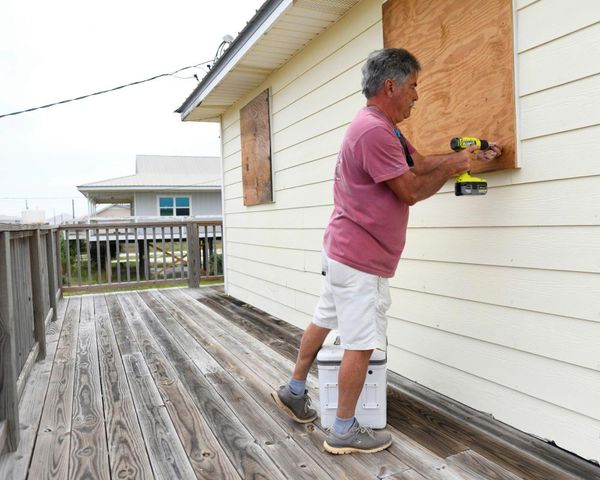
My local NHS has a five- to eight-week waiting list to be told whether I am on its lists, but I will wait another four to eight weeks for the date of the appointment, which maybe a further eight weeks after that. If you have heart disease, which I have, you are grateful to be able to go private.

We cannot afford an ageing population and an ageing ill population. I would happily pay the NHS to look after me. I would have liked to have had the option, when I had retired, of being able to pay for an updated NHS insurance stamp for my health.

Our population is increasing and so are the numbers retiring. It would have been more helpful if the chancellor had addressed these huge issues rather than put together her piecemeal budget.
Derek Wyatt
Labour MP for Sittingbourne and Sheppey, 1997-2010

• John Harris evocatively described “uncertainty eating into lives”. My research shows that tens of millions of UK residents are facing insecurity in one or more important parts of their lives. In 2023, 5.2 million UK adults were financially insecure and also had insecure housing and insecure health. Rates of multiple insecurity are higher now than immediately after the global financial crisis. People experiencing multiple insecurities have double the average rate of sleep problems, strain and loneliness. Sustained insecurity doesn’t just mean millions of sleepless nights. Just as years of austerity have eroded the capacity of organisations, insecurity will erode people’s ability to plan, to trust, to care for one another and to empathise.
Rebecca Tunstall
Professor emerita of housing policy, University of York

Sign up to read this article
Read news from 100’s of titles, curated specifically for you.
Already a member? Sign in here
Related Stories
Top stories on inkl right now
One subscription that gives you access to news from hundreds of sites
Already a member? Sign in here
Our Picks
Fourteen days free
Download the app
One app. One membership.
100+ trusted global sources.