
Get all your news in one place.
100's of premium titles.
One app.
Start reading
Bangkok Post
Bangkok Post
Business

KKP sees 2% current account deficit in Q2

Thailand's current account is expected to register a deficit of around 2% of GDP in the second quarter before rebounding later in the year as global oil prices decline, according to Kiatnakin Phatra Financial Group (KKP).

KKP chief economist Pipat Luengnaruemitchai noted that a current account deficit of 2% of GDP is not yet considered a cause for concern, adding that concerns would arise only if the deficit widened to 4-5% of GDP. However, he said Thailand is not expected to experience a deterioration of that magnitude.
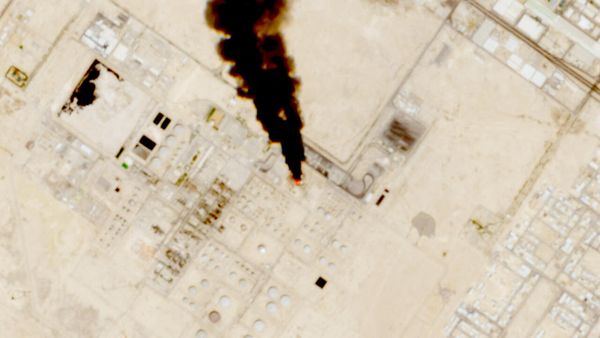
"Following its decline to around 2% of GDP, we forecast that the deficit will gradually narrow and improve to a small deficit or roughly break even by the end of the year, in line with lower oil prices," he said.

According to Mr Pipat, although Thailand's current account is expected to remain in deficit for a short period, this is primarily due to oil imports. Excluding the impact of oil imports, Thailand's current account balance is still expected to remain in surplus, albeit at a narrower level for the period ahead.

Looking ahead, KKP expects surpluses across several components of Thailand's balance of payments to decline, particularly in the current account, trade balance and services balance, as a result of structural changes in the economy.

Given the turning point in Thailand's economic structure, surpluses across various components of the current account are expected to narrow. Under this scenario, the country's economic stability could be adversely affected.

Under such circumstances, policymakers should place greater emphasis on maintaining economic stability through both fiscal and monetary policies while strengthening the country's competitiveness. Although a weaker baht could help improve competitiveness to some extent, authorities should also focus on ensuring long-term exchange rate stability.

Mr Pipat said Thailand's current account surplus in previous years had supported the baht's appreciation against the US dollar. As current account surpluses become narrower, the baht is no longer expected to maintain a sustained appreciating trend against the dollar.

"If exchange rate volatility increases, it could also affect foreign direct investment [FDI] confidence," he said.

FDI inflows have continued to increase over the past few years, driven largely by investments in digital technology-related industries, including data centres, artificial intelligence (AI) and cloud services. However, these investments also involve a high proportion of imported content, which has partially contributed to trade account deficits.

Mr Pipat noted that Thailand's current account balance has been supported by a surplus in the services account, mainly driven by tourism revenue following the pandemic.

Although foreign tourist arrivals have returned to nearly pre-pandemic levels, services account surpluses have not increased in line with the recovery in tourism. This is partly due to the growing digital deficit.

"Compared with other countries, Thailand's expenditure on intellectual property is likely one of the highest in Southeast Asia, resulting from payments to foreign digital platforms and services, including streaming subscriptions, cloud services, AI tools, and online advertising," he said.

Sign up to read this article
Read news from 100's of titles, curated specifically for you.
Already a member? Sign in here
Related Stories
Top stories on inkl right now
One subscription that gives you access to news from hundreds of sites
Already a member? Sign in here
Our Picks
Fourteen days free
Download the app
One app. One membership.
100+ trusted global sources.