
Get all your news in one place.
100's of premium titles.
One app.
Start reading
Homes & Gardens
Homes & Gardens
Linda Clayton

Kitchen Sink Ideas – All The Inspiration You Need for Modern, Farmhouse and Classic Spaces

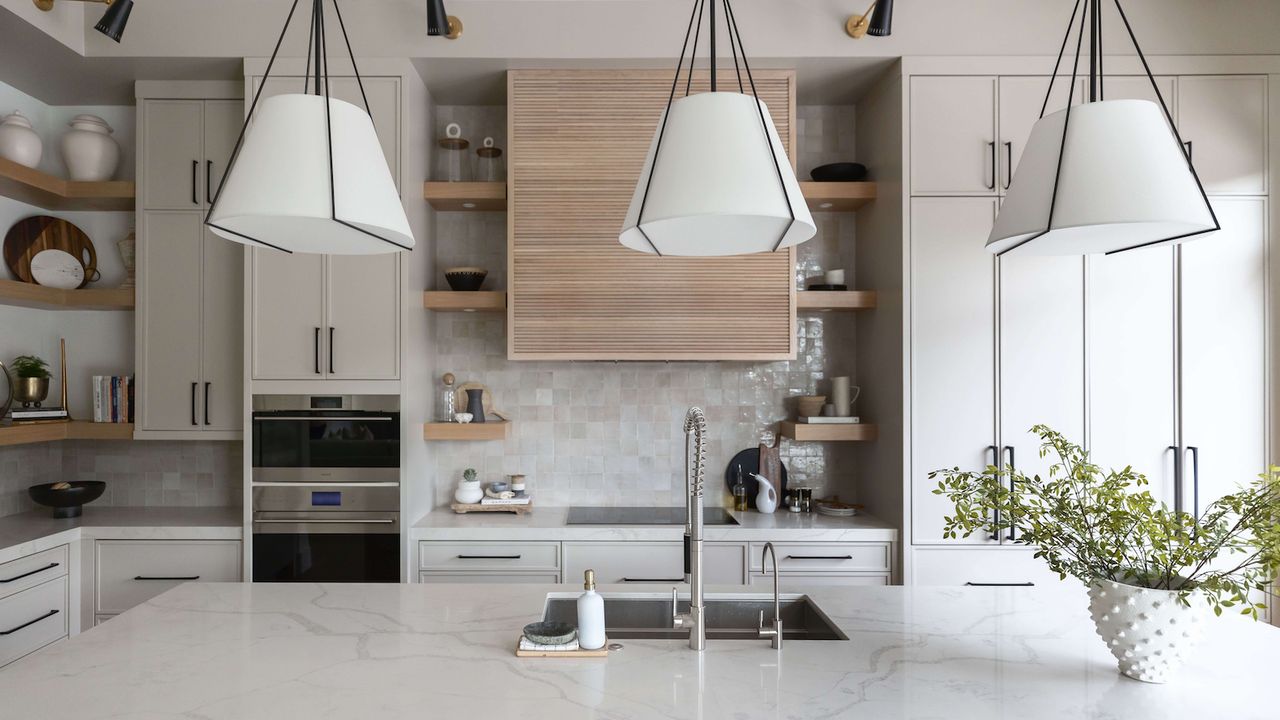
Kitchen island with steel sink and taps.

A kitchen sink may not be the most glamorous item on your new kitchen shopping list, especially if the dishwasher tackles most of the dirty work these days. But your main sink is about far more than Marigold-gloved drudgery. It anchors the prep zone, shapes the flow of the room, and often becomes the point where beautiful countertops, cabinetry, and hardware come together.

Get it right, and everything around it somehow feels more considered. A chunky fireclay farmhouse sink can bring instant character to a Shaker kitchen, while a seamless stone sink carved from the countertop almost disappears, letting the material take center stage. Even the faucet you pair it with can nudge a scheme from classic to contemporary.

Whether you’re planning a complete remodel or simply gathering inspiration, these kitchen sink ideas prove there’s far more to think about than stainless steel versus ceramic. From timeless farmhouse styles and sculptural integrated designs to clever placement ideas and the finishing details designers swear by, this gallery showcases what’s possible. And when you’re ready to move from inspiration to planning, our guides to how to choose a kitchen sink will help you narrow down the options.

1. Sink Styes To Know About

Think of your sink as the shoes of your kitchen design. You might not notice them immediately, but get them wrong, and the whole outfit will feel a bit off. The style sink you choose isn’t make or break, but it does affect the tone, especially if it clashes with the style of the rest of your kitchen. Whether you’re drawn to a sink with old-house charm or something that’s so sleek you can barely see it, these ideas prove it’s far more than somewhere to rinse the salad.

Farmhouse Style Sinks

A classic farmhouse sink keeps this colorful, eclectic kitchen feeling warm, welcoming and grounded. (Image credit: deVOL Kitchens)

There’s a reason farmhouse sinks have stuck around for decades. Deep, practical and effortlessly handsome, they’re one of those rare features that genuinely improve with age. Also called Butler or Belfast (with an overflow weir) sinks, the signature apron front adds instant character, while the generous bowl happily swallows roasting tins, stockpots and a grubby toddler (not at the same time). If you cook a lot, entertain regularly or simply prefer washing one big pan instead of playing saucepan Tetris, they’re hard to beat.

Don’t assume farmhouse automatically means country cottage kitchen, though. ‘To keep it feeling fresh, we like to balance a farmhouse sink with more modern or transitional elements, like streamlined lighting, a slab backsplash, interesting stone, and beautiful cabinet hardware,’ says Zoe Pinska, co-founder, Sidemark Studio. Also consider apron front designs in darker glazes or carved stone for more impact, without losing that unmistakable farmhouse character.

Modern and Sleek Sinks

In crisp steel an undermounted sink complements this modern scheme. (Image credit: Julie Soefer. Benjamin Johnston Design)

Modern sinks are masters of understatement. They’re not trying to steal the limelight; they’re discreetly making everything around them look more expensive. ‘Tighter corners and thinner lines are hallmarks of contemporary sinks, but other things that set them apart are clean drain covers that create a beautiful basin like this one from Franke,’ says Eva Lindsell Andersen, founder of Lindsell Interiors.

Undermount designs remain the go-to choice because they allow the kitchen countertop to flow uninterrupted into the sink, creating crisp lines and making wiping crumbs straight into the bowl satisfyingly easy. Large workstation-style modern sinks, like Kohler’s Prolific range, have also become increasingly popular, offering sliding chopping boards, colanders and drying racks that make the most of every inch of space.

Rather than demanding attention, today’s most sophisticated sinks almost disappear. Fabricated from the same material as the surrounding countertop, they blur the boundary between sink and work surface, creating a beautifully seamless finish that feels both minimalist and luxurious.

Classic and Transitional Sinks

A simple ceramic undermount sink is the perfect fit for this timeless transitional kitchen. (Image credit: Margaret Austin. Design by Sidemark Studio)

If a farmhouse sink feels a little too country for your taste, a classic undermount or inset ceramic sink offers the same timeless appeal in a more understated package. ‘A classic sink has clean lines, beautiful proportions, and a finish that feels integrated with the overall kitchen rather than calling too much attention to itself,’ adds Zoe from Sidemark Studio.

This is where transitional kitchens really come into their own. Pair a simple ceramic sink with painted Shaker cabinetry, a chunky stone worktop and streamlined hardware, then introduce warmth through timber, woven textures or statement lighting. The sink doesn't need to be the focal point. Instead, it becomes part of a carefully balanced scheme that feels fresh today and is unlikely to date tomorrow, or any time soon.

Rustic and Characterful Sinks

Sourced from rural Belgium, this 19th-century bluestone sink pairs beautifully with antique zinc countertops. (Image credit: Julie Soefer. Design Kara Childress Atelier])

If contemporary sinks are all about perfection, rustic sinks celebrate the rough and tumble of family life. They’re the interiors equivalent of your favourite old leather boots: comfortable, full of character and only getting better with age.

Chunky fireclay, antique brass and carved stone sinks are the obvious starting point, bringing texture and authenticity that smooth composite or polished stainless steel simply can’t replicate. They don’t mind a few knocks, either. In fact, the odd chip, scratch, or developing patina only adds to their appeal. ‘When sourcing antique statement sinks, we look for pieces that combine everyday function with warmth and authenticity,’ says interior designer Kara Childress.

You don’t have to spend weekends rummaging through reclamation yards to find the perfect sink for your modern rustic kitchen. While an original vintage sink can be a satisfying find, a well-made reproduction like this hammered copper sink is often the more practical option, combining handcrafted character with modern dimensions and plumbing that’s far less likely to spring an unwelcome leak.

Whether older than God or secretly box-fresh, a credible rustic sink shouldn’t look as though it was installed yesterday. It should feel as though it’s been earning its keep for years, becoming more characterful with every meal cooked, bunch of flowers arranged, and muddy vegetables rinsed.

2. Sink Materials to Consider

This beautifully restored vintage sink with its unusual high upstand creates a striking design feature. (Image credit: Julie Soefer. Creative Tonic)

The material you choose has a bigger impact on the look of your kitchen than you might think. The same cabinetry can feel completely different depending on whether it’s paired with crisp white fireclay, warm burnished brass, softly textured composite or dramatic natural stone. None is tied to one particular style; they simply create a different mood.

Ceramic and Fireclay

A simple ceramic undermount sink keeps the focus on the beautifully veined stone worktop. (Image credit: George Barberis. Design Bright Designlab)

If kitchen sinks had a little black dress, this would be it. Ceramic sinks never really go out of style. ‘They’re robust, easy to maintain and generally age very well. The glazed finish resists staining and everyday wear, so even after years of use, they can still look remarkably fresh. They’re not indestructible though; if you drop something particularly heavy, there’s always a risk of chipping, which is worth bearing in mind,’ explains Alissa Pulcrano, founder of Bright Designlab.

White is still the classic, bouncing light around the room and making almost any cabinet color look good. It’s particularly effective against darker cabinetry, where the contrast gives the whole kitchen a little lift. Softer shades of cream and warm white are also becoming increasingly popular, especially in kitchens that lean into earthy paints, natural timber and unlacquered brass. Finish the look with a traditional bridge tap or elegant polished nickel, and you’ll have a sink that’s unlikely to fall out of favor any time soon.

Stainless Steel

An asymmetrical divider and brass basket strainers bring a fresh twist to the classic double-bowl stainless steel sink. (Image credit: Nate Sheets. Design by McCroskey Interiors)

Stainless steel is another absolute classic that’s equally suited to modern kitchens and trad schemes. If you want a sink that requires absolutely no thought or care, this is the no-frills option you need. Design-wise, steel stinks have undergone something of a glow-up in recent years. Once pretty basic (and cheap), they’re now firmly back on designers’ mood boards, thanks to really crisp shapes with sharp detailing.

‘I love thinking about stainless steel as more than the functional part of the material; it’s part of the material’s story. It blends with beautiful stone, warm wood, dark cabinetry, polished nickel, or unlacquered brass, it feels so planned and elegant,’ says Jasmin Reese, founder of Jasmin Reese Interiors.

One of its biggest advantages is versatility. Brushed finishes soften the industrial edge of polished steel while doing a much better job of disguising fingerprints and water marks. Large workstation-style sinks and generous single bowls have also become increasingly popular, combining clean aesthetics with practical features such as integrated chopping boards, colanders and draining racks.

‘You can’t always see it, but stainless steel is really beautiful and crisp. It scatters light, complements strong or subdued color schemes, and provides a professional finish to the kitchen space that is both clean and professional,’ adds Jasmin.

Stone and Composite

Matching stone across the apron-front sink, countertop and upstand creates a striking, uninterrupted look. (Image credit: Charlie Kingham)

If your dream kitchen is all about uninterrupted surfaces and streamlined luxury, stone and composite sinks are hard to beat. Rather than standing out, they blend effortlessly into the surrounding worktop, creating a calm, architectural look that has become synonymous with contemporary kitchen design.

Natural stone, porcelain, and solid-surface materials, such as HIMACS and Corian, are often fabricated by the same company supplying the worktops, allowing the sink to be crafted from the same material. The result is a beautifully seamless finish where the bowl appears to sink into the countertop itself – pun intended!

If you want to swerve the fabrication costs, composite sinks can also be bought separately and undermounted like any other kitchen sink. Manufactured separately from a blend of natural stone particles and resin, they’re available in a wide range of colors and can be paired with closely matched worktops, allowing the worktop to remain the star of the show. Whichever route you choose, the effect is the same: clean lines, minimal visual interruption, and a sink that complements the rest of the kitchen rather than competing with it.

Brass and Copper

Undermounted sinks in gleaming copper introduce an unexpected layer of richness in this modern kitchen. (Image credit: Malcolm Menzies. Design by Blakes London/Vawdrey House)

Brass and copper are proper show-off sinks, in a good way. Whether polished to a high shine and lacquered to maintain the finish, or left to develop a rich, timeworn patina, these warm metals instantly become the star of the room. They’re particularly striking against inky blue or forest green kitchen cabinetry, dramatically veined marble and dark timber, where their glistening color really comes into its own.

‘Brass and copper sinks introduce a richness and warmth that more conventional materials struggle to replicate. Unlike stainless steel or ceramic, they develop a natural patina over time, so the sink becomes more characterful with age rather than looking worn,’ says Annie Burrows, lead designer, Blakes London. ‘That evolving finish can help a kitchen feel more layered, collected and individual, particularly in spaces where you want to soften harder surfaces such as stone and painted cabinetry.’

Because the sink naturally draws the eye, it’s worth letting it enjoy the spotlight. Keep surrounding finishes relatively understated and resist the temptation to match every metal in the room. A little contrast often feels far more relaxed than a kitchen where everything is singing from the same hymn sheet.

3. Where To Position a Kitchen Sink

This well-planned sink position keeps the prep, cooking and washing-up zones comfortably connected. (Image credit: Julie Soefer. Kara Childress Atelier)

Where your sink lives is one of the most important decisions you’ll make when designing a new kitchen. Get the placement right and the whole space feels more intuitive; get it wrong, and you’ll be cursing it every time you have to trek six miles to drain the pasta. Whether you’re planning a sprawling open-plan space or searching for clever small kitchen ideas, thinking about sink placement early – alongside your wider kitchen layout ideas – will pay dividends every single day.

Under a Window

A sink centered beneath the window brings effortless symmetry to the entire kitchen. (Image credit: John Bessler. Design Kathryn Hunt Studio)

If kitchen designers had a default setting, it would probably be ‘sink beneath a window’. It remains the most popular location because it’s one of those rare ideas that’s both practical and a genuine pleasure to live with.

Nobody has ever complained about washing up while looking out over the garden. Well, unless it’s raining sideways or your 'back yard' is a brick wall. ‘Placing the sink beneath a window is about more than simply enjoying the garden view. The window creates a natural focal point that brings balance to the kitchen, while the absence of wall cabinets keeps the whole space feeling lighter, brighter and more open,’ says interior designer, Jasmin Reese.

One of the joys of a sink beneath a window is the styling potential. What you put over a kitchen sink window can completely change the feel of the space, from the softness of a linen Roman blind to the charm of a café curtain. Finish the scene with herbs, handmade ceramics, or a vase of freshly cut flowers on the sill below.

On the Island

A minimalist undermount sink keeps the island practical without compromising its clean lines. (Image credit: Scott Bergmann. Design by Lindsell Interiors)

If the sink beneath the window is the traditional choice, the island sink is its more sociable younger sibling. Instead of turning your back on everyone while you chop vegetables, you stay connected to family life, dinner guests, or whoever has wandered into the kitchen hoping for snacks. It’s one of the reasons island sinks have become so popular in open-plan homes.

‘For clients who love to entertain, a large island sink can function really nicely, both as a way for the chef to face guests, as well as for use as a large chiller for bottles of beer or wine,’ says Eva Lindsell Andersen, of Lindsell Interiors. ‘Island sinks also make sense aesthetically when you have a clear line of symmetry and can align the range and the sink back-to-back. However, to make this work, you need proper spacing between the island and the range.’

Keeping the kitchen island clutter-free is important, especially if you’re using it for your main kitchen sink. ‘You must consider all of the items that gather around the sink,’ says Eva. ‘We plan for a soap pump and air button for the disposal and build in paper towel holders or dish towel rails inside the flanking cabinets to keep the countertop clear.’

Many larger kitchens now include a smaller prep sink in the island, leaving the main sink beneath the window for washing up. It’s a practical arrangement that allows more than one person to cook comfortably, while keeping the island free from stacks of dirty dishes and the inevitable washing-up clutter.

In the Corner

A 45-degree corner cabinet gives the sink area plenty of room. (Image credit: Kaitlin Green. Design by Sunday House)

Corner sinks don’t often make the glossy magazine covers, but they’re one of those clever ideas that can transform an awkward layout. If doors, windows, or structural walls have left you scratching your head, moving the sink into the corner can suddenly free up long stretches of uninterrupted worktop elsewhere. They’re particularly effective in L-shaped kitchens, compact spaces and older homes where the layout doesn’t always play nicely.

The secret to a successful corner sink is giving it room to breathe. Choose the largest bowl your layout can accommodate, leave generous worktop space either side, and avoid positioning the trash or dishwasher so close that people are constantly having to shuffle past one another. Planned well, a corner sink doesn’t feel like a compromise at all; it just looks like smart design.

Tucked Into the Hearth

A marble-lined chimney breast creates an unexpected home for this double-bowl sink. (Image credit: deVOL. Design by Clarence & Graves)

Sometimes the best place for a sink is somewhere completely unexpected. Rather than positioning it beneath a window or on the island, this design by Clarence & Graves tucks a double-bowl sink neatly into the original chimney breast, freeing up the island as the main cooking and gathering space.

The marble-lined alcove turns an everyday fixture into a striking focal point, while the generous double bowl allows one side to be used for washing and the other as a drainer, so there's no need to sacrifice practicality. It's a solution best considered early in the design process, as adequate depth is needed for plumbing and waste pipework. Good task lighting from above is also essential, as you'll be relying less on natural daylight than with a traditional window sink.

4. Design Details Not To Forget

This bespoke triangular prep sink set in backlit quartzite is absolutely dreamy. (Image credit: Mary Wadsworth. Design by Roundhouse)

The sink might be the headline act, but the supporting cast deserves a standing ovation too. Faucets, backsplash, and even the humble draining board all play their part in making a kitchen sink feel thoughtfully designed rather than chucked in. They’re the details people often overlook at the planning stage, yet they’re usually the ones that separate a nice kitchen from one you can’t stop thinking about.

Find the Right Faucet

Nothing complements a farmhouse sink quite like a beautifully proportioned bridge mixer. (Image credit: Astrid Templier. Design by Pandora Taylor Interiors)

Think of the faucet and sink as a double act; neither should be chosen in isolation. ‘When it comes to a considered sink and tap pairing, it’s all about proportion, finish and contrast. I don’t need everything to be matchy-matchy; a bit of contrast between materials makes it look layered and sophisticated,’ says Jasmin Reese, founder of Jasmin Reese Interiors. ‘I really love the presence of a stainless-steel sink with a solid brass or polished nickel tap. The sink can be hardworking, and the tap is the jewelry.’

Some pairings are an obvious fit. A chunky farmhouse sink naturally suits a graceful bridge tap or swan-neck mixer, for example, while sleek undermount designs work best with slimmer, more contemporary silhouettes. Industrial-style pull-down sprays remain a favorite too, particularly for keen cooks who appreciate a little extra reach when tackling oversized roasting tins.

Scale matters, too. An oversized professional-style faucet can overwhelm a compact sink, while a delicate mixer may look lost above a generous farmhouse basin.

Add a Beautiful Backsplash

Your sink backdrop is the perfect place to dial up the color, pattern and personality. (Image credit: Julie Soefer. Creative Tonic Design.)

The space behind your sink naturally draws the eye, so don’t treat it as an afterthought. Whether you match your countertop choice, go for a total material switch or introduce decorative tiles, it’s one of the easiest places to add personality.

‘I love to let the creativity run wild when planning the backsplash area behind a sink – playing it safe is a missed opportunity,’ says Courtnay Tartt Elias, founder of Creative Tonic Design. ‘Durable enough for high-traffic areas and remarkably simple to clean, mosaic backsplashes are absolutely perfect for busy kitchens. If you’re opting for tile, darker grout is more forgiving on dirt and highlights each individual tile to accentuate the pattern.’

For a calmer look, continue your countertop material up the wall. Veined marble, quartzite, and porcelain create a beautifully seamless backdrop, particularly when paired with an integrated sink. If your sink sits beneath a window, carrying the same stone onto the windowsill is another subtle detail that instantly elevates the whole scheme.

Don’t Neglect the Draining Board

Wide workstation sinks keep the draining area neatly contained. (Image credit: Kara Mercer. Nuance Interior Design)

Traditional countertop draining baskets have earned their bad reputation. Most are ugly, awkward to load and somehow never quite look clean, even when they are.

Thankfully, things have improved. There are now plenty of well-designed options that deserve a place on your countertop. We particularly like Joseph Joseph’s expandable range with stainless-steel detailing, while simple combinations of white and natural wood feel equally at home in more considered kitchen schemes.

‘Draining boards feel intentional when specified in a finish that coordinates with the kitchen, such as a wood that relates to the cabinetry or another material already used in the space. I also look for solutions that will still look beautiful after years of daily use, not just on the day of the photoshoot,’ says Sarah Walker, founder of Nuance Interior Design.

If you’d rather not have anything sitting beside the sink, grooved draining boards machined into stone or solid-surface countertops remain one of the smartest solutions, discreetly channeling water back into the bowl without interrupting the work surface. They are brilliant for air-drying larger cookware if you mainly use a dishwasher, but plates and cutlery can be a bit precarious unless you source a draining rack.

Workstation sinks offer another clever alternative. Integrated ledges support draining racks inside the bowl itself, allowing plates and glasses to dry neatly over the sink rather than cluttering up the countertop.

Create Seamless Countertop Transitions

An integrated tap ledge looks bespoke and keeps countertops clear of dish soap. (Image credit: Malcolm Menzies. Blakes London)

If you’ve ever wondered why some kitchens simply look more expensive than others, this is often the reason. An undermount sink allows the worktop to run uninterrupted to the very edge of the bowl, creating beautifully clean lines while making everyday cleaning noticeably easier.

Carry that same material onto splashbacks, waterfall island ends, or window sills and the effect becomes even stronger. Rather than lots of separate elements competing for attention, the kitchen starts to feel like one carefully considered design. ‘An integrated sink removes one of the busiest visual junctions in a kitchen,’ says Annie Burrows of Blakes London. ‘There are no raised edges or material changes competing for attention, so the eye reads the worktop as one continuous surface. That sense of uninterrupted flow is often associated with bespoke design, which is why integrated sinks tend to have such a luxurious feel. They’re also incredibly practical, as crumbs and spills can be wiped straight into the bowl without catching on a rim.’

5. What Designers Always Consider

By now you’ve probably got a saved folder full of sink inspiration, but before settling on a favorite, it’s worth taking a step back. Beyond style, the size, material, position, and type of sink you choose will have a bigger impact on how your kitchen works than almost any other feature. Here are the four things designers always consider before signing off on the sink specification.

Think About Size Before Style

Two generous bowls will make light work of any sink based task. (Image credit: George Barberis. Design by Bright Designlab)

A giant farmhouse sink looks undeniably impressive, but only if you’ve got the worktop space to support it. In a compact kitchen, an oversized bowl can leave you desperately short of prep space, while a sink that’s too small will have baking trays teetering precariously over the edges. If you are naturally tall, any sink with a deep bowl can also be murder on your back if you’re prepping a lot of veg or washing glassware post-party.

Also think about what you cook with and how you like to work. Do you regularly wrestle with roasting tins and stockpots, or is your dishwasher doing most of the heavy lifting? A generous single bowl offers maximum flexibility for larger cookware, while offset and double-bowl designs make it easier to rinse, soak and prep simultaneously. Choosing a sink that suits your lifestyle, rather than simply the latest trend, will pay dividends every day.

Pick a Material You’ll Still Love in Five Years

Every sink material has its own pros and cons, and it’s worth thinking beyond first impressions. Ceramic is timeless and works with almost any kitchen style. Stainless steel is wonderfully versatile and shrugs off busy family life with ease. Composite sinks deliver a softer, contemporary look, while brass and copper become richer and more characterful as they age.

None is objectively ‘better’ than another; the trick is choosing one that suits both your kitchen and your tolerance for maintenance.

Think About Installation Types

Two single sinks under-mounted side-by-side gives each a little room to breathe. (Image credit: Paul Massey. Design by Naomi Astley Clarke )

How your sink meets the surrounding countertops and cabinetry has a surprisingly big influence on both the look of your kitchen and how easy it is to keep clean.

Undermount sinks are fixed to the underside of the countertop, creating a clean edge that allows crumbs and spills to be wiped straight into the bowl. They’re a favorite with stone, quartz, porcelain and solid-surface worktops, but require a waterproof seal between the sink and countertop.

Inset or drop-in sinks sit on top of the worktop, with a visible rim overlapping the cut-out. They’re generally simpler to install, work with a wider range of countertop materials (like wood and laminate) and are often the more affordable option. The trade-off is that the rim can collect crumbs and limescale if it’s not kept clean.

Flush-mount sinks sit level with the surrounding countertop, offering a neater finish than an inset sink while avoiding the exposed edge of an undermount. They’re most commonly paired with porcelain and solid-surface worktops, where precise fabrication is possible.

Apron-front sinks are designed to project beyond the cabinetry, leaving the front of the bowl exposed as a decorative feature. They require a purpose-built sink cabinet and careful planning, as both the cabinet dimensions and countertop need to be designed around the sink from the outset.

Does It Suit the Space?

A sink shouldn’t feel like it wandered in from a different kitchen. Farmhouse sinks belong where character is celebrated, integrated sinks thrive in pared-back contemporary schemes, while statement stainless steel designs often complement more professional-style spaces. The most successful kitchens don’t rely on every finish matching perfectly, but they do share a consistent design language. When the sink, faucet, cabinetry, and countertops all tell the same story, the whole room feels more relaxed.

6. Common Sink Mistakes

The industrial style of these Waterworks taps look perfect partnered with a stainless steel sink. (Image credit: Waterworks)

Even beautifully designed kitchens can be let down by a few avoidable sink-related kitchen design mistakes. Keeping these common pitfalls in mind during the planning stage will help create a space that’s both attractive and enjoyable to use.

Installing the sink too far from the dishwasher
It sounds obvious, but loading plates becomes surprisingly tedious if you’re constantly walking around an island or across the room. Keeping the sink and dishwasher within easy reach makes clearing up far more efficient.

Forgetting where the faucet lands
A window that won’t open because the faucet is too tall is one of the oldest kitchen planning mistakes in the book. Likewise, make sure the spout reaches the centre of the bowl rather than the front edge, otherwise water ends up everywhere except the sink.

Underestimating splash zones
A sink isn’t an island (unless it literally is on one). Timber shelving, wallpaper and painted plaster all need careful consideration if they’re going to be regularly sprayed with water. Durable materials around the sink will look better for longer.

Choosing a sink that’s too deep
Deep bowls sound luxurious, but they can be surprisingly uncomfortable if you’re tall or spend a lot of time washing vegetables, filling pans or handwashing glasses. Sometimes a slightly shallower bowl is the more ergonomic choice.

Forgetting what will live around the sink
Soap dispensers, hand wash, washing-up liquid, brushes, sponges, dishcloths... they all need a home. If you don’t plan for them, they’ll end up cluttering the countertop no matter how beautiful the sink is.

Making the faucet the wrong height An oversized commercial-style faucet can overwhelm a compact sink, while a tiny mixer can look lost above a large farmhouse basin. Scale matters just as much as finish.

Thinking about today, not 10 years’ time
That trendy colored sink or highly polished finish might feel exciting now, but ask yourself whether you’ll still love it after thousands of cups of tea and family dinners. The best kitchens have longevity built in.

Not checking sightlines
If your sink is on an island, remember you’ll be looking at it from your sofa or dining table. A stack of drying-up can dominate the whole room, so think carefully about whether the island should be reserved for prep or whether a second sink elsewhere might be a better solution.

Kitchen Sink FAQs

What color kitchen sink is in style?

White remains the most timeless kitchen sink color, particularly in ceramic and fireclay, but designers are increasingly embracing softer, more nuanced shades. Warm cream, sandstone, taupe and charcoal all feel more contemporary than stark white and pair beautifully with today’s earthy cabinetry and natural stone countertops. Metallic finishes, including aged brass and copper, continue to make a statement, while color-matched composite and integrated stone sinks are growing in popularity for homeowners who’d rather the sink disappear into the worktop. Ultimately, the best choice is one that complements your countertop and cabinetry rather than competing with them.

Are kitchen sinks becoming bigger?

In many homes, yes. Large single-bowl sinks have become the preferred choice because they make light work of oversized pans, roasting trays and entertaining essentials that don't fit comfortably in the dishwasher – or that you’d rather wash by hand. At the luxury end of the market, workstation sinks are also growing in popularity, incorporating integrated ledges for chopping boards, colanders and draining racks that maximize every inch of the bowl. Rather than taking up more space, they’re designed to make better use of the space you already have.

Can a kitchen sink be a design feature?

Absolutely, while many contemporary kitchens favor sinks that blend discreetly into the countertop, others put them firmly in the spotlight. Sculptural stone basins, richly patinated copper and brass, fluted apron-front designs and dramatic veined marble all transform a practical necessity into a genuine focal point. Even the faucet, backsplash and surrounding countertop play a part and, in truth, it’s often the sink area, rather than the sink alone, that defines the character of the kitchen.

What makes a kitchen sink look expensive?

It’s usually the details rather than the price tag of the sink itself. An undermount or integrated installation instantly creates a cleaner, more bespoke appearance, while high-quality countertop materials, a thoughtfully chosen faucet and a clutter-free sink area all contribute to a more luxurious feel. Small finishing touches, such as matching the windowsill to the countertop or carrying the same stone up the backsplash, also make a surprising difference. The kitchens that feel the most expensive aren’t necessarily filled with the most expensive products – they’re just cleverly designed.

The right kitchen sink can elevate everything around it, from the countertops and cabinetry to the way the room feels to use. Borrow the ideas that resonate, make them your own, and create a sink area you’ll enjoy using every single day.

Love beautiful design ideas, expert advice, and inspiring decor trends? Sign up for our newsletter and get the latest features delivered straight to your inbox.

Sign up to read this article
Read news from 100's of titles, curated specifically for you.
Already a member? Sign in here
Related Stories
Top stories on inkl right now
One subscription that gives you access to news from hundreds of sites
Already a member? Sign in here
Our Picks
Fourteen days free
Download the app
One app. One membership.
100+ trusted global sources.