
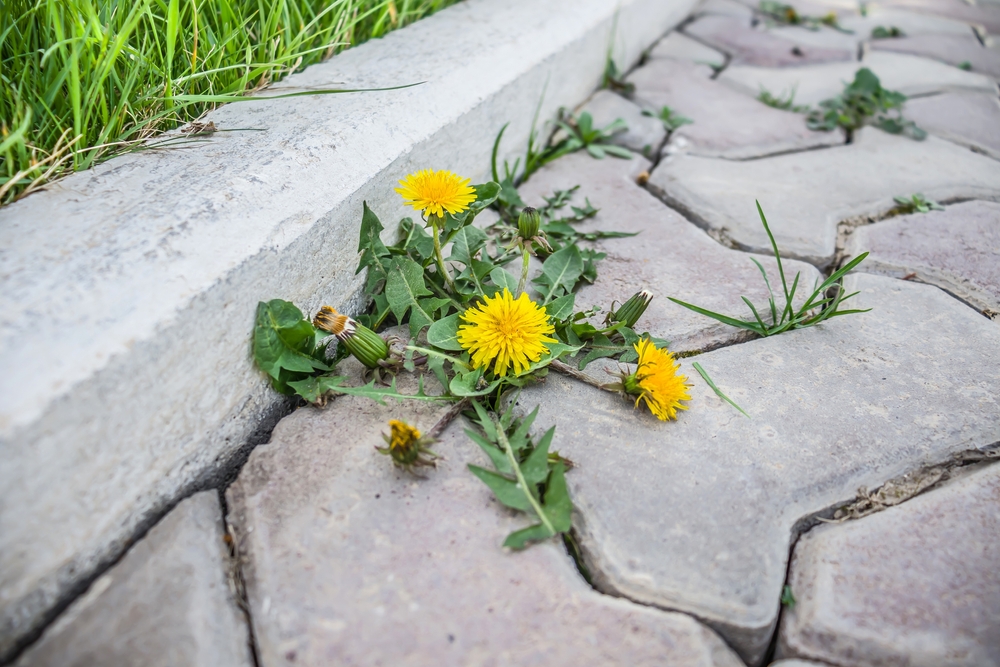
Should you use diesel to kill weeds? Short answer: Nope.
Weeds can be annoying. They compete with other plants for nutrients and can turn a pretty, organized garden into a patchy mess. Still, I’ll continue to stand up for weeds. Some of the plants we consider weeds are actually beneficial. They offer up food to hungry pollinators and beneficial bugs. True weeds are plants that have been introduced to an environment in which they have no natural competitors or predators. That means they grow unchecked and sometimes harm habitats and ecosystems.
BUT. Even with true weeds, I’m wildly hesitant to recommend something toxic like diesel. As someone who tries to do their best to grow organically, the thought of using diesel anywhere near my garden fills me with dread.
Can You Use Diesel to Kill Weeds?
Some people might recommend that you use diesel to kill stubborn weeds. This tactic is often recommended for lawns littered with weeds. I don’t think we should be wasting valuable resources on curating green lawns that have no purpose. Second, even if you’re using it on a non-edible surface, know that diesel is highly toxic and can contaminate nearby areas.
If you’re growing anything edible, stay away from toxic substances like diesel.
You also run the risk of harming animals and beneficial insects like bees and butterflies. With bee and pollinator populations on the decline, it seems incredibly risky and irresponsible to use a toxic substance just to get rid of a few weeds.
“But my weed problem is terrible, and I heard I could use diesel to fix it!”
There are plenty of other ways to tackle pesky weeds. Getting rid of weeds isn’t easy, but if you want a hobby to replace your leisurely walk in the park, gardening might be the wrong choice. Additionally, diesel is pricey and flammable! You’ll do better by spending your money on something else for the garden.
Gardening is an approachable hobby because it’s simple to get started with some dirt and some seeds. But to turn a landscape around involves a lot of work. You can be a frugal gardener, but any kind of digging in the dirt requires some form of effort.
Safer Alternatives to Diesel for Killing Weeds
While diesel may seem like a quick fix for stubborn weeds, it’s a hazardous and illegal method that poses serious risks to your soil, water supply, and health. Fortunately, there are several safer and more sustainable options that can effectively manage weeds without harming the environment. These methods range from natural solutions to approved herbicides, giving gardeners plenty of choices that align with responsible gardening practices.
- Boiling Water: Pouring boiling water directly onto weeds is a simple, chemical-free way to kill them, especially in cracks and driveways.
- Vinegar-Based Sprays: Household vinegar or horticultural vinegar can be used to dehydrate and kill weeds. Add a bit of dish soap to help it stick to leaves.
- Manual Removal: Hand-pulling or using weeding tools is labor-intensive but highly effective for small areas and garden beds.
- Mulching: Applying mulch suppresses weed growth by blocking sunlight and creating a barrier for weed seeds.
- Organic Herbicides: Products made from natural ingredients like clove oil or citric acid are available and safe for use around pets and children.
- Flame Weeding: A propane torch can be used to scorch weeds in non-flammable areas like gravel paths—use with caution and follow safety guidelines.
- Corn Gluten Meal: This acts as a natural pre-emergent herbicide, preventing weed seeds from germinating.
These methods not only protect your garden but also help preserve the health of your local ecosystem. Choosing safer alternatives ensures your weed control efforts are both effective and environmentally responsible.
What to Read Next
- 10 Garden Tasks That Prevent Spring Weeds
- 9 Edible Weeds That Pop Up in September
- 5 Fall Weeds You Should Pull Immediately
- 9 Weeds That Spread Toxic Pollen Without Warning
- The Mulch Trick That Saves Water and Fights Weeds
The post Killing Weeds with Diesel? Here’s What You Need to Know First appeared first on Frugal Gardening.