
Get all your news in one place.
100's of premium titles.
One app.
Start reading
Tom’s Guide
Tom’s Guide
Technology
Tom Pritchard

Killing iTunes was the best thing that ever happened to the iPhone — here's why

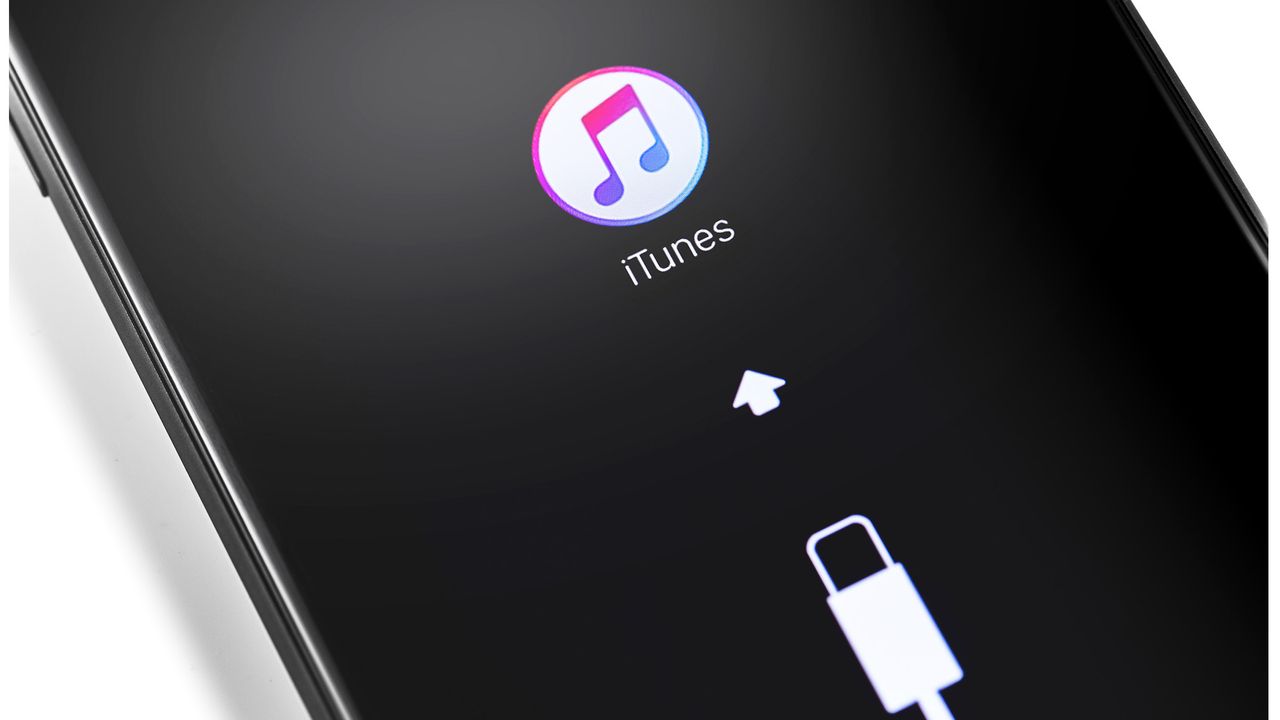
Iphone plug into itunes screen.

I might be showing my age here, but I remember when buying a new iPhone also meant making sure you had a desktop with the latest version of iTunes installed. Without that key piece of Apple software, your shiny new iPhone 3GS was basically an Apple-branded brick. No iTunes meant no iPhone.

iTunes was a relic of the iPod era, back when devices didn't have cellular data connections or even Wi-Fi connectivity. It managed your music player for you, and Apple kept it around for the fledgling iPhone as well. This made the user experience far less fun than it should have been.

Fortunately, this didn't last long — and the release of iOS 5 in 2011 made iTunes an optional choice rather than a necessary evil. The iPhone had already proven a huge hit by this point, and ditching iTunes was easily the best thing it could have done to maintain Apple's dominance.

To put it bluntly: iTunes really sucked, and keeping it around unnecessarily would have only tarnished the user experience. I’m extremely glad it’s gone.

iTunes and the iPhone: A necessary evil?

(Image credit: Shutterstock)

2007 was a very different time, especially in the mobile world. 4G LTE was still over three years away, and 5G wasn't even a concept for the vast majority of people. Given the landscape, it made sense for Apple to utilize an existing system for the iPhone — a device unlike anything else on the market.

iTunes had already been in service for years, operating as more than just a digital music store. It was the only way to set up and manage your iPod, since Apple's music player lacked any wireless connectivity of its own.

On top of that, iTunes handled the initial activation and software updates while functioning as the only official way to manage media. Whether you wanted to add songs, videos, or photos, iTunes was the only way to sync them and organize everything efficiently.

Even if you preferred to supply your own files, rather than purchasing them, iTunes was literally the only way to do it.

The system worked, to a point, so it was logical for Apple to adopt a near-identical management method for the iPhone — especially since iTunes eventually allowed users to manage apps and other local files.

I distinctly remember my iPhone 3GS telling me that I couldn't download an app update over cellular data because the file size was too big. Since my college dorm had a strict anti-Wi-Fi policy (2009 was a weird time), iTunes was the only way to install the update. I imagine my situation wasn’t that unusual for the time.

As much as I dislike iTunes, it feels like a necessary evil for the time. I've used Android phones that suffered because the rollout of software updates was controlled by carriers that had no real incentive to get it done quickly. By cutting them out and directly distributing the software itself, Apple made the user experience a lot less painful — even if it meant subjecting everyone to iTunes for almost half a decade.

It doesn't change the fact iTunes has always sucked

(Image credit: Shutterstock)

Think back to the early days of the iPhone, or back when the iPod was still the pinnacle of portable music. Do you remember just how much of a pain it was to use iTunes for everything? It was slow, clunky, and for Windows users like myself, it filled your machine with a bunch of extra software you didn't actually need.

I already had VLC on my computer, so I sure as heck didn't need QuickTime. I'm still not entirely sure what "Bonjour" is supposed to do, or why iTunes simply refused to work if you uninstalled even one of these companion programs. I’ll never understand why it wasn't all bundled together as one program.

When I first got my iPod and was trying to figure it out, I distinctly remember my dad showing me the best way to add music. As any iTunes veteran may remember, it definitely wasn't the long, drawn-out syncing process. Syncing was easily the worst part of the whole experience, and avoiding it helped me save countless hours of waiting for the darned thing to finish and finally let me listen to my music again.

And don't forget the constant prompts to agree to new terms and conditions. If you think modern iOS update notifications are annoying, they have nothing on the ever-changing iTunes T&Cs. The frustration was so widespread that the experience was being lampooned in pop culture.

It was a shock to switch to Android in 2011 and discover I didn't need companion software at all. When I asked a friend how he managed his music, he just gave me a look of pure confusion. It had never occurred to me that you could just drop music files onto your phone as if it were a USB stick.

I wouldn't go so far as to call the iTunes experience traumatic with early Apple devices, but it certainly wasn't pleasant. I had repressed most of these memories for a reason, and finally being separated from iTunes was actually pretty freeing.

Clearly, Apple saw the error of its ways. With the 2011 launch of iCloud and iOS 5, iTunes was no longer a mandatory part of the iPhone experience. While it lingered for several years for those who still needed it, by the end of 2019, it had been removed from Apple's ecosystem. The slack was picked up by more specialized apps like Apple Music, TV, and Finder.

Sadly, much like cockroaches, iTunes can apparently never be fully killed. It still exists on Windows for the Mac-less people who need to manage their devices via a desktop. Considering its 2.8 rating on the Windows Store, it clearly hasn't improved much over the past six years.

Bottom Line

(Image credit: Shutterstock)

I can see an argument being made for the existence of iTunes at a certain point in time, even by the time the iPhone debuted. But it doesn't change the fact that the experience using the software was just so painfully awful — and far from the kind of sleek experience people associate with Apple software.

Clearly, Apple knew something was up, and that's why iPhones have been capable of running iTunes-free for almost 15 years. However, the fact that the software wasn't pulled from Macs until 2019 and still exists on Windows, suggests that Apple still felt the need to have some kind of desktop-based tether for its devices.

Why Apple never seemed to do much to fix iTunes' inherent awfulness is something I'll never understand. But not making it mandatory was easily the best thing it could have done to help the iPhone flourish.


More from Tom's Guide

Sign up to read this article
Read news from 100's of titles, curated specifically for you.
Already a member? Sign in here
Related Stories
Top stories on inkl right now
One subscription that gives you access to news from hundreds of sites
Already a member? Sign in here
Our Picks
Fourteen days free
Download the app
One app. One membership.
100+ trusted global sources.







