
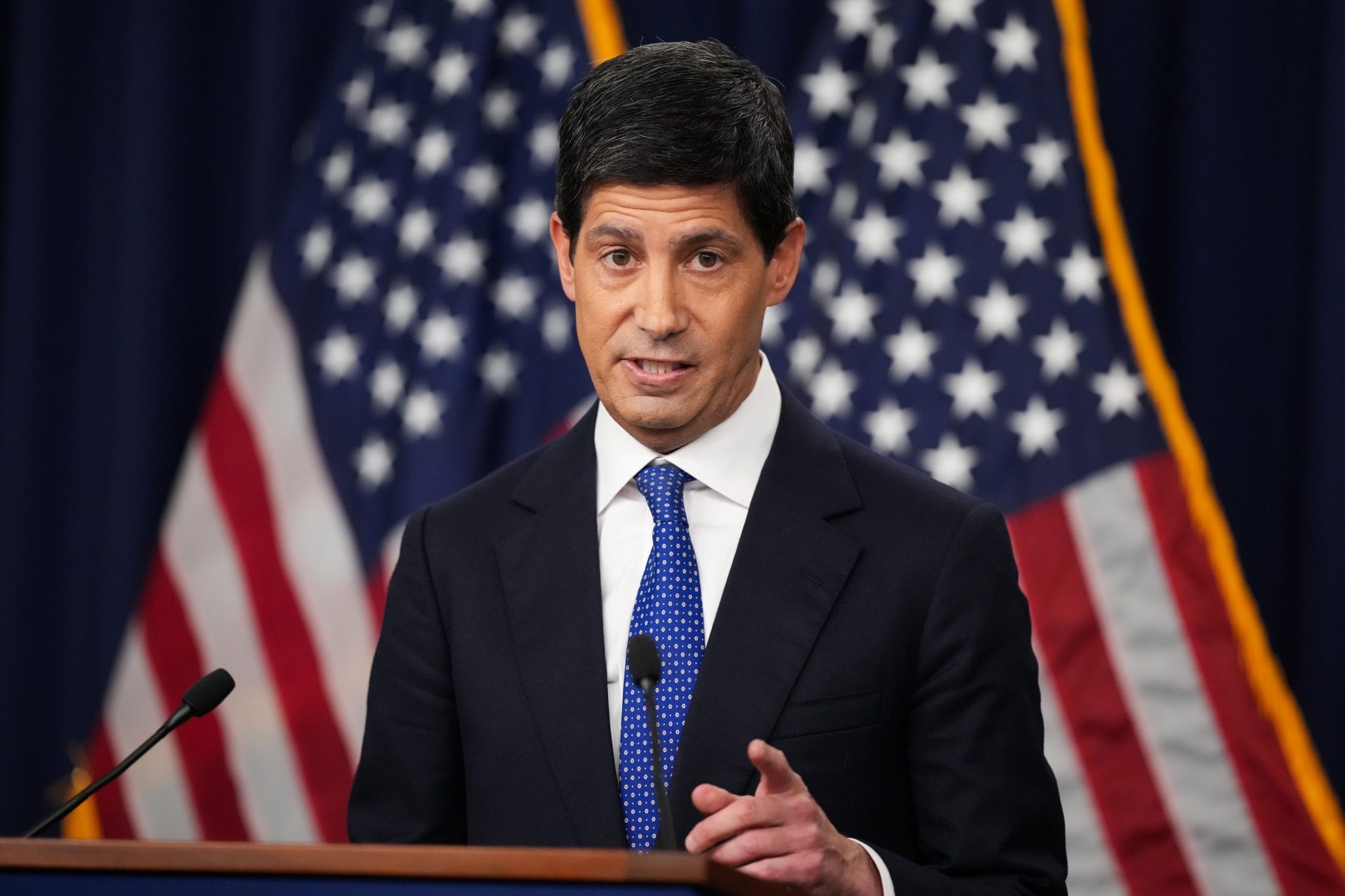
Every aspect of the Federal Reserve’s job requires balance: Even its legal mandate of maximum employment versus inflation at 2% requires a tradeoff between the two when setting the U.S. interest rate.
One conundrum the central bank—specifically, the rate-setting Federal Open Market Committee (FOMC)—must wrangle is the ripple effect that increasing the base rate will have on industries that ultimately trickle back to consumers.
Torsten Slok, chief economist for global asset management giant Apollo, pointed out to clients over the weekend that the Kevin Warsh–led Fed faces a “doom loop” of higher rates leading to higher rents.
He wrote: “When rates are high, builders build less, and when fewer homes and apartments get built, rents go up, which pushes inflation higher and keeps rates high.














