Get all your news in one place.
100's of premium titles.
One app.
Start reading
The Economic Times
The Economic Times
Trending Desk

Kerala reports fresh Nipah Virus case: Check symptoms, ways to prevent and other key details

Kerala has stepped up surveillance measures after the preliminary test of a 43-year-old man from Kozhikode district indicated a possible Nipah virus infection, health officials said on Thursday.

The patient's samples have been sent to the National Institute of Virology (NIV), Pune, for confirmation. Authorities said the final test results are expected soon.

Patient on ventilator support

The man, a businessman from Feroke in Kozhikode district, was initially admitted to a private hospital before being shifted to the Government Medical College, Kozhikode, on Wednesday.

According to health officials, he is currently on ventilator support.

Possible source of infection under investigation

"There is no need for panic at this stage. The patient had recently rented a godown and cleaned it himself. We suspect he may have contracted the infection during that process," Muraleedharan said.

According to the minister, the man initially developed a fever that subsided before returning, leading to his hospitalisation.

"He is engaged in a small-scale business and had taken the godown on rent for that purpose," he added.

How Nipah virus affects the body and brain

After entering the body, the Nipah virus typically begins multiplying in the upper respiratory tract before spreading into the bloodstream. From there, it can reach several organs, including the lungs and heart.

According to neurologist Dr. Deep Das, one of the most concerning characteristics of the virus is its ability to inflame and damage blood vessels. This damage can allow the virus to breach the blood-brain barrier and infect the brain, triggering encephalitis, or inflammation of the brain.

The infection often starts with symptoms such as fever, headache, muscle pain and respiratory problems. As the disease progresses, patients may experience confusion, excessive drowsiness, seizures and even loss of consciousness.

In severe cases, swelling of the brain can interfere with critical functions such as breathing and heart rate regulation. Because of its rapid progression and potentially life-threatening complications, Nipah infection is considered a medical emergency requiring immediate isolation, intensive monitoring and specialised neurological and critical care.

What is Nipah virus?

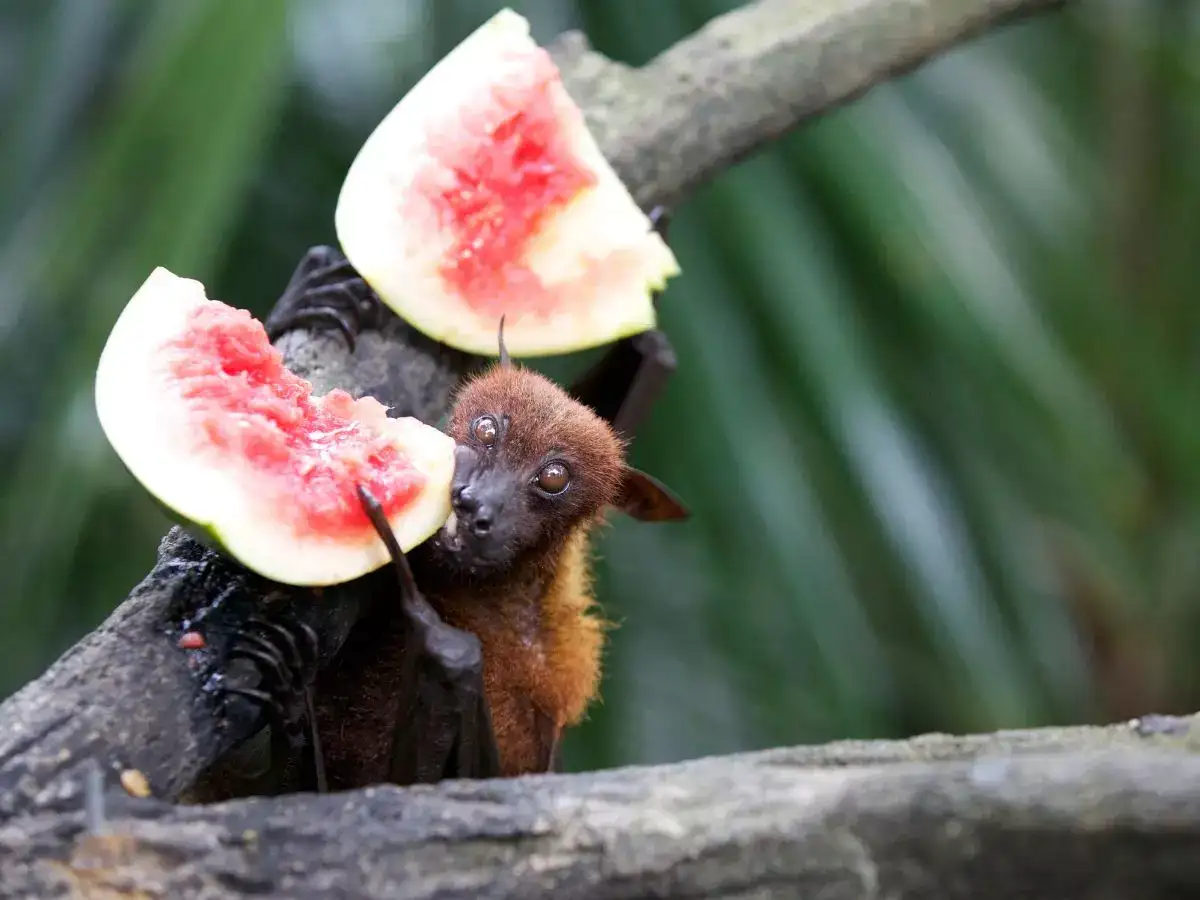
Nipah virus (NiV) is a zoonotic virus, meaning it can spread between animals and humans. According to Kerala's Directorate of Health Services, fruit bats, also known as flying foxes, are the natural reservoir of the virus.

The virus can also infect pigs and humans.

"Infection with NiV is associated with encephalitis (swelling of the brain) and can cause mild to severe illness and even death. Outbreaks occur almost annually in parts of Asia, primarily Bangladesh and India," the health department notes.

Kerala has witnessed multiple Nipah outbreaks since 2018.

How can Nipah infection be prevented?

According to health authorities, people can reduce the risk of infection by avoiding contact with sick pigs and bats in areas where the virus is present and by not consuming raw date palm sap that may be contaminated by infected bats.

"During an outbreak, standard infection control practices can help prevent person-to-person spread in hospital settings," the health department document states.

Muraleedharan is expected to chair a review meeting with health officials on Thursday to assess the situation and determine further action.

Sign up to read this article
Read news from 100's of titles, curated specifically for you.
Already a member? Sign in here
Related Stories
Top stories on inkl right now
One subscription that gives you access to news from hundreds of sites
Already a member? Sign in here
Our Picks
Fourteen days free
Download the app
One app. One membership.
100+ trusted global sources.