Get all your news in one place.
100's of premium titles.
One app.
Start reading
International Business Times UK
Welbert Bauyaban

Keir Starmer Energy Bill Pledge Slammed as 'Complete Scam' Amid New Tax Hikes

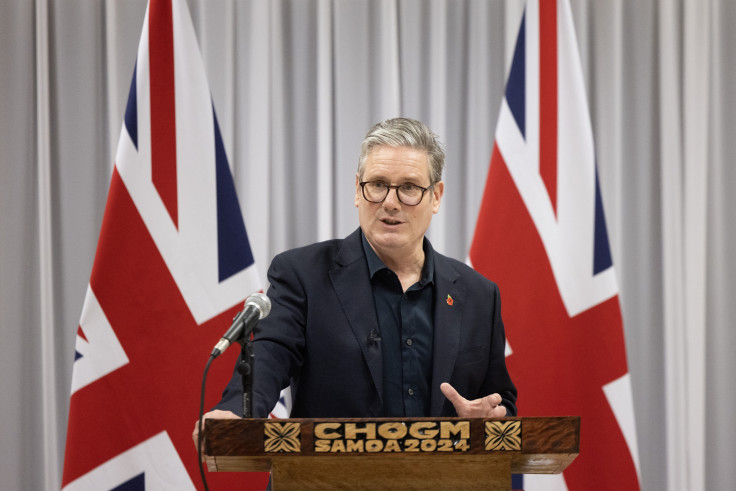
Keir Starmer’s claimed £150 energy bill saving is being condemned as a ‘complete scam’ because it is funded through wider tax hikes that leave many taxpayers worse off overall. (Credit: Number 10, CC BY 2.0 , via Wikimedia Commons)

Keir Starmer's flagship pledge to cut £150 from household energy bills this spring has been branded a 'complete scam' after new figures and frozen tax thresholds revealed that many taxpayers will actually pay more overall from April, according to analysis released this week in the UK. The energy bill pledge, heavily promoted by the prime minister in February as proof he was 'putting money in working people's pockets,' is now being accused of masking a tax shift rather than delivering a genuine saving.

The fanfare began in February when Keir Starmer announced that government action would make energy bills cheaper from April, presenting the move as a major step in tackling the cost-of-living crisis. Downing Street framed it as a £150 cut to typical annual bills, suggesting meaningful relief for millions as wholesale gas prices fell. That headline figure has not lasted long in practice.

When the new prices took effect this month, bills fell by £117 rather than the promised £150. On a basic level, the policy under-delivered on its own terms. Critics argue it also misrepresented what was actually happening. Part of the reduction came from falling wholesale energy prices, shaped by global markets rather than Westminster. The remainder resulted from a policy choice that did not so much reduce costs as reshuffle who pays them.

Rather than scrapping levies on domestic energy, Starmer's government shifted those charges onto general taxation. The prime minister presented this as asking the 'wealthy' to pay their fair share, implying that affluent households and high earners would shoulder the cost of the £150 promise while other households enjoyed cheaper fuel.

Put bluntly, money is being taken from working people through the tax system, partially recycled through lower energy bills, and then presented as a gift from government. The maths may be technically defensible, but it irritates. It is also colliding with another policy that quietly took effect just as households were meant to feel better off.

From the start of the new tax year, the personal allowance has been frozen at £12,570, with higher-rate thresholds also locked in place. Chancellor Rachel Reeves has indicated these freezes will run until 2031. Economists call this fiscal drag: as wages creep up with inflation, more of each pay packet is pulled into taxable territory, pushing people into higher bands without them ever feeling richer.

New research from the Liberal Democrats puts a price on that drag. They estimate taxpayers face an average additional bill of up to £220 this year alone as a result of the frozen thresholds. That sum more than wipes out the supposed £150 gain on energy, which critics argue was never a genuine gain to begin with.

Awkwardly for Starmer, these are precisely the 'working people' he has built his political brand around. Many of those being pushed into paying more tax are not City high‑flyers but mid-career professionals and long-serving public sector staff. Pensioners who spent decades paying into the system also find themselves caught, hardly matching the popular image of a wealthy few.

Energy Bill Pledge Meets Reality of 'Awful April'

The timing has done little to help. The start of the tax year has already been dubbed 'Awful April' by some commentators as a wave of costs rises across the board. In that environment, a policy that touts bill cuts while quietly shifting liabilities elsewhere was always likely to attract suspicion.

Starmer went further than the £150 headline, promising to 'end the era of high bills for good.' That is a lofty claim for any government, let alone one operating in a volatile global energy market and presiding over what many analysts describe as the highest tax burden on record in the UK. With tax thresholds frozen until 2031 and overall receipts expected to rise, it is difficult to see how voters will interpret this era as one of lower bills in any meaningful sense.

The charge from opponents is simple. Starmer is, in their view, taking money from voters with one hand while Reeves reaches into the other, all the while insisting people are better off. Ministers would no doubt argue that shifting green and social levies off bills and into progressive taxation is fairer, and that Britain's fiscal position leaves little room for giveaways. Those points, however, were not the ones presented on the Downing Street podium in February.

For now, nothing in the numbers suggests households are seeing the clear‑cut £150 benefit originally promised. The reduction on energy direct debits is real enough, but so is the creeping tax take that underwrites it. With local elections looming next month, voters will decide whether they feel conned or simply caught in the crossfire of an unavoidably tight budget.

Starmer's Tax Gamble and the Risk to Trust

Trust is ultimately what is at stake. The prime minister might argue that the overall package is redistributive and that defining 'wealthy' more broadly is a political choice rather than a deception. Yet once large swathes of ordinary taxpayers discover they have been recast as the comfortable few, the semantics start to look less like spin and more like a trap.

The government insists the approach is sustainable and necessary. Critics argue the headline promise was designed to sound more generous than the policy beneath.

Whatever the verdict at the ballot box, the £150 energy bill pledge is rapidly becoming a case study in how a neat number can unravel when it collides with the fine print of the tax system and the lived reality of a squeezed electorate.

Sign up to read this article
Read news from 100's of titles, curated specifically for you.
Already a member? Sign in here
Related Stories
Top stories on inkl right now
One subscription that gives you access to news from hundreds of sites
Already a member? Sign in here
Our Picks
Fourteen days free
Download the app
One app. One membership.
100+ trusted global sources.