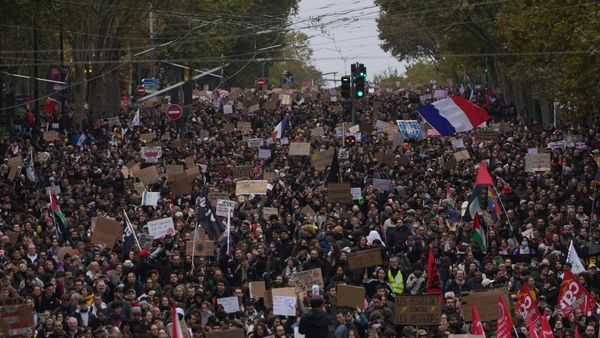
Political conflicts and global tensions always affect people on the ground and across borders. Unable to influence events such as the ongoing war against Ukraine or proposed sweeping US tariffs, people turn to whatever resources are available for defending their livelihoods, institutions and communities.
This explains the recent surge of boycotts and “buycotts” where consumers swerve a brand or actively support it for political reasons. For example, shoppers across the world are replacing US goods with local alternatives to protect national pride and economies.
In the early days of Russia’s 2022 full-scale invasion of Ukraine, shoppers were making similar public commitments to boycott Russian products.