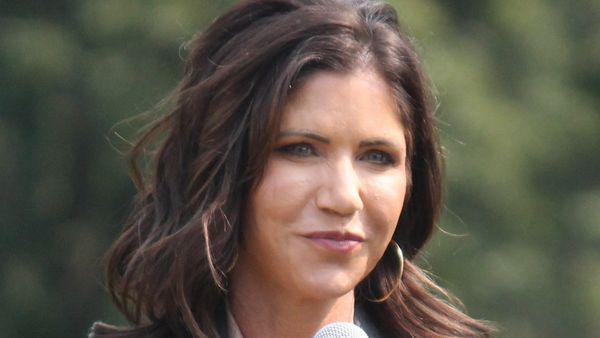
FBI Director Kash Patel and country singer Alexis Wilkins announced their engagement on Sunday, 4 October, after more than three years together. Wilkins, 27, shared a black-and-white photograph on X showing the couple and her engagement ring, accompanied by the caption, 'Went and got the law involved.' Patel, 46, reposted the announcement.
The announcement follows scrutiny of FBI security arrangements involving Wilkins and questions about Patel's leadership during a September Senate oversight hearing. The FBI has also released a classified report to its workforce examining episodes in the bureau's history when it says the institution 'fell short'.

Patel and Wilkins Confirm Engagement
Patel and Wilkins met at an event in Nashville in 2022 and began dating in early 2023, according to accounts of their relationship. Wilkins has previously said they met at an event at a friend's house in Nashville in late 2022 and began dating several months later.
Wilkins is a country singer and political commentator who released her debut album, 'Grit', in 2023. She attended Patel's ceremonial swearing-in after he became FBI director in February 2025, following his nomination by President Donald Trump and confirmation by the Senate.
Their relationship attracted additional attention after reporting about the use of FBI personnel to provide Wilkins with protection and transportation.
Security Arrangements Draw Scrutiny
The New York Times reported on 28 February that Patel had assigned four agents to provide full-time protection for Wilkins. The newspaper reported that the agents had transported her to appearances in Britain, Illinois and Nashville. The account raised questions about the use of federal personnel for the director's girlfriend.
On 22 April, The New York Times reported that the FBI had investigated whether its reporter, Elizabeth Williamson, violated federal anti-stalking laws after she wrote about the security arrangements. The newspaper said agents had searched federal databases for information about Williamson and recommended further inquiry, but that Justice Department officials blocked the investigation from proceeding.
The FBI said agents had interviewed Wilkins after she expressed concern about a death threat she received following publication of Williamson's article. FBI spokesperson Ben Williamson said investigators were concerned that the reporting techniques may have crossed into stalking, but that no further action was taken against Williamson or her reporting.
The accounts differed over the characterisation of the FBI's actions. The New York Times described the episode as an investigation of its reporter, while the FBI said its involvement arose from Wilkins' report of a death threat. The available reporting indicates that Wilkins, rather than Williamson, was interviewed by FBI agents.
Senators Question FBI Leadership
At a Senate Judiciary Committee hearing on 15 September, Democratic senators questioned Patel about personnel changes and the FBI's potential role in monitoring the November midterm elections.
Senator Peter Welch asked Patel whether FBI agents would be sent to polling places. Patel said the bureau had an election-crimes coordinator in each of its 56 field offices and said the coordinators would be involved in election-interference matters. Senator Richard Blumenthal separately pressed Patel on whether the FBI had legal authority to deploy agents to polling locations.
Patel declined to give the unequivocal assurance sought by Blumenthal that FBI agents would not be deployed to polling sites. He said he did not know whether such a deployment would be legally prohibited, while stating that FBI agents and intelligence analysts would be based in field offices to address election-security issues.
The hearing did not establish that the FBI had adopted a plan to station agents inside polling places. However, Patel's remarks prompted questions from Democratic senators over the bureau's role in the elections.
Patel has also disputed allegations published by The Atlantic in April concerning his conduct, including allegations of excessive drinking and unexplained absences. He denied the claims and filed a defamation lawsuit against the magazine and reporter Sarah Fitzpatrick on 20 April, seeking $250 million (£185 million) in damages.
In July, The Atlantic and Fitzpatrick asked a federal court to dismiss the lawsuit, arguing that Patel had not adequately established the legal standard required for his defamation claims. The case remained pending, and the motion to dismiss had not resolved the allegations.
FBI Reports Decline in Crime
FBI figures released on 14 August estimated that violent crime fell by 9.3% in 2025 compared with 2024. The bureau described the decline as the largest year-to-year decrease in violent crime rates since it began estimating national crime trends in 1936.
The FBI reported an estimated 18.1% decline in murder and non-negligent manslaughter, an 18.5% decline in robbery, a 7.6% decline in rape and a 7.2% decline in aggravated assault.
The national estimates draw on information submitted by law-enforcement agencies across the country. The figures do not isolate the contribution of an individual official or establish that Patel's leadership caused the decline.
Classified Report Examines Bureau's Past
On 2 October, the Associated Press reported that the FBI had released a classified report to its workforce examining chapters in the bureau's history 'where this institution fell short'.
An internal message to employees signed by co-deputy directors Christopher Raia and Andrew Bailey referred to the document as the 'Patel Report'.
The report's specific historical subjects had not been publicly identified. It was also unclear whether the document contained recommendations or called for further action to address the shortcomings it examined.
The FBI declined to comment publicly on the report, according to AP. The document was released to the bureau's workforce rather than made publicly available, and its classification means its contents have not been disclosed.