Get all your news in one place.
100's of premium titles.
One app.
Start reading
The Conversation
The Conversation
Charles Edward Gehrke, Deputy Division Director of Wargame Design and Adjudication, US Naval War College

Journalism may be too slow to remain credible once events are filtered through social media

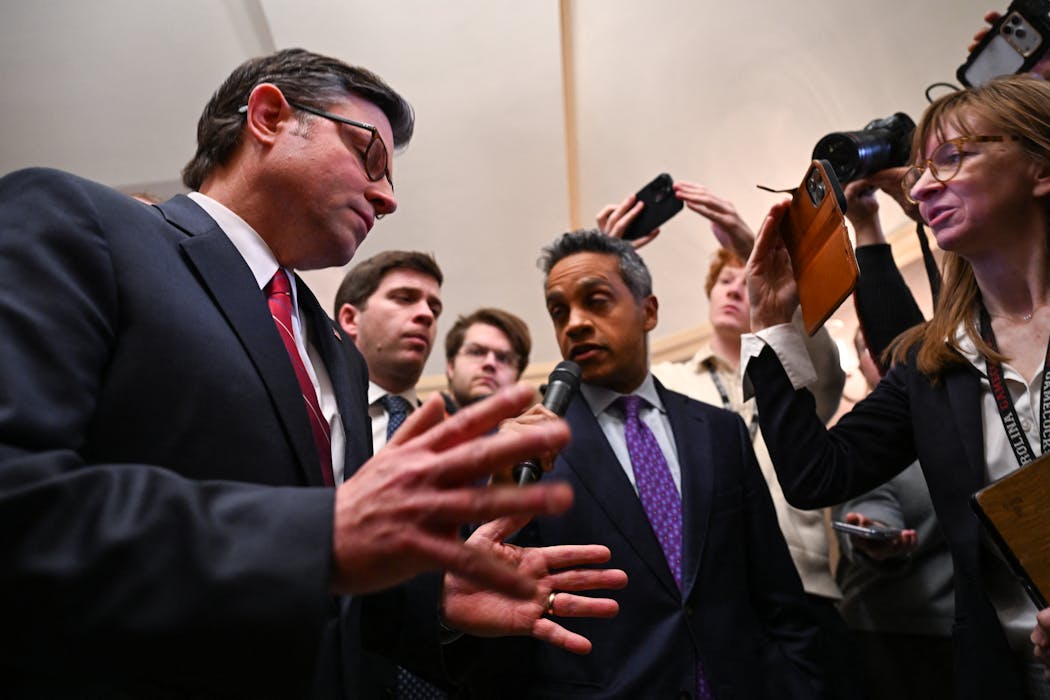
House Speaker Mike Johnson updates reporters about budget talks on Capitol Hill. AFP/Roberto Schmitt via Getty Images

In the first weeks after Russia’s invasion of Ukraine in 2022, a strange pattern emerged in Western media coverage. Headlines oscillated between confidence and confusion. Kyiv would fall within days, one story would claim, then another would argue that Ukraine was winning. Russian forces were described as incompetent, then as a terrifying existential threat to NATO.

Analysts spoke with certainty about strategy, morale and endgames, but often reversed themselves within weeks. To many news consumers, this felt like bias – either pro-Ukraine framing or anti-Russia narratives. Some commentators accused Western media outlets of cheerleading or propaganda.

Sign up to read this article
Read news from 100's of titles, curated specifically for you.
Already a member? Sign in here
Related Stories
Top stories on inkl right now
One subscription that gives you access to news from hundreds of sites
Already a member? Sign in here
Our Picks
Fourteen days free
Download the app
One app. One membership.
100+ trusted global sources.