Curbing the spread of anti-Semitism remains a focus for the prime minister as he faces growing pressure for a royal commission into the Bondi terror attack.
Anthony Albanese told reporters on Saturday safety and other community support measures continue to be rolled out, adding the National Security Committee had met seven times.
It comes as Jewish leaders called for the prosecution of hate speech and incitement to be prioritised as authorities vow to crack down on anti-Semitism.
NSW Premier Chris Minns told reporters on Saturday there was a need for a royal commission.
"We need a royal commission right now, we've got bits and pieces of the jigsaw puzzle here but we don't have the full picture," he said.
"And until we've got a full and accurate picture of exactly how this happened with a plan to ensure that it doesn't happen again."
Mr Albanese said while he would have more to say at a later date, he would stand behind any decisions made by the NSW government.
Although Opposition Leader Sussan Ley called for a commonwealth royal commission, she added that immediate action was also needed.
"It must investigate the rise of anti-Semitism, government inaction that allowed hideous anti-Semitism to fester in the days, weeks, months and years since 7 October 2023 ... as well as the effectiveness and powers of Australia's counter-terrorism system," she said in a statement on Saturday.
Home Affairs Minister Tony Burke has pledged to lower the threshold for hate speech to the absolute legal limit to defeat any free speech challenge following Bondi's deadly terror attack.
Australian Federal Police Commissioner Krissy Barrett says the expanded legislation will make it easier to prosecute offenders.
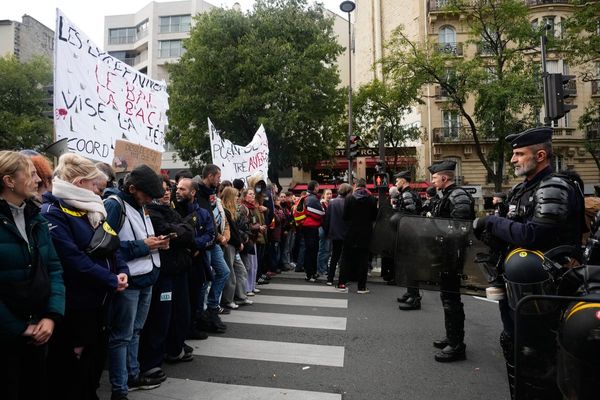
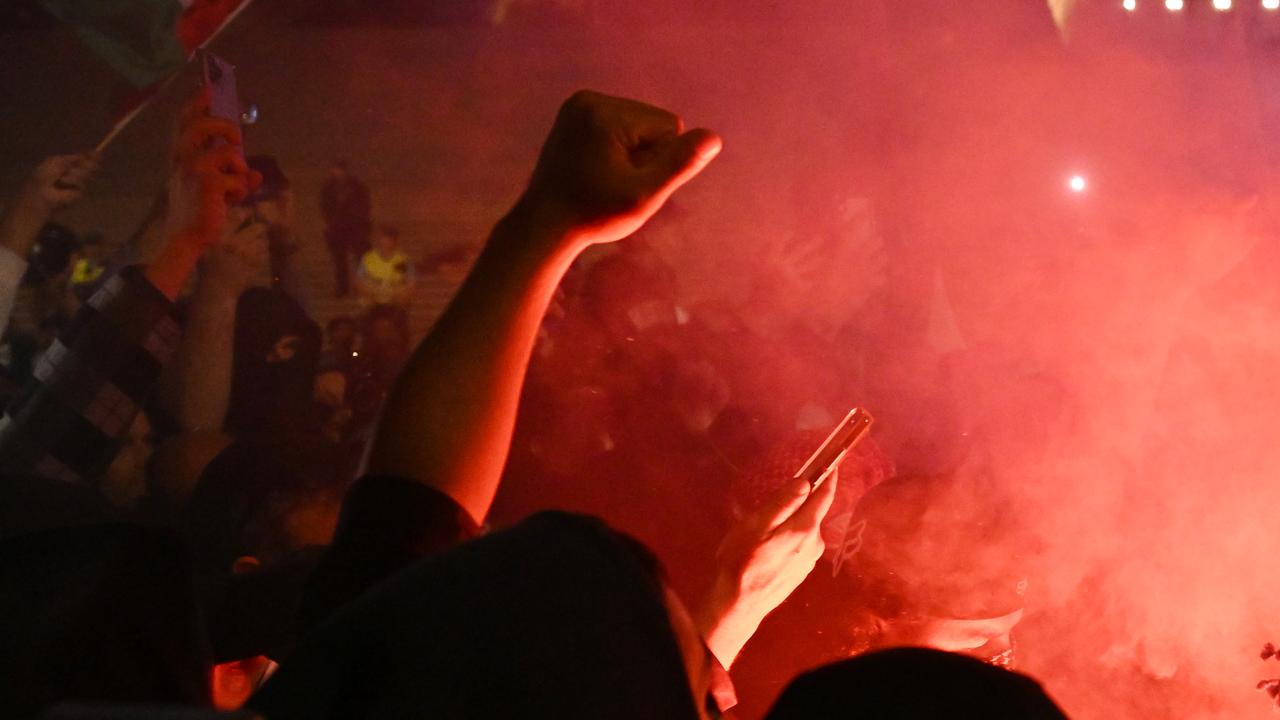
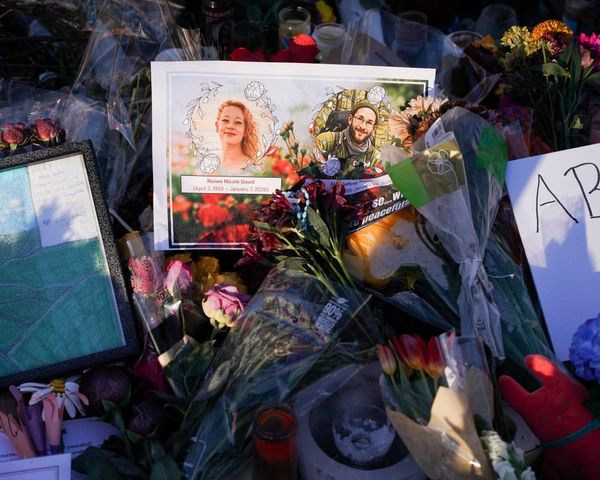
The push follows an eruption of Jewish community anger over what it says is a lack of prosecutions related to hate preachers and displays of Nazi symbols, in the wake of Sunday's atrocity.
The Australia/Israel and Jewish Affairs Council says enforcement should be prioritised and a crackdown waged on extremism, racial vilification and those causing harm to social cohesion.
"Police must be expected to rigorously enforce existing and new legislation that bans hate speech and terrorist or Nazi symbols," it said in a statement.
"State and federal governments must prioritise enforcement by ensuring police receive proper training, education and internal support to apply these laws effectively when laying charges."
The council also wants courts to apply the full force of penalties.
Ms Barrett said four people had been charged with anti-Semitism offences by federal investigators specifically tasked with tackling politically motivated violence.
A boost to their numbers and the lowering of the legal threshold would mean police would act more quickly.
Anti-Semitism education should be mandatory in schools with scrutiny over how the Israel-Palestine conflict is taught, the council said.
"Schools that teach hatred should lose funding.
An anti-Semitism education task force led by the author of a landmark review of school funding has also been convened.
David Gonski oversaw Friday's first meeting, as the task force conducts a 12-month education review to ensure the system adequately prevents and responds to anti-Semitism.
National Student Ombudsman data reveals 231 complaints of discrimination, racism or inadequate support on Australia's university campuses since February.
Of them, 71 related to race or religion and 23 to experiences of anti-Semitism, with a formal investigation into one of the matters underway.
The Australia/Israel and Jewish Affairs Council has joined calls for federal parliament to be recalled to address the hate speech law changes as a matter of urgency.
Liberal frontbencher Angus Taylor says there's no reason this can't be done before Christmas.
However Mr Albanese has indicated this won't happen, as the reforms are complex and need to withstand High Court challenges.