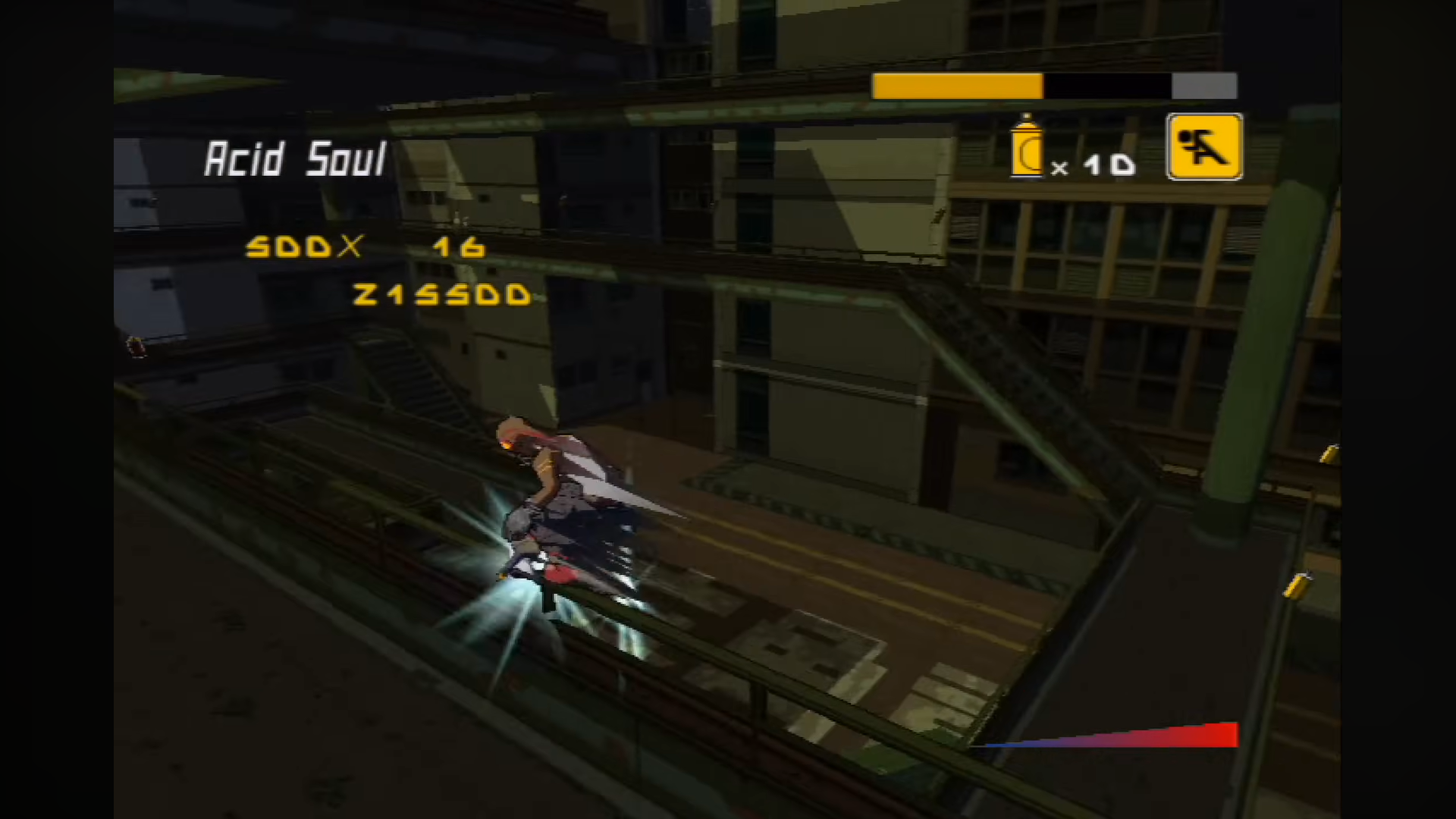

If you’ve never played this game or haven’t picked it up for a while, do yourself a favor and dive back in. Jet Set Radio Future dropped in 2002 by Smilebit and Sega, and it’s way more than just a sequel to the 2000 cult hit Jet Set Radio.

It’s a full-on attitude bomb from the second you hit the loading screen. It’s got that raw, rebellious energy with graffiti crews skating through a neon Tokyo, dodging cops and rival gangs. It’s chaos, but the kind you want to be a part of.
Attitude From The Jump

Forget about just the gameplay for a second. The artistic style is what puts Jet Set Radio Future in its own league. Everything from the art style, music, visuals, and narrative is lightyears ahead for its time and still holds up against modern games today.
Each scene is like someone spray-painted their dreams onto your screen. The city’s alive, and the colors are vibrant, complemented by Tokyo streets that twist into highways, rooftops, and sewers like a living skate park. The camera follows your tricks seamlessly, making every grind and wall-ride feel epic.
No clunky animations, even for a 2002 game: the gameplay is smooth, and every character drips personality. From protagonist Beat to the punk-rock cohorts like Yoyo, it’s attitude in motion, not just pixels.
Soundtrack Elevates Gameplay
Soundtrack is another huge selling point for this game, and it’s apparent that Hideki Naganuma made something legendary here. That funky J-pop, hip-hop, and nu-metal mixes make every beat hit differently. Tracks like “Let Mom Sleep” or “Super Brothers” pump you up and make every chase feel intense.
The music matches your moves, syncing with your skating rhythm, turning combos into a full-on rave. There’s no denying that sports games today have some amazing soundtracks too, but they’re just playlists.
Jet Set Radio Future uses its tunes like a weapon instead, making you feel like you can outrun anything. Naganuma’s work influenced a lot, such as indie hits like Sayonara Wild Hearts. If you ask me, nothing feels outdated about it, even in 2026.
Story With Real Edge
The narrative steals it, simple yet solid. You’re part of the GG crew battling against the Joki Expansion Project, basically bad guys trying to mind-control Tokyo and turn it into a dystopian nightmare.
There are corrupt cops, crazy gangs, turf wars, all that grim stuff. Narrative’s conveyed through quick cutscenes, graffiti tags, and taunts in a way that doesn’t feel stretched. You recruit new skaters, unlock unique rides, and tag the city up to claim spots.
It’s got that underdog energy sports fans crave, but in a looser, more fun, and way less buttoned-up way than most games.
Mechanical Excellency

Mechanically, it doesn’t fall back either, but what sets the game apart is its attitude. Spray cans are your ammo, so you’re always hustling for more. Cops come at you harder every time, starting from bikes all the way up to tanks.
Multiplayer blasted back in the day, with deathmatch and turf modes, which were perfect for small LAN parties. However, there’s still a ton to find and do: hidden graffiti souls, time trials, and all that replayability that keeps you coming back for more.
Why It Beats Modern Sports Sims
Modern sports games lean towards sim realism, think Skate 4, NBA 2K, all those. However, they play it safe, never really going out of their comfort zones. Jet Set Radio Future doesn’t care about “safe”; it’s all about experimental controls, no hand-holding tutorials, and jump-in fun.
The game didn’t sell exceptionally well back then, but its cult status exploded online, and for good reason. Fire it up on Xbox backward compatibility or an emulator, and you’ll still carve a fun experience just as you could back then.