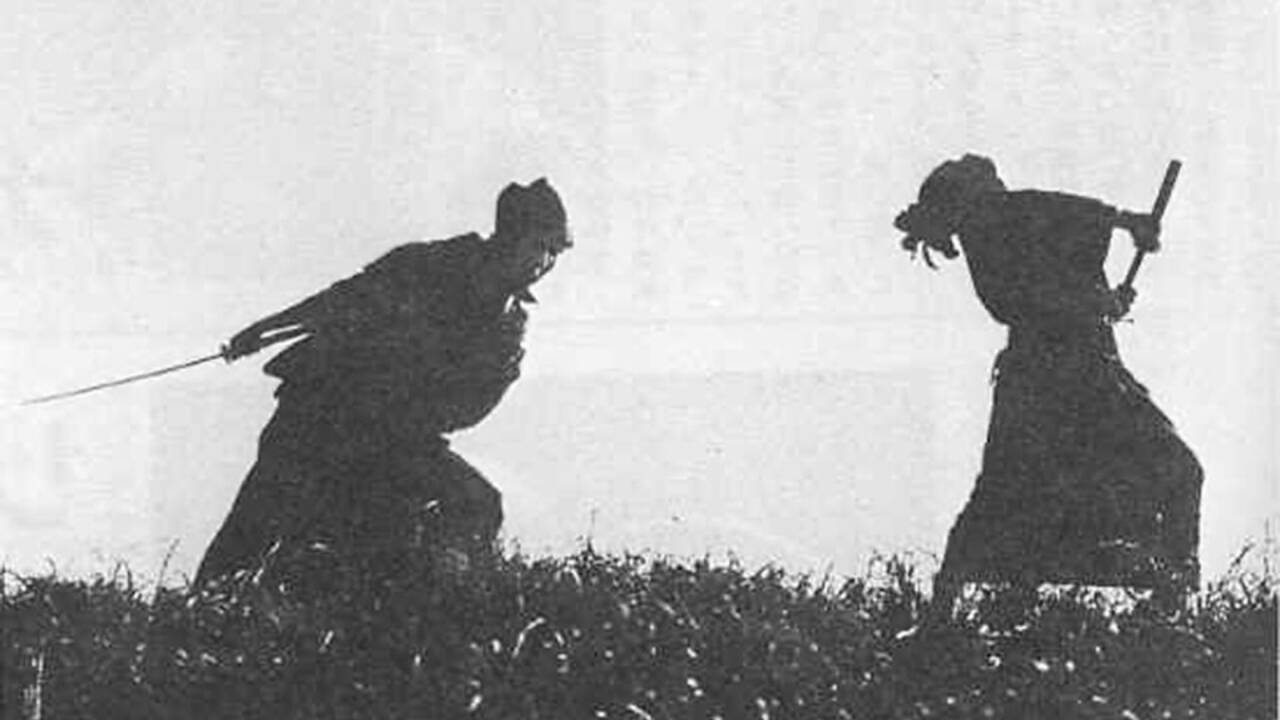
A long time before dialogue became an integral part of cinema, audiences around the world relied on live musicians and title cards to follow along with the silent films. However, these silent films saw a different kind of evolution in Japan, which set it apart from Hollywood and much of the rest of the world. The Japanese theatres hired benshi, professional live narrators who stood beside the screen and voiced every character, instead of just letting their audience interpret scenes on their own. The benshi explained the plot and added dramatic commentary, eventually transforming silent films into theatrical events, giving the audience an experience that was more about the storyteller than the movie itself. Notably, according to many film historians, the benshi tradition became so influential that many people attended theatres in hopes of listening to famous narrators rather than watching the movie. Japan’s benshi, therefore, played an active role in shaping how the audiences understood and emotionally responded to a story, unlike Western silent films, where musicians typically accompanied the films.
Get breaking news anytime, anywhere. Download the TOI app now!

Who were the benshi in the Japanese film industr y
The term benshi was used for narrators who accompanied silent films in Japanese cinemas from the late 19th century until the arrival of the sound film industry in the 1930s. The benshi used to stand beside the movie screen and narrate the scenes, perform dialogues for multiple characters, and interpret emotions shown, and sometimes even alter the tone or meaning of a film through their delivery. According to historian Jeffrey A. Dym, as mentioned in his study titled Benshi and the Introduction of Motion Pictures to Japan, benshi drew inspiration from past Japanese storytelling traditions, including rakugo, kodan, and joruri narration. Therefore, this cultural connection also played a crucial role in making the audience embrace cinema not as a completely new medium but as an extension of familiar theatrical performances.
On the other hand, American and European silent films largely relied on visual storytelling that was usually supported by an orchestra and pianists. This is what made the Japanese silent film industry stand out, with the benshi becoming an interpreter between the film and the audience, often explaining cultural references, expanding character motives, and adding humour or suspense that was likely missing in the original production. Notably, this also meant that the same film could feel different depending on which benshi performed it, with some narrators even becoming celebrities in their own right, attracting loyal followers who attended screenings to specifically hear their narrations. Film scholars note that this unique connection between the audience and the benshi gave Japanese silent cinemas a distinct edge over the West.
How benshi helped shape the film industry
The impact of benshi extended beyond the cinema halls, as filmmakers knew their work would be accompanied by live narration; many Japanese films contained fewer explanatory title cards than their Western counterparts. Directors, therefore, could rely on benshi to provide context, explain complex scenes or communicate emotions through dialogues that never appeared on the screen. According to Dym’s research, this close relationship between benshi and the audience played an important role in the evolution of Japanese cinema.
It is worth noting that the ‘talkies’ began replacing silent films in Hollywood during the late 1920s; Japan, however, adopted sound cinema more slowly than the West. Many historians attribute this gradual transition to the enduring popularity of benshi, whose performances remained a major attraction even after sound technology became widely available. Many cinema owners were reluctant to abandon the well-known format, which continued to draw more audiences. Alongside the cinema owners, many benshi who became influential public figures themselves resisted the rapid transition to recorded dialogue. As a result, silent films accompanied by live narrations continued to flourish in Japan well into the 1930s, years after they had largely disappeared in Western countries.