
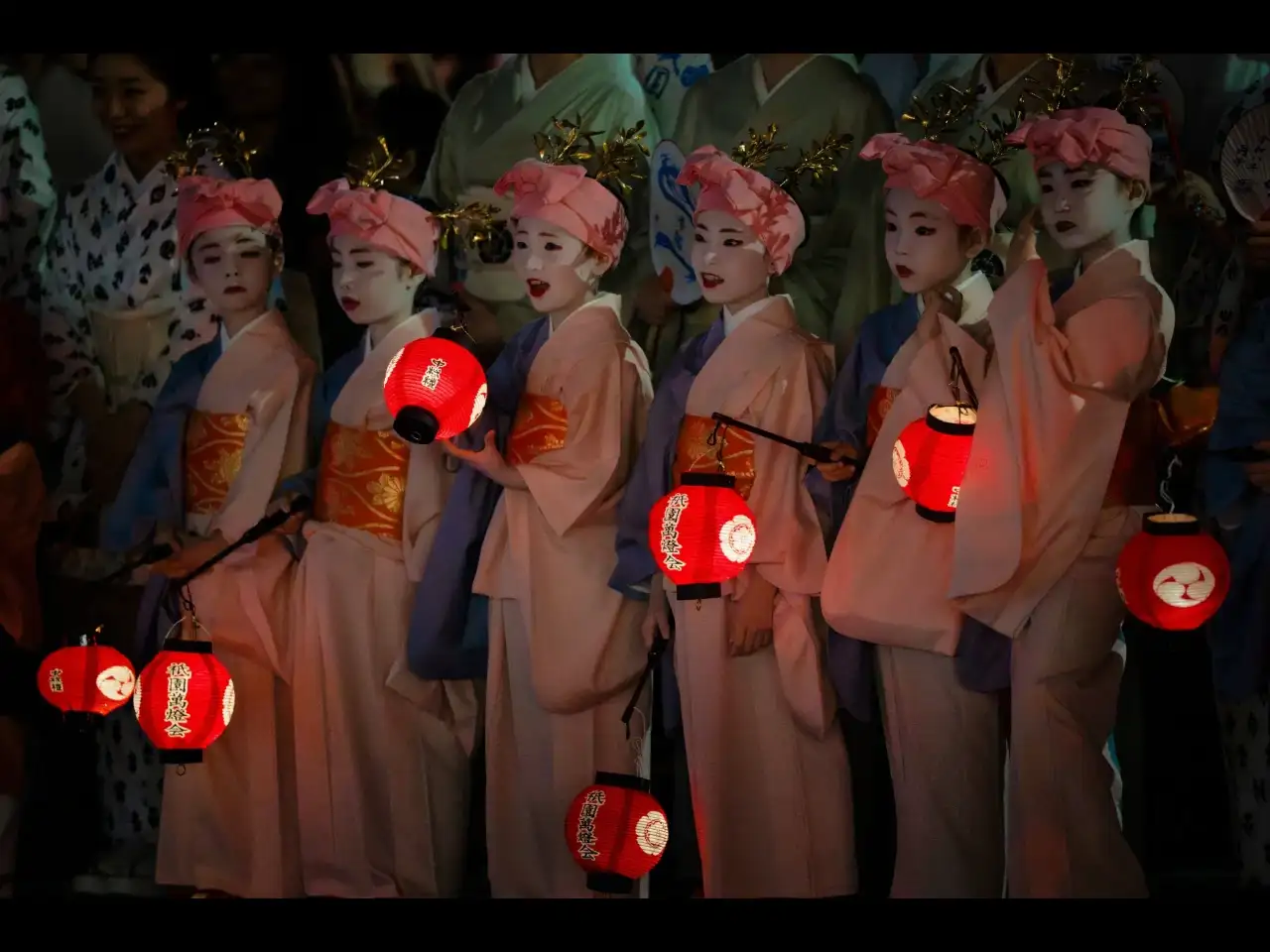
Japanese mindset is known for turning a disaster or calamity into an opportunity. There’s a special moment when Katsushi Horikawa feels closer to the gods. It comes as he rides atop one of the towering floats pulled through the streets in a centuries-old procession in Japan. This is the Gion Matsuri festival, born more than 1,000 years ago as a ritual to ward off epidemics and celebrated in the former imperial city of Kyoto throughout July. The parades — accompanied by dances, music and song — draw large crowds and tourists every year. The biggest floats can weigh up to 12 tons. Yet behind the festive atmosphere lies a tradition rooted in the worship of deities and rituals of protection.
“Those performances are not meant primarily for the entertainment of people,” said Fabio Rambelli, a religious studies professor at the University of California, Santa Barbara. “They are offerings to the gods,” Rambelli said.