Get all your news in one place.
100's of premium titles.
One app.
Start reading
The Economic Times
The Economic Times
Shreya Biswas

Japanese mindset of the day by Jun'ichirō Tanizaki: 'The older we get the more we seem to think that everything was...' - thought-provoking life lessons by The Makioka Sisters author on living in the moment and why we believe the past was better than the present

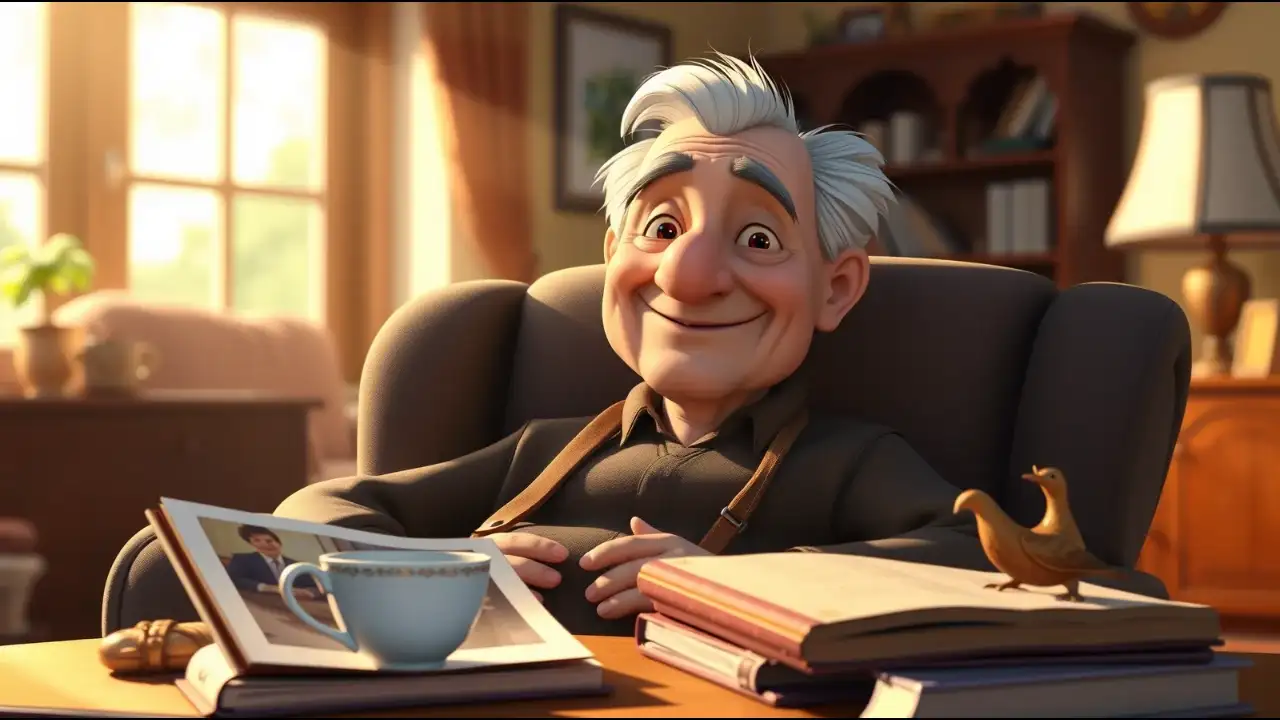
Life lesson by Jun'ichirō Tanizaki : People often look back on the past with a sense of nostalgia. Childhood memories, old friendships, earlier stages of life, or even past traditions can seem more meaningful as time passes. It is easy to believe that life was simpler, happier, or better "back then." While reflecting on the past can bring comfort, constantly comparing the present with an idealized version of yesterday can make it harder to appreciate the opportunities and experiences that exist today.

Life lesson by Jun'ichirō Tanizaki: Why thinking of the past can keep us from appreciating the present

Today's Japanese lesson by Jun'ichirō Tanizaki is, "The older we get the more we seem to think that everything was better in the past," as per Goodreads.

Japanese mindset of the day: What does Jun'ichirō Tanizaki's quote mean

Tanizaki's quote highlights a common human tendency to view the past through a nostalgic lens. As people grow older, they often remember joyful moments more vividly than the difficulties they once faced. This can create the impression that earlier times were better than the present.

READ ALSO: Japanese mindset of the day by Kakuzō Okakura: 'We must know the whole play in order to properly act our parts, the conception of...' - inspiring life lessons by Japanese scholar and The Book of Tea author on perspective, better decisions and why success begins when you see the whole picture

Why living in the present matters

The quote reminds us that while the past holds valuable memories and lessons, it should not prevent us from appreciating the present. Every stage of life brings its own opportunities, relationships, and experiences. Focusing only on what has been lost can make it harder to recognize what still exists.

What today's Japanese mindset teaches about perspective

Tanizaki encourages people to balance gratitude for the past with openness to the present. Nostalgia can be meaningful, but personal growth comes from embracing each chapter of life rather than believing the best days are already behind us. His words remind us that happiness is not found only in memories but also in how we choose to experience today.

READ ALSO: Japanese mindset of the day by Kenzaburō Ōe: 'Once a person has been poisoned by self-deception, he can't make decisions about...' - thought-provoking lesson by Nobel Prize-winning author of A Personal Matter reveals the hidden habit that could be ruining your life

Who was Jun'ichirō Tanizaki

Jun'ichirō Tanizaki (1886–1965) was a major Japanese novelist known for his writing marked by eroticism and ironic wit. Born in Tokyo, he later shifted his focus to traditional Japanese ideals after moving to Osaka in 1923, as per a Britannica report.

Jun'ichirō Tanizaki's notable works

His best-known works include Some Prefer Nettles (1929) and The Makioka Sisters (1943–48). He also translated The Tale of Genji into modern Japanese, a project that greatly influenced his later writing.

READ ALSO: Japanese mindset of the day by Yukio Mishima: 'Young people get the foolish idea that what is new for them must be new for...' - thought-provoking life lessons by Confessions of a Mask author explains why every generation repeats the past and why new ideas aren't always original

Jun'ichirō Tanizaki's legacy

His later works, including The Key and Diary of a Mad Old Man, revisited themes of eroticism. Tanizaki's writing has been described as a literary quest for "the eternal female," as per the Britannica report.

Famous Quotes by Jun'ichirō Tanizaki

Here are a few more quotes by Jun'ichirō Tanizaki.

  • “We Orientals tend to seek our satisfactions in whatever surroundings we happen to find ourselves, to content ourselves with things as they are; and so darkness causes us no discontent, we resign ourselves to it as inevitable. If light is scarce, then light is scarce; we will immerse ourselves in the darkness and there discover its own particular beauty. But the progressive Westerner is determined always to better his lot. From candle to oil lamp, oil lamp to gaslight, gaslight to electric light—his quest for a brighter light never ceases, he spares no pains to eradicate even the minutest shadow,” as per Goodreads.
  • “The ancients waited for cherry blossoms, grieved when they were gone, and lamented their passing in countless poems. How very ordinary the poems had seemed to Sachiko when she read them as a girl, but now she knew, as well as one could know, that grieving over fallen cherry blossoms was more than a fad or convention,” as per Goodreads.
  • “In the mansion called literature I would have the eaves deep and the walls dark, I would push back into the shadows the things that come forward too clearly, I would strip away the useless decoration. I do not ask that this be done everywhere, but perhaps we may be allowed at least one mansion where we can turn off the electric lights and see what it is like without them,” as per Goodreads.
READ ALSO: Japanese mindset of the day by Kazuo Ishiguro: 'We all live inside bodies that will deteriorate. But when you look at human beings, they're...' - inspiring life lessons by Nobel Prize-winning author of The Remains of the Day teaches why love and loyalty matter more than wealth or status
Sign up to read this article
Read news from 100's of titles, curated specifically for you.
Already a member? Sign in here
Related Stories
Top stories on inkl right now
One subscription that gives you access to news from hundreds of sites
Already a member? Sign in here
Our Picks
Fourteen days free
Download the app
One app. One membership.
100+ trusted global sources.