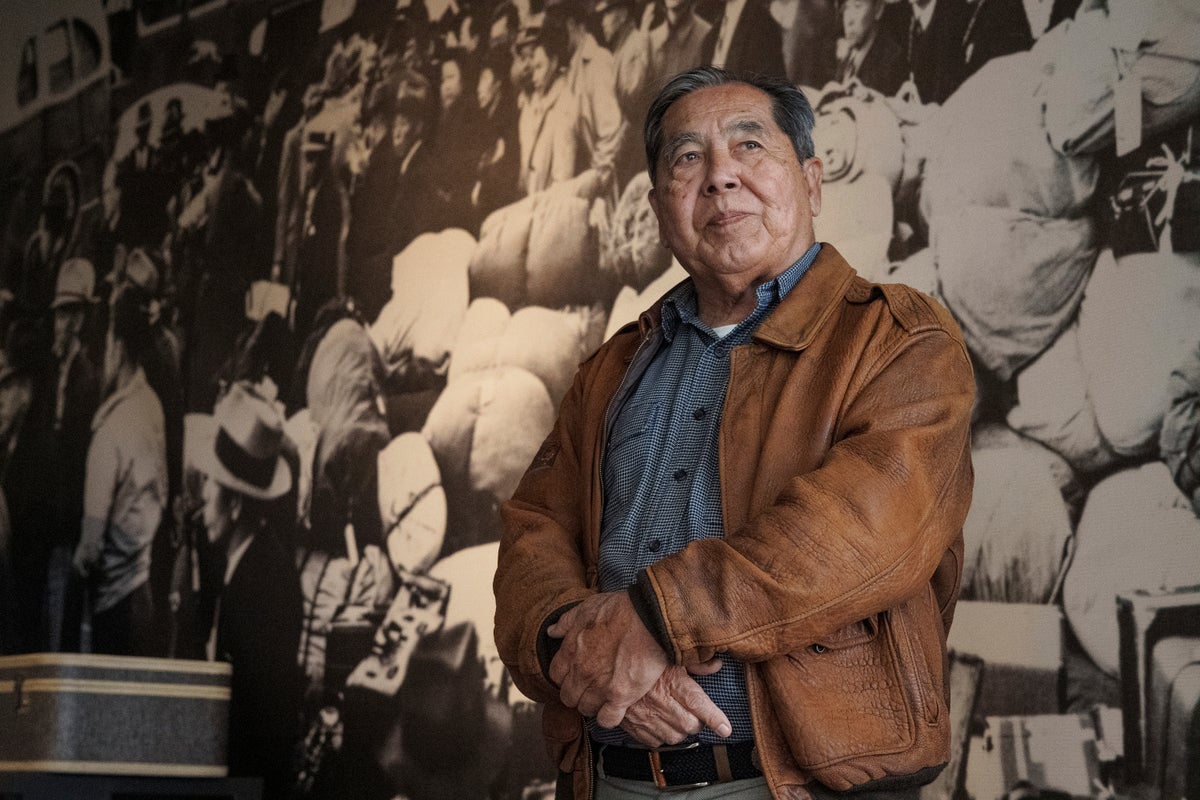
When Miya Iwataki and other Japanese Americans fought in the 1980s for the U.S. government to apologize to the families it imprisoned during World War II, Black politicians and civil rights leaders were integral to the movement.
Thirty-five years after they won that apology — and survivors of prison camps received $20,000 each— those advocates are now demanding atonement for Black Americans whose ancestors were enslaved. From California to Washington, D.C., activists are joining revived reparations movements and pushing for formal government compensation for the lasting harm of slavery's legacy on subsequent generations, from access to housing and education to voting rights and employment.