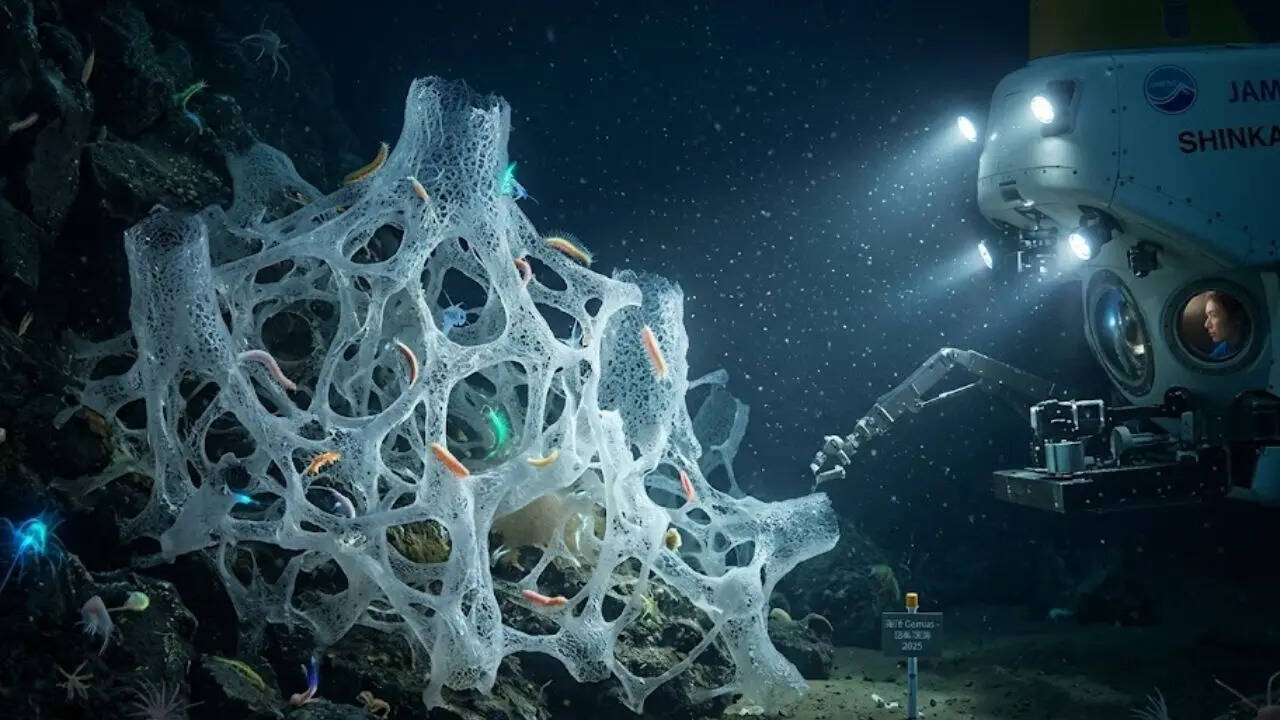
A groundbreaking advancement in marine biology occurred with the identification of 38 new marine species collected from the deep waters around Japan! The research, conducted by the Nippon Foundation - Nekton Ocean Census and JAMSTEC as part of their ongoing expeditionary program, began with the examination of the Nankai Trough and Shichiyo Seamount Chain in 2025. Approximately 5,000 meters below sea level, researchers discovered the ‘Glass Castle’ comprised of the delicate silica skeletons of hexactinellid sponges. These shimmery sponges provide living space for organisms that had never been recorded before.
Using cutting-edge submersibles (manned and unmanned) and DNA sequence technology, researchers were able to evaluate an area that comprises one of the last frontiers of our planet to be evaluated for marine biodiversity - the deep sea. The results demonstrated that the complexity and abundance of life in the deep sea are far greater than anyone has ever anticipated. The study underscores the necessity for global ocean conservation as the evidence of vulnerability of these ecosystems necessitates immediate global protection. This discovery highlights the urgent need to safeguard these fragile, alien landscapes before human activity disrupts their ancient biological harmony.