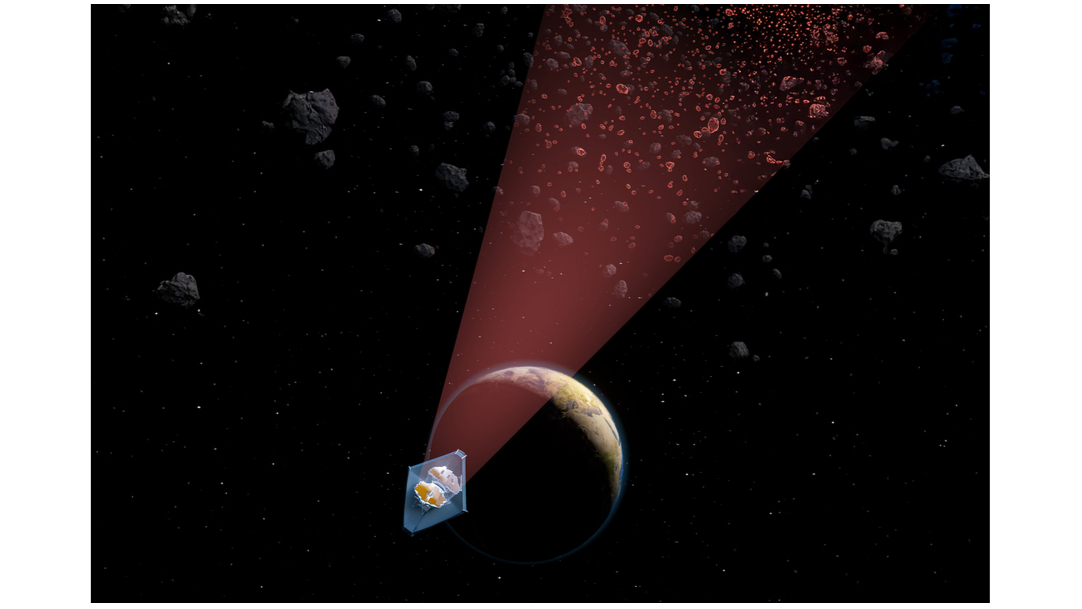
By reverse-engineering James Webb Space Telescope (JWST) exoplanet data, a team of astronomers just spotted dozens of tiny asteroids — including the smallest ever seen in the main belt between Mars and Jupiter.
The asteroids that are mostly likely to hit Earth aren't huge planet-killers, but smaller chunks of rock tens of meters wide — just big enough to wreak havoc on a city or a region. There are many more of these small asteroids, and they're more likely than their larger brethren to get nudged out of the main asteroid belt and migrate inward toward Earth. And because they're so small and hard to spot, astronomers might not see the next Chelyabinsk or Tunguska object coming until it's right on top of us.