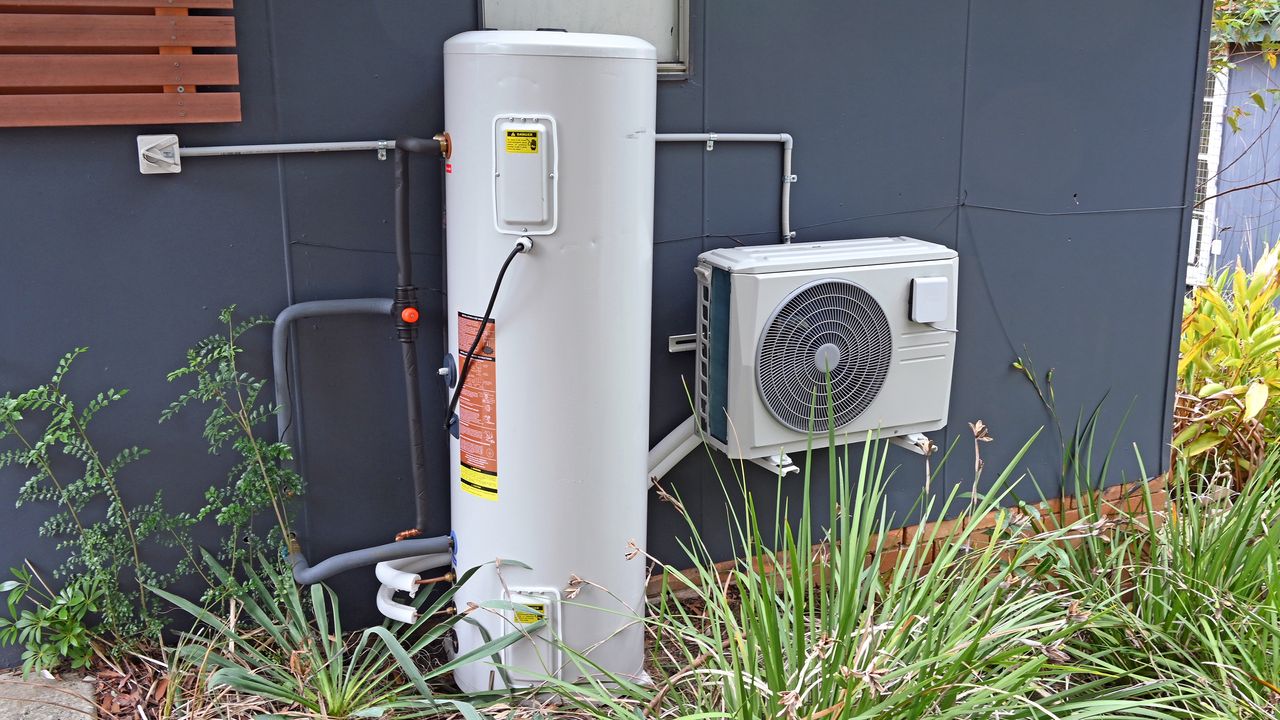
Water heaters can guzzle energy a lot of energy, which not only boosts your bills, but also your carbon footprint. Fortunately, heat pump water heaters (HPWH) are a convenient alternative that can keep energy usage, and costs, low. However, if you are considering making the switch, or already eligible to claim, you should act quickly.
Tax credits of up to $2,000 for those who switch to a heat pump water heater are coming to an end on December 31st. This means there's limited time left to take advantage of this saving and reduce the cost of switching to an HPWH.

Here's what you need to know.
How to claim your saving

The HPWH tax credit covers 30% of the installed cost of the unit up to $2,000, and was part of the Inflation Reduction Act. But due to new legislation which passed over the summer, this incentive is drawing to a close at the end of 2025.
Depending on your location, you can pair this saving with rebates in your local area. For example, California's Water Heater Rebate Program can cut an additional $900 off the cost of your heat pump water heater.
There are some conditions you'll need to meet to claim the savings, which are detailed in full on the IRS website. This includes specifications regarding the energy rating of your chosen HPWH, and the type of properties that are eligible.
Those hoping to save need to have their new HPWH installed before the end of 2025, and claim the federal credit when filing their federal income tax return.
Choosing the right model

One condition of the federal credit is that it only applies to "heat pumps that meet or exceed the CEE highest efficiency tier." This means your new HPWH needs to be Energy Star Certified.
Fortunately, there's a list of eligible products on the Energy Star website. If you were hoping to DIY your upgrade, there are options available at the likes of Home Depot, with prices starting at around $1,500, which would equate to a $450 credit.
However, the majority of people would likely prefer to enlist the help of a professional to make the switch. According to CleanTechnica, "if you’re going the contractor route, it’s probably best to see which brand your contractor is most familiar with and go with that one." Just make sure it's eligible when choosing your new heater with your contractor.

Follow Tom's Guide on Google News and add us as a preferred source to get our up-to-date news, analysis, and reviews in your feeds.