
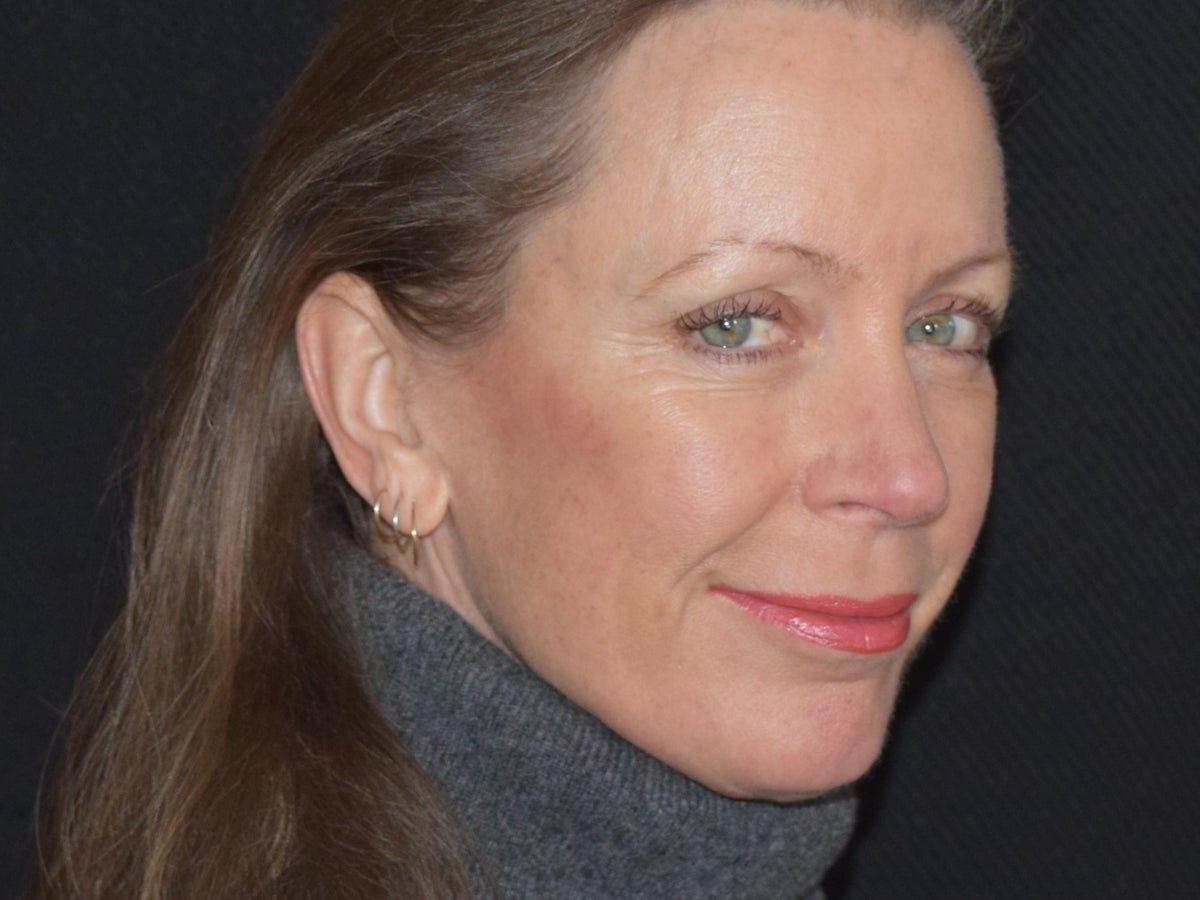
Frieda Hughes’s memoir, George, is a love story about bringing up a baby magpie. But it does, of course, mention her parents. “When introduced, my name is all-too-often FRIEDAHUGHES-DAUGHTER-OF-TEDHUGHES-AND-SYLVIAPLATH,” she writes. Frieda is a poet herself, as well as a painter, and she describes the label to me in a neat image: “You get to wear it, a bit like a coat that somebody puts over your shoulders and you can’t really shrug off.” Between 2006 and 2008, she had been The Times’s poetry columnist; when her role was cut, she was dismayed at the loss of her independent identity. It makes me wonder when Frieda Hughes has felt the most, well... Frieda?
“Now!” she says, with feeling. “I feel the most Frieda all the time, except when that’s happening. And then people jolt me out of my being Frieda-ish, and hang me on these other hooks that are my parents.” Plath, the author of the seminal, semi-autobiographical The Bell Jar and of influential, excoriating poems like Lady Lazarus and Daddy, and Hughes, the brooding bard of the Yorkshire Dales and later poet laureate, had perhaps the most famous marriage in literary history. Frieda was not yet three years old when her mother, who had been treated for depression throughout her life, died by suicide in 1963 at the age of 30. Plath had separated from Hughes six months earlier, following his affair with Assia Wevill, and taken Frieda and her younger brother Nicholas to live with her, in a flat once owned by WB Yeats on Fitzroy Road in north London. After her death, Frieda and Nicholas were raised by their father. Frieda loves her parents; is proud of what they achieved. But “it’s really strange, on a personal level, to be reminded of your perpetually dead parents. Sorry, I shouldn’t joke, but” – this she says very bluntly – “once your family is dead, they’re not coming back.”













