Get all your news in one place.
100’s of premium titles.
One app.
Start reading
The Independent UK
The Independent UK
Helen Coffey

It’s official: Boozing in my twenties set me up for career success today

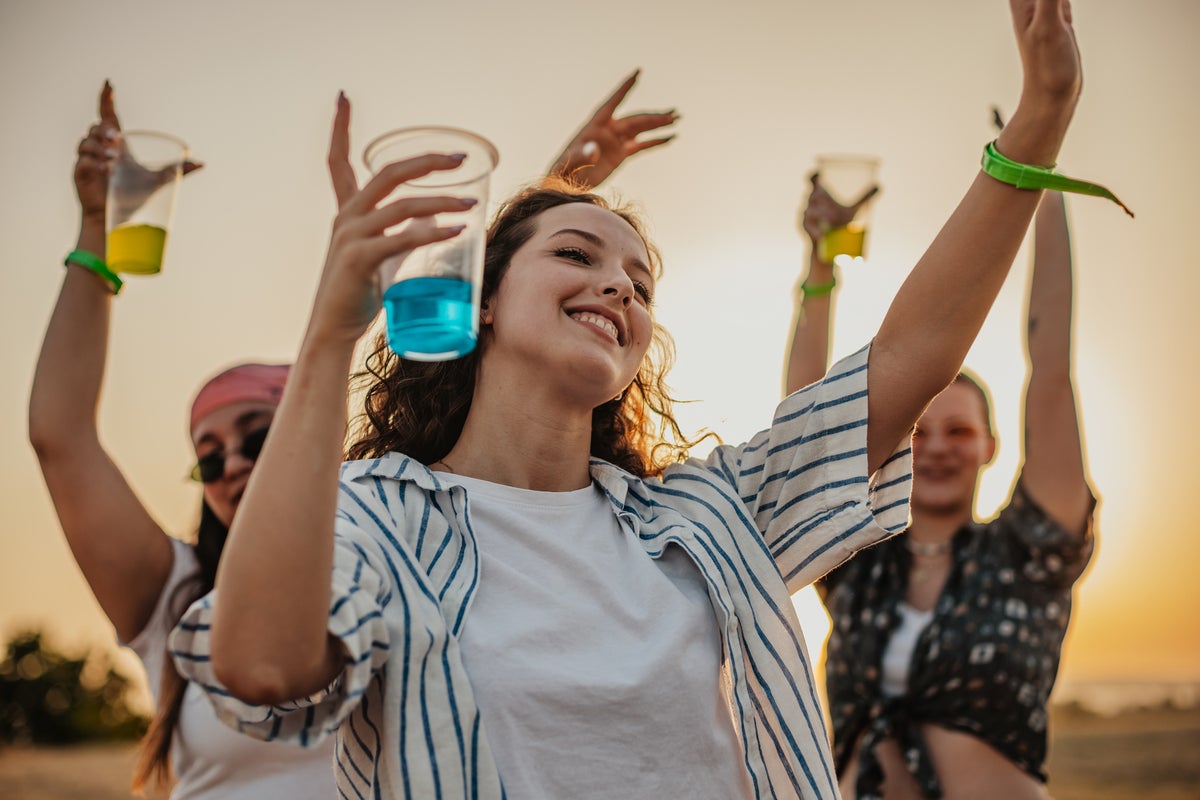
Binge-drinking used to be a rite of passage for young people - (Getty)

Battered. Leathered. Twatted. Pissed. Sloshed. Bladdered. Plastered. Mullered. Wrecked. Hammered. Smashed.

The sheer number of words for “drunk” in the British lexicon gives some indication of what a national pastime binge-drinking is.


Or, should I say, used to be. As a millennial who came of age in the Noughties, I’m fully equipped with the booze-fuelled war stories that so many of my cohort boast with a befuddled mixture of pride and shame now we’re all grown up. But times change, and the status quo changes with them. The new normal for young people is a world away from my early days of hedonism: going to the gym is the new going to the pub, and the sober curious movement has seen plenty of people swap sambuca for CBD.

Witnessing this cultural shift, I always presumed that my messy generation were the ones who had got it wrong. After all, other than an alarmingly large cache of drunken night out anecdotes, hideous Facebook photos and possible liver damage, what did any of us have to show for those wasted years of being, well, wasted? As it turns out, potentially our entire careers and future successes.

As strange as it may sound, a sociology professor from Norway believes that boozing when we’re young has tangible, real-world benefits. Willy Pedersen of the University of Oslo has published research that links engaging in communal binging to better career outcomes for young adults.

After tracking the drinking habits of more than 3,000 Norwegians for 18 years, from the age of 13 to 31, Pedersen and his team found a curiously strong correlation between those who’d had heavy drinking sessions in their teenage years and twenties and those who’d gone on to achieve higher levels of education and income than people who’d abstained or drank very little.

Writing in his book The Beauty and Pain of Drugs, Pedersen argues that alcohol acts as a social lubricant, helping young people network and smoothing early career paths. “It’s obviously not the fact that you drink alcohol, that it sort of comes into your body and does something with your brain,” he said. “The most likely explanation is that all alcohol is a kind of marker of sociality and that habit comes with some types of benefits.” He added: “The statistical findings are quite strong, so clearly significant.”

I don’t want to sound too smug, but as a reformed binge drinker who grew up on a diet of swigging White Lightning in parks and brightly-hued alcopops at house parties – which at least made the vomit a more interesting colour on the return journey – it is undeniably gratifying to have some vindication.

Alcohol’s function as a social lubricant could be linked to success (Getty)

Underage clubbing with fake IDs while still at school gave way to legal nights out at university – three, four, sometimes five nights a week spent in sticky-floored clubs with names like “Liquid” and “Riva”, downing worryingly cheap vodka Red Bulls and pints of snakebite. That was after the ubiquitous “pre-lash” in halls, of course – getting drunk before you went out being the prudent choice when sticking within a limited student budget. Ginger wine, vermouth, Advocaat, Vodkat (a spirit that couldn’t legally be called vodka for reasons best not dwelt on): if it was on the bottom shelf of the supermarket alcohol aisle, chances are we’d drink it.

Though as a society we’re now much more aware of the health harms caused by alcohol, I don’t regret that ridiculous time of life. Alcohol was the cheat code for a confidence you were yet to cultivate, a way to try it on for size and practice moving through the world with ease. It was the magic potion that lowered inhibitions enough to talk to people you fancied, dance like no one was watching and, crucially, make a bit of a fool of yourself.

Alcohol was the cheat code for a confidence you were yet to cultivate

That was the real benefit of boozy nights out, the unexpected element that paved the way for future life as an adult: you learned to let go, lose control and look stupid sometimes. And you learned you wouldn’t die if you did. This was resilience-building in its purest sense.

Of course, in a modern world of perfectly curated social media feeds, constant documentation and instant online judgement, drunken mistakes on a night out are a far riskier business than they were 20 years ago. But it also means that it’s hard not to worry that young people have lost that early proving ground in which to experiment and mess things up.

Yes, the next gen might well tut and roll their eyes at the endless roster of tedious tales spouted by their grizzled elders with a misty-eyed nostalgia: adorning statues with stolen traffic cones in amusing configurations; “sharking” your crushes on dancefloors and doing ungodly things with chilli sauce in a kebab shop at 3am.

But it turns out this unholy rite of passage could just be the secret of our success.

Sign up to read this article
Read news from 100’s of titles, curated specifically for you.
Already a member? Sign in here
Related Stories
Top stories on inkl right now
One subscription that gives you access to news from hundreds of sites
Already a member? Sign in here
Our Picks
Fourteen days free
Download the app
One app. One membership.
100+ trusted global sources.