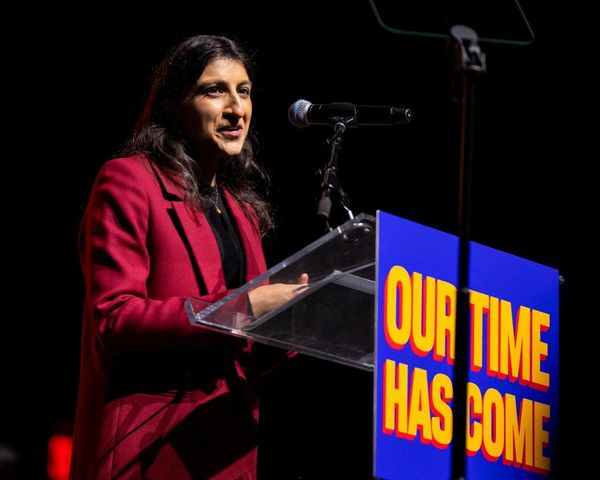

Danni Mohammed is the founder and CEO of strategy studio GentleForces. Working with leading industry clients like adidas, Jack Wolfskin and Weekday, Danni and her team have worked to invent, build, and shape iconic brands, embracing a fine balance of chaos and order to bring a fresh perspective to the industry.
Danni's vast portfolio covers a diverse range of categories from the worlds of sports, fashion, lifestyle, health and wellness, leading with a deliberately non-elitist, tension-embracing creativity. As part of our 5 questions series, I caught up with Danni to discuss creative pet peeves, the value of friction and the importance of a human-led approach in the creative industry.
What’s the best piece of advice you’ve ever ignored?
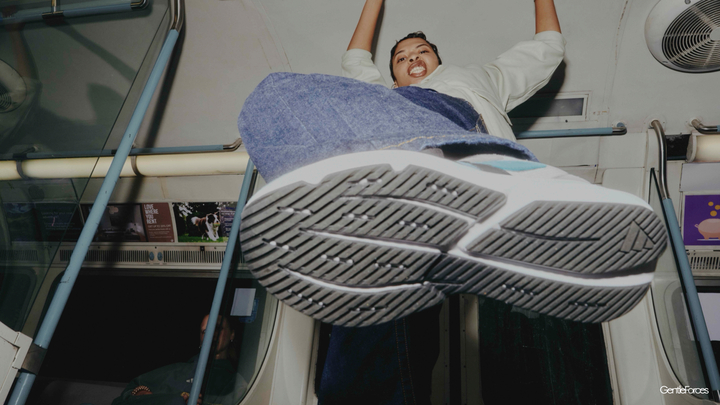
“The customer always comes first”: I was a waitress in my teenage years, loved it. Moving onto GentleForces … the client doesn’t pay us to listen to every single thing they say. They’re paying for us to give them something they haven’t thought of.
What’s your motto?
Be comfortable with being uncomfortable. I believe that friction is a tool, not a threat - and our process is designed so ideas intentionally collide. We riff instead of brainstorm and the aim is to challenge and provoke, not agree. Tension is how we see things differently and avoid being generic.
What’s your creative pet peeve?
Being performative. I don’t want to be in a room with people not being themselves, acting in inauthentic ways to impress others, consciously or unconsciously. How you treat others and the work you create are the only things that matter.
What’s the ugliest object you secretly love?
It’s got to be the monobloc chair. A design icon. Used everywhere. In every neighbourhood. On every corner. In most backyards. It’s simple, cheap and mass-produced. Made out of a single piece of plastic, it invites a pause, brings people together and keeps conversation going.

Thoughts on AI?
Whether we like it or not, it will become second nature - it’s already happening. As with anything, there are societal implications, and whilst it’s something that will become part of our day-to-day with huge benefit, we should continue to ask ourselves about what we’re building and who’s building it, considering the ethics and diversity at all times.

What’s one thing we forget about the industry?
“It’s about the people, stupid”. Humans serving humans serving humans.
What would be the name of your autobiography?
I Feel White.