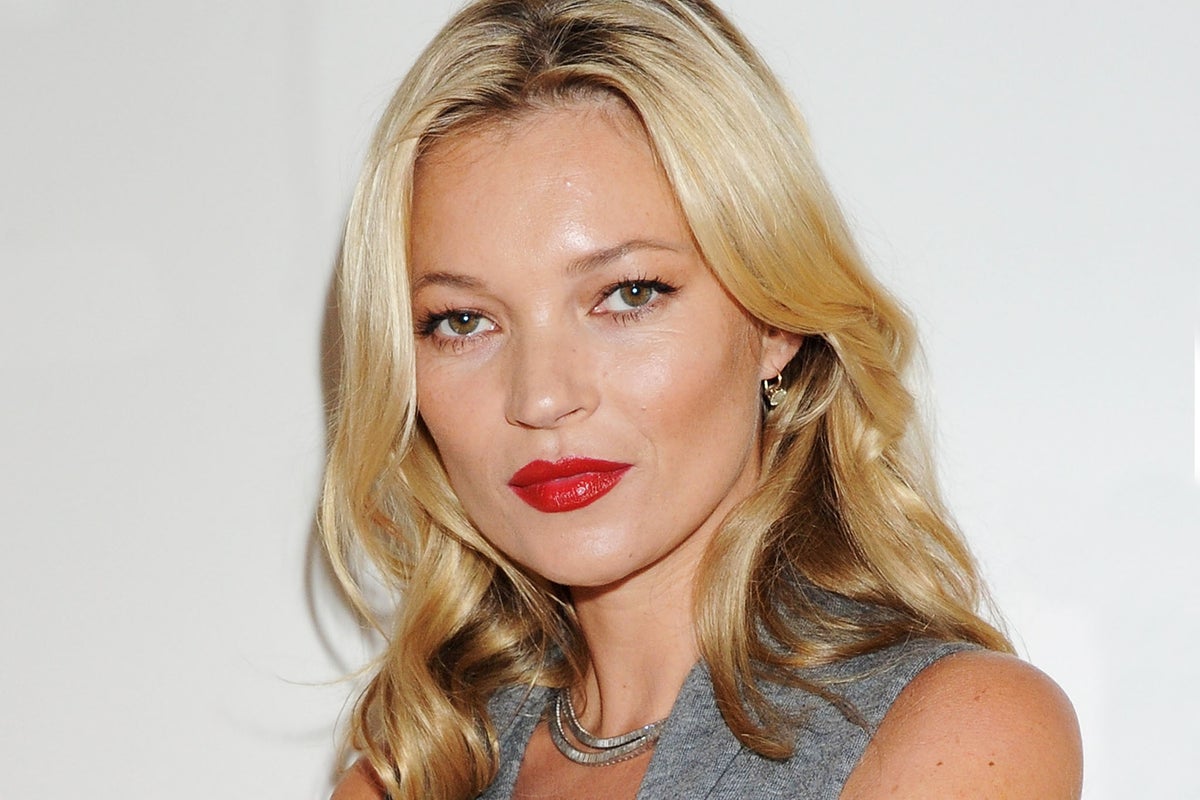
Living in London offers many opportunities – such as the chance to make staggeringly large monthly donations towards your landlord’s mortgage in return for a shoebox to sleep in. It also offers the chance to be in the vague vicinity of incredibly good-looking people every seven minutes or so, especially when – as it did this month – London Fashion Week rolls into town. But all year round, areas like Covent Garden have an almost unnerving ability to be populated by “the beautiful people” – so much so that it’s common to find yourself doing what I call “beauty slipstreaming”, which is when you find yourself walking behind someone the world sees as good looking and briefly glimpsing the world from their perspective. It’s an endless procession of warm smiles, double takes, furtive glances and unbridled human happiness all around you. For a brief few seconds, anyone can experience what it’s like to be attractive, and what it’s like to benefit from what’s known as “pretty privilege”.
It’s not a revelation to say that good-looking people are lucky in a way regular folk aren’t. But the depth of “pretty privilege” is quite amazing once you examine it. A fleet of studies confirm that – in a financial sense, for example – there is what’s known as a “beauty bias”. Economist Daniel S Hamermesh’s book Beauty Pays: Why Attractive People Are More Successful shows that this group in society not only get paid more in terms of salary, but they’re also offered more employment opportunities and are even able to secure financial loans easier too. Hamermesh further ponders whether those at the opposite end of the appearance spectrum should receive government support. Additional research suggests that being defined as beautiful makes people more productive while, worryingly, even our internal organs and microbiology seem to have a pretty preference as well. Research in 2022 indicated that those surveyed who were deemed to be good looking had a higher amount of “natural killer” cells that would fight infections and viruses better than others.