Get all your news in one place.
100’s of premium titles.
One app.
Start reading
MusicRadar
MusicRadar
Entertainment
Will Simpson

"It is like saying that my love of Francis Ford Coppola’s The Godfather makes me a mobster”: Campaigners hope to make lyrics and videos inadmissible as evidence

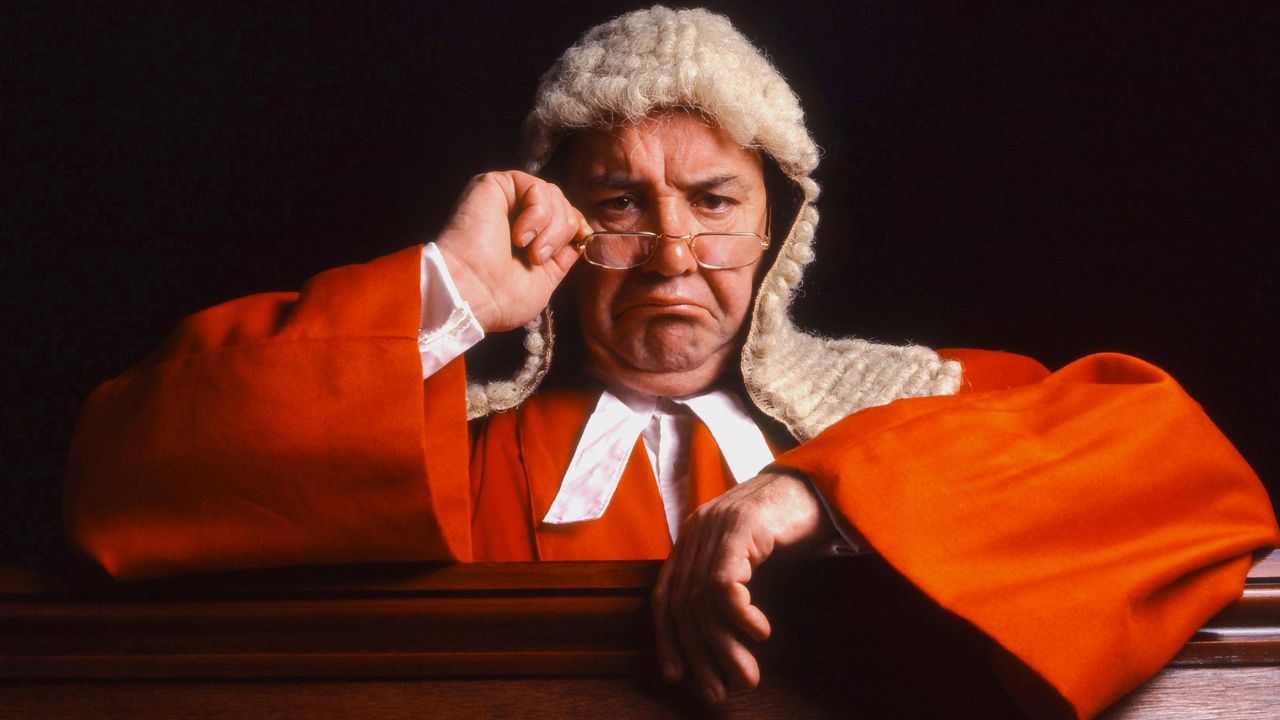
Judge in wig and robes.

Campaigners are trying to change the law so that artists’ lyrics cannot be used against them in a court of law.

At present, this is the case, and indeed, there have been incidents where drill artists have had their own words or even appearances in videos used as evidence that they are affiliated to a particular gang.
So a group calling themselves Art Not Evidence is arguing for an amendment to the Victims and Courts bill, which is currently making its way through parliament, that would prevent police from being able to present lyrics as evidence except when they are “literal, rather than figurative or fictional”.

In a statement, Baroness Shami Chakrabarti, who is tabling the amendment, said: “We’re in a ridiculous position at present where somebody’s musical taste is somehow probative of their criminal intent. It is like saying that my love of Francis Ford Coppola’s The Godfather makes me a mobster. It’s extraordinary.”

It also makes no allowances for the idea that often an artist is adopting a persona in a song, or that they might be presenting an exaggerated version of themselves, often blown up to ridiculous proportions.

Take, for example, Snoop Dogg’s Drop It Like It’s Hot, in which the now-cuddly 50-something rapper says ‘I’m a gangsta/ but you knew that’ before affirming his allegiance to LA’s Crips gang. At the time of release in 2004, Snoop had been a major recording artist for over a decade, rather than an, ahem, ‘gangsta’.

Anyway, the Art Not Evidence group has sent an open letter to Deputy Prime Minister David Lammy, arguing: “These creative expressions have no connection to the serious crimes alleged, and are used to paint a misleading and prejudicial picture, conflating art with evidence.”

Chakrabarti also said they wanted to end the practice of ‘independent' witnesses with little or no knowledge of the music in question being used in such cases. She said that often they amounted to “retired police officers enjoying a nice little side hustle as independent experts on rap and drill, which is where something that is abusive becomes positively absurd.”

For their part, the Crown Prosecution Service has said that it “has never prosecuted anybody solely on the basis of their involvement with drill/rap music” but that “drill/rap music may be of specific relevance to the case against a suspect, in which case it may be used as evidence.”

It’s known that between 2020 and 2023 there have been more than 70 criminal trials in which lyrics, videos and audio recordings have been used to police and prosecutors.

Sign up to read this article
Read news from 100’s of titles, curated specifically for you.
Already a member? Sign in here
Related Stories
Top stories on inkl right now
One subscription that gives you access to news from hundreds of sites
Already a member? Sign in here
Our Picks
Fourteen days free
Download the app
One app. One membership.
100+ trusted global sources.