Israel recently conducted a daring operation to rescue four hostages who had been kidnapped eight months earlier from a music festival. The mission, which involved meticulous planning and hundreds of personnel, culminated in a successful rescue but also resulted in casualties and destruction.
The operation took place in the Nuseirat refugee camp in central Gaza, where intelligence reports indicated the hostages were being held. Israeli military, intelligence, and police units raided two buildings in the camp, located just 200 meters apart, to secure the hostages.
The rescued hostages - Noa Argamani, Almog Meir Jan, Andrey Kozlov, and Shlomi Ziv - were finally freed after months of captivity. Tragically, an Israeli policeman lost his life during the operation, highlighting the risks involved in such high-stakes missions.

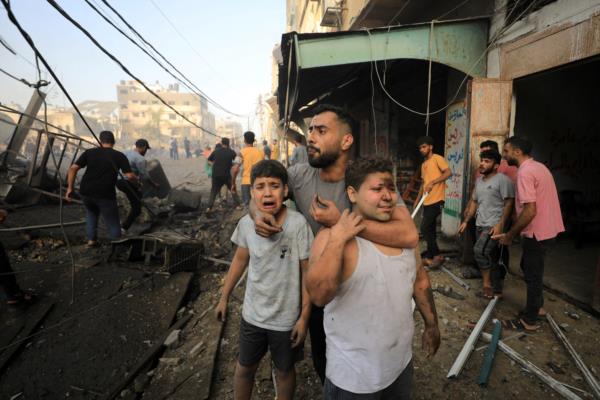
Israeli forces faced significant challenges during the rescue operation, including heavy bombardment of central Gaza. The military action resulted in casualties among the Palestinian population, with over 200 reported deaths and numerous injuries. However, the exact number of casualties remains unverified due to limitations in medical records in the region.
According to Rear Admiral Daniel Hagari of the Israel Defense Forces (IDF), the rescue mission had been meticulously planned and extensively trained for over several weeks. Special units underwent rigorous training, including simulations based on the layout of the buildings where the hostages were held.
Despite the successful outcome of the operation, previous attempts to launch similar raids had to be aborted multiple times due to unfavorable conditions. The risks and complexities involved in such operations underscore the challenges faced by security forces in carrying out hostage rescues in volatile environments.