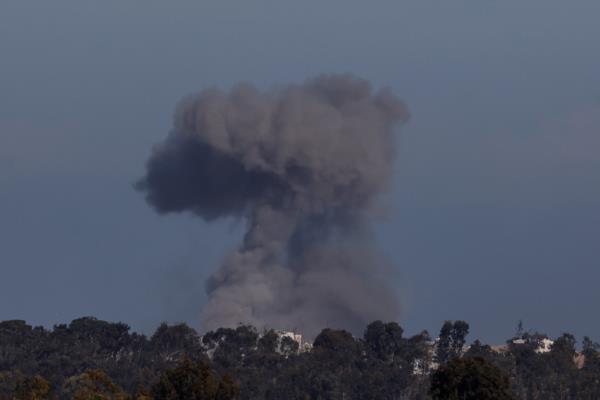
As the Israel-Palestinian conflict wages on, Israel continues its offensive in the Gaza Strip, entering its 100th day of war. The volatile situation in Gaza has reached unprecedented levels, leading to devastating consequences for both sides involved.
The root cause of the conflict lies in the long-standing disputes over land, resources, and political power between Israel and Palestine. For years, tensions have escalated, resulting in sporadic outbreaks of violence. However, the current offensive in Gaza has reached a level of intensity not seen in recent history.
Both sides have experienced unimaginable suffering as a result of the prolonged conflict. The Israeli military has carried out numerous airstrikes and ground operations, targeting what they claim to be Hamas installations and infrastructure in Gaza. These operations have led to significant civilian casualties, with reports indicating that innocent men, women, and children have lost their lives.


On the other hand, Hamas, the militant group controlling the Gaza Strip, has also launched thousands of rockets into Israel, targeting major cities including Tel Aviv and Jerusalem. These indiscriminate attacks have caused fear and panic among Israeli citizens, who have sought refuge in bomb shelters and safe rooms.
The consequences of this ongoing conflict extend far beyond the loss of innocent lives. The destruction of critical infrastructure, including homes, schools, hospitals, and power stations, has left the people of Gaza in dire conditions. Access to essential services such as clean water and electricity has become even more limited, exacerbating the already challenging living conditions in the region.
Efforts to reach a ceasefire and pursue diplomatic negotiations have repeatedly failed, as both sides remain steadfast in their positions. The international community has vehemently condemned the violence and called for an immediate end to the conflict. However, finding a lasting solution remains elusive, as deep-rooted grievances and mistrust continue to fuel the cycle of violence.
Humanitarian organizations have been working tirelessly to provide aid to affected communities, but their efforts are often hindered by the ongoing fighting and limited access to affected areas. The plight of civilians trapped in this conflict is deeply distressing, with millions of innocent lives caught in the crossfire and facing untold hardships.
The repercussions of this prolonged conflict extend beyond the immediate region; they have a significant impact on global stability as well. The situation in Gaza has become a rallying point for various radical groups, and the conflict has the potential to further destabilize the entire Middle East.
It is crucial for the international community to redouble its efforts in facilitating dialogue and promoting peaceful negotiations between Israel and Palestine. Only through a sincere commitment to finding a just and lasting solution can the cycle of violence be broken, and the people of the region be provided with the security and stability they deserve.
As the Israel-Palestinian conflict enters its 100th day of war, it is a stark reminder of the urgent need for a resolution. The toll on human lives, infrastructure, and stability continues to rise, further underscoring the importance of international collaboration in bringing an end to this devastating crisis.