An Islamic prayer hall in Sydney associated with the controversial cleric Wisam Haddad, which had come under scrutiny since the Bondi massacre, says it has permanently closed.
The Al Madina Dawah centre in Bankstown made the announcement in an image posted to its Facebook account on Wednesday morning. “The Al Madina Dawah centre is permanently closed,” it said, without providing any additional information.
Canterbury Bankstown council issued a “cease use” directive on Haddad last month, after surveilling the centre on Kitchener Parade and determining it never had approval to operate as a prayer hall, and was only recently approved to operate as a medical centre.
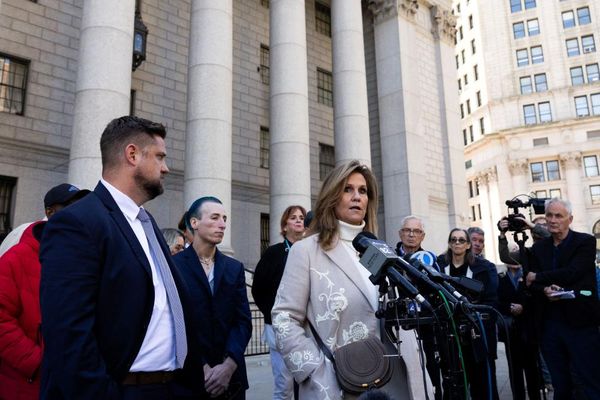
The move was supported by the New South Wales premier, Chris Minns, who announced plans on Monday to give councils stronger powers to shut down unlawful places of worship as part of a crackdown on “factories of hate”.
Under the new laws, councils will be required to consult NSW police before they grant approval to any religious premises, and fines for operating without development consent will jump from $11,000 per individual to $110,000. For corporations, fines will increase from $22,000 to $220,000.
Sign up: AU Breaking News email
A spokesperson for the council confirmed the centre was “moving to close”, but said they had no further comment to make beyond their original statement.
Media reports have alleged that Naveed Akram, one of the alleged Bondi beach gunman, was a follower of a Dawah preaching movement Haddad led.
A lawyer for Haddad said last month that he “vehemently denies any knowledge of or involvement in the shootings that took place at Bondi beach”.
In a Facebook post on the centre’s account on 15 December – the day after the massacre – the Al Madina Group said that it had taken over management of the centre from the former tenants, and that Haddad, also known as Abu Ousayd, held no management role.
“We wish to clearly state that Ustadh Abu Ousayd [Haddad] has no role in the management, committee, or board of Al Madina Group,” it said.
“His involvement is limited to occasional invitations as a guest speaker, including delivering lectures and, at times, Friday sermons.”
On 17 December, the account posted a statement from Haddad, in which he denied Akram was a part of the Dawah preaching movement, or a follower of his, claiming “no verified photograph exists” showing the two together.
“No evidence has been produced showing any personal, organisational or instructional link between Naveed Akram and Wisam Haddad,” it said.
In a statement on 23 December, Canterbury Bankstown said it had issued the “cease use” directive to Haddad the previous day.
“Our recent surveillance indicates there is a strong suspicion the premises is being used contrary to its intended use,” a council spokesperson said. The council said a review of records dating back to 1970 revealed the centre never had approval to operate as a prayer hall and no change of use application had been lodged to change its use from a medical centre to place of a worship, which requires development consent.
“We have issued the cease use notices which will be effective immediately. There are no compromises, and we will be taking further action if they don’t comply.”
In a statement that day, the Al Madina Group reiterated that it managed the centre and did so independently of Haddad, saying it “rejects any attempt to conflate administrative or planning mutters with allegations of extremism, national security, or criminal conduct”.
In a later post, it said it was “temporarily pausing operations” while it lodged a change of use application with the council.
“We emphasise that the centre is not closing. This pause is purely to ensure full compliance with council requirements and to obtain the necessary approvals.”