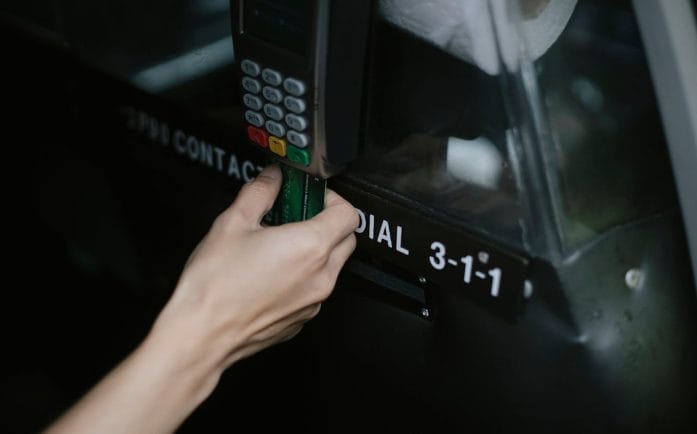
Think about this scenario: you’re fueling up, grabbing lunch, or swiping at a checkout—and somewhere in the machinery, someone isn’t playing by the rules.
Credit card fraud isn’t just something that happens to other people. It’s exploding in certain parts of the country, and understanding where it’s happening most can be the difference between catching a great deal and getting hit with a nasty financial surprise. Let’s cut through the fear-mongering and get to the facts, plus exact strategies to keep your money where it belongs.

1. Florida: Sunshine and Skimmers
Florida isn’t just a top travel destination; it also tops the list for credit card fraud reports per capita in the U.S. This has been a growing trend shaped by heavy tourism, transient customers less likely to scrutinize their statements, and endless high-traffic transactions that make perfect cover for card thieves.
Gas stations along major interstates and standalone ATMs in tourist zones often turn into magnets for skimming devices because of that constant footfall. If you find yourself in Florida, think beyond the beach umbrella: choose payment methods like tap-to-pay where possible, and ALWAYS check your statements within days of any travel. On the road, watch for unfamiliar ATMs and skip the ones tucked out of sight.
2. Georgia: The New Fraud Frontier
Georgia has rapidly risen up the charts to become one of the most common places for credit card fraud. Atlanta’s busy airport, sprawling suburbs, and high commuter traffic create a near-endless corridor of opportunity for skimming rings to plant devices unnoticed.
In addition to gas pumps, convenience store POS units and hotel lobby ATMs are frequently hit because they move so much volume in a single day it’s easier for thieves to stay under the radar. One of the few bright spots? If your card supports contactless payments through your phone or smart watch, using that option can sidestep swipe-based skimmers entirely. If you must dip your chip or swipe, glance at the reader and back away if anything seems out of place.
3. Nevada: Tourist Traps Aren’t Just Casinos
Las Vegas and Reno don’t just lure visitors for entertainment—they also attract fraudsters hunting for card data. Nevada’s blend of tourism, heavy cash flow, and high-turnover transactions makes it a perfect playground for skimming operations.
Whether you’re grabbing gas to hit the next attraction or using an ATM after dinner, criminals know that large crowds can camouflage illegal card readers. Casinos and hospitality businesses invest heavily in security, but smaller ATMs and gas station terminals often lag behind. As with other hotspots, the smartest move here is caution: prefer payments that don’t require swiping or inserting your card, and take a moment to inspect devices before touching them.
4. California: Population Power Meets Criminal Innovation
When it comes to sheer numbers of skimming events, California tops many lists. Far too many incidents have taken place in the Golden State, largely because of massive population density and a vast network of ATMs and independent gas stations.
Whether you’re in Los Angeles, the Bay Area, or smaller inland towns, the sheer volume of financial transactions gives thieves more victims with less effort. Even with advanced EMV chip technology widely deployed, the human element still matters; as more criminals switch to internal skimmers that latch inside card slots, spotting them becomes harder. Routine vigilance—like wiggling a card reader before using it or preferring chip or contactless transactions—is essential here.
5. Texas: Big State, Growing Problem
Texas often makes this list not because it has the highest per-capita rate, but because of its size and sheer number of cases reported annually. Large metropolitan areas like Houston, Dallas and Austin see a lot of card usage, and that volume gives fraudsters plenty of opportunities.
Law enforcement is cracking down in parts of the state with tougher sentencing and focused fraud units, and that’s helping to deter some shady players. However, people should stay alert everywhere from freeway gas stations to mall kiosks. If a payment terminal seems loose or sticker seals are damaged, walk inside and pay at the register. This isn’t paranoia—it’s paying attention to the details that protect you.
6. New York: Big City Risks, Big Data Losses
New York doesn’t just draw headlines for its skyline; it draws fraud activity too. Heavy travel, millions of daily transactions, and abundant independent ATMs and retail terminals make the state a high-risk zone for skimming devices.
Federal and local task forces have recently upped enforcement in cities like New York City itself to crack down on organized skimming rings, especially ones targeting lower-income communities and benefit cards that often lack modern security features. In such environments, choosing EMV chip or contactless payments isn’t just smart, it’s one of the most effective defenses you have.

7. Pennsylvania: A Quiet but Dangerous Player
Pennsylvania doesn’t always top the news for fraud, but its mix of urban centers like Philadelphia and Pittsburgh coupled with endless smaller towns makes it fertile ground for skimming.
Criminals know that in quieter areas, people might be less wary. Payment terminals at gas stations and smaller merchants often lack the most advanced tamper-proof protections, and that makes them inviting targets. Staying informed about local alerts—many police departments will publicize skimming devices found in their precincts—can give you an edge before you swipe. Naming unfamiliar ATMs and choosing terminals within sight of staff cuts your risk dramatically.
8 & 9. Maryland and Virginia: Beltway Busts
Down on the East Coast, Maryland and Virginia round out a cluster of states where card skimming has frequently been spotted. Their proximity to major travel corridors, commuter traffic, and dense populations means payment terminals get hammered every day. In these states, fraud isn’t always about big numbers in one city—it’s about opportunity everywhere you look.
If you’re filling up on I-95 or stopping at a rest area kiosk, assume that thieves are trying to get ahead of you. When possible, switch to contactless payments, check terminals for tampering just like you check your locks at night, and set up instant fraud alerts with your bank so if anything unusual happens, you know immediately.
Getting Ahead of the Skimmers
Credit card fraud isn’t going away. In fact, the FBI estimates card skimming alone costs consumers and banks more than $1 billion annually, and criminals keep refining their tools and tactics. While EMV chips, tokenization, and digital wallets have cut down some types of fraud, physical skimmers and the digital scams that follow still thrive because there’s always personal data to grab. Skimmers often attach to ATMs, gas pumps, and point-of-sale devices and harvest card info and PINs before you even notice a thing.
Do you think your state could be next, or have you spotted high-risk areas where you live? Share your thoughts in the comments.
You May Also Like…
8 Job-Scam Red Flags Everyone Needs to Know in 2025
8 Beauty Scams That Fooled Everyone — And Still Do
The “Love Bombing” Tactic Scammers Use to Gain Financial Control in a New Relationship
7 Reasons Credit Card Limits Drop After Paydowns — Even When You Never Miss a Payment
23% of Americans With Credit Card Debt Don’t Believe They’ll Ever Pay It Off
The post Is Your State a Skimmer Hub? The 9 Places Where Credit Card Fraud Is Skyrocketing appeared first on The Free Financial Advisor.