
Get all your news in one place.
100’s of premium titles.
One app.
Start reading
Frugal Gardening
Frugal Gardening
Brandon Marcus

Is Your Garden Ready for the First Snowfall?

Image Source: Shutterstock.com

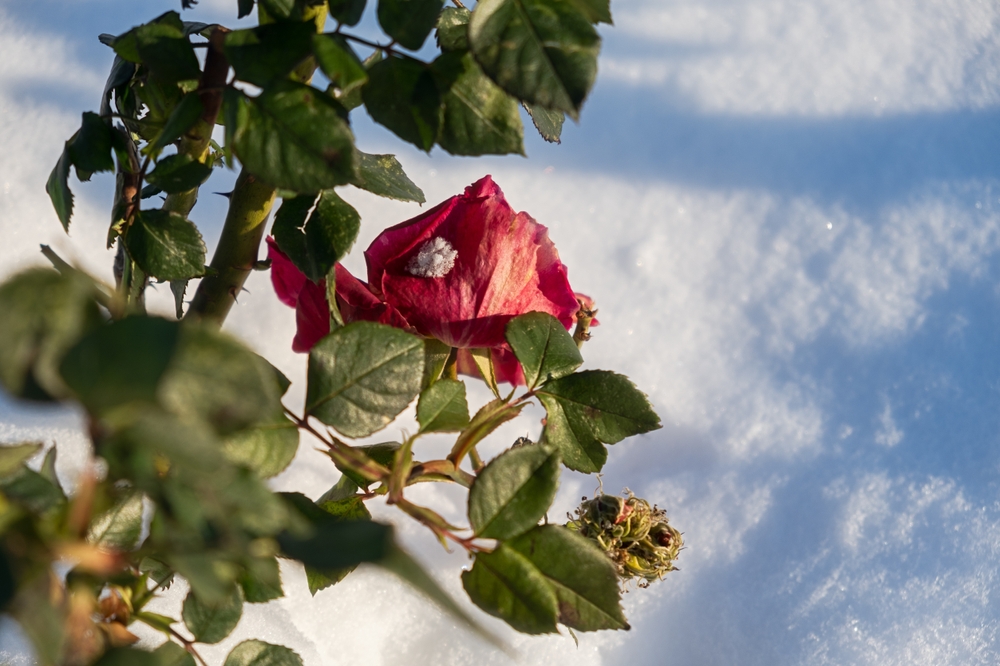
The first snow can turn your whole world upside down. One night, everything looks calm and cozy, and by morning, your plants are trapped under a frosty surprise that exposes every bit of neglect. This moment is thrilling, dramatic, and a little dangerous for your outdoor space if you’re not prepared.

Snowfall is nature’s deadline, and it arrives without extensions or apologies. If your garden could talk right now, it would be yelling, “We’re running out of time.”

Why First Snowfall Changes Everything

The first snowfall is more than decoration because it locks in whatever condition your garden is currently in. Snow acts like a seal, preserving problems such as disease, pests, and rot beneath a cold blanket. Plants that were barely hanging on suddenly face stress they cannot escape. Soil structure also changes once freezing begins, making quick fixes nearly impossible. Preparing before that first snow means you control the story instead of reacting to damage later.

Cleaning Beds Before Winter Locks In

Garden beds should not head into winter cluttered like a messy garage. Dead plants, fallen fruit, and soggy leaves can harbor pests and fungal diseases all season long. Cleaning them now prevents those problems from waking up hungry in spring. This doesn’t mean stripping everything bare, but it does mean removing anything clearly diseased or decaying. Think of it as tucking your garden in with clean sheets instead of yesterday’s laundry.

Mulching Like You Mean It

Mulch is not just cosmetic, it is winter armor for your soil and roots. A proper layer regulates temperature, reduces freeze-thaw damage, and protects moisture levels. Straw, shredded leaves, and bark mulch all work when applied thickly and evenly. Too little mulch leaves roots exposed, while too much piled against stems can invite rot. When done right, mulch becomes a silent bodyguard standing watch all winter.

Protecting Plants That Hate The Cold

Some plants tolerate snow like champions, while others panic at the first frost. Tender perennials, young shrubs, and borderline-hardy plants need extra protection before snow arrives. Burlap wraps, frost cloths, and simple wind barriers can dramatically reduce winter damage. Container plants often need relocation to sheltered areas or unheated garages. Ignoring these sensitive plants is like sending them outside without a coat and hoping for mercy.

Image Source: Shutterstock.com

Watering Rules Before The Ground Freezes

It feels wrong to water before winter, but hydration is critical for cold survival. Dry plants suffer more damage during freezing temperatures than well-watered ones. The key is deep watering before the ground freezes solid, not daily sprinkling. Evergreens especially lose moisture through their needles all winter long. One last thoughtful watering can prevent browning, cracking, and unnecessary stress.

Lawn Care Moves That Matter Now

Your lawn may look sleepy, but it still remembers how you treat it before snow. A final mow slightly shorter than usual prevents matting and snow mold. Leaving piles of leaves smothers grass and invites disease under snow cover. Fertilizing with the right winter blend strengthens roots without forcing growth. What you do now determines whether spring brings lush green or patchy regret.

Tools And Furniture Need Winter Plans

Gardening doesn’t stop at plants, because tools and furniture suffer from winter neglect too. Leaving metal tools dirty invites rust, while wooden handles crack in freezing moisture. Cleaning, sharpening, and storing tools properly extends their life dramatically. Outdoor furniture should be cleaned and covered or moved to shelter before snow piles on weight. Treating your gear well now saves money and frustration later.

Wildlife Helpers Without Causing Chaos

Winter gardening also means deciding how much help to offer wildlife. Bird feeders and water sources provide critical support during snowy months. However, leaving food scraps or unsecured compost can attract unwanted guests. Balance is everything when inviting nature closer to your home. A thoughtful approach keeps your garden lively without turning it into a winter buffet.

Mistakes That Turn Winter Into Regret

The biggest mistake gardeners make is assuming snow will handle everything on its own. Snow can insulate, but it can also crush, rot, and suffocate. Forgetting to label plants makes spring a confusing guessing game. Skipping preparation often leads to expensive replacements and lost growing time. Winter regret always starts with fall procrastination.

Give Your Garden A Fighting Chance

The first snowfall is exciting, beautiful, and completely unforgiving to unprepared gardens. Taking time now transforms winter from a threat into a protective season of rest and renewal. Every small effort adds up to stronger plants and easier spring recovery.

Gardening is a long game, and winter is part of the strategy, not a pause button. Drop your thoughts, experiences, or winter garden lessons in the comments section below.

You May Also Like…

How to Prep Raised Beds for Snowfall

8 Winter Garden Paving & Path Ideas for Snowy Landscapes

6 Garden Journal Prompts to Prepare for Spring While It’s Snowing

How to Build a Lasagna Garden Before the Snow Falls

What’s a Frugal Gardener to do in the Snow?


The post Is Your Garden Ready for the First Snowfall? appeared first on Frugal Gardening.

Sign up to read this article
Read news from 100’s of titles, curated specifically for you.
Already a member? Sign in here
Related Stories
Top stories on inkl right now
Our Picks
Fourteen days free
Download the app
One app. One membership.
100+ trusted global sources.