
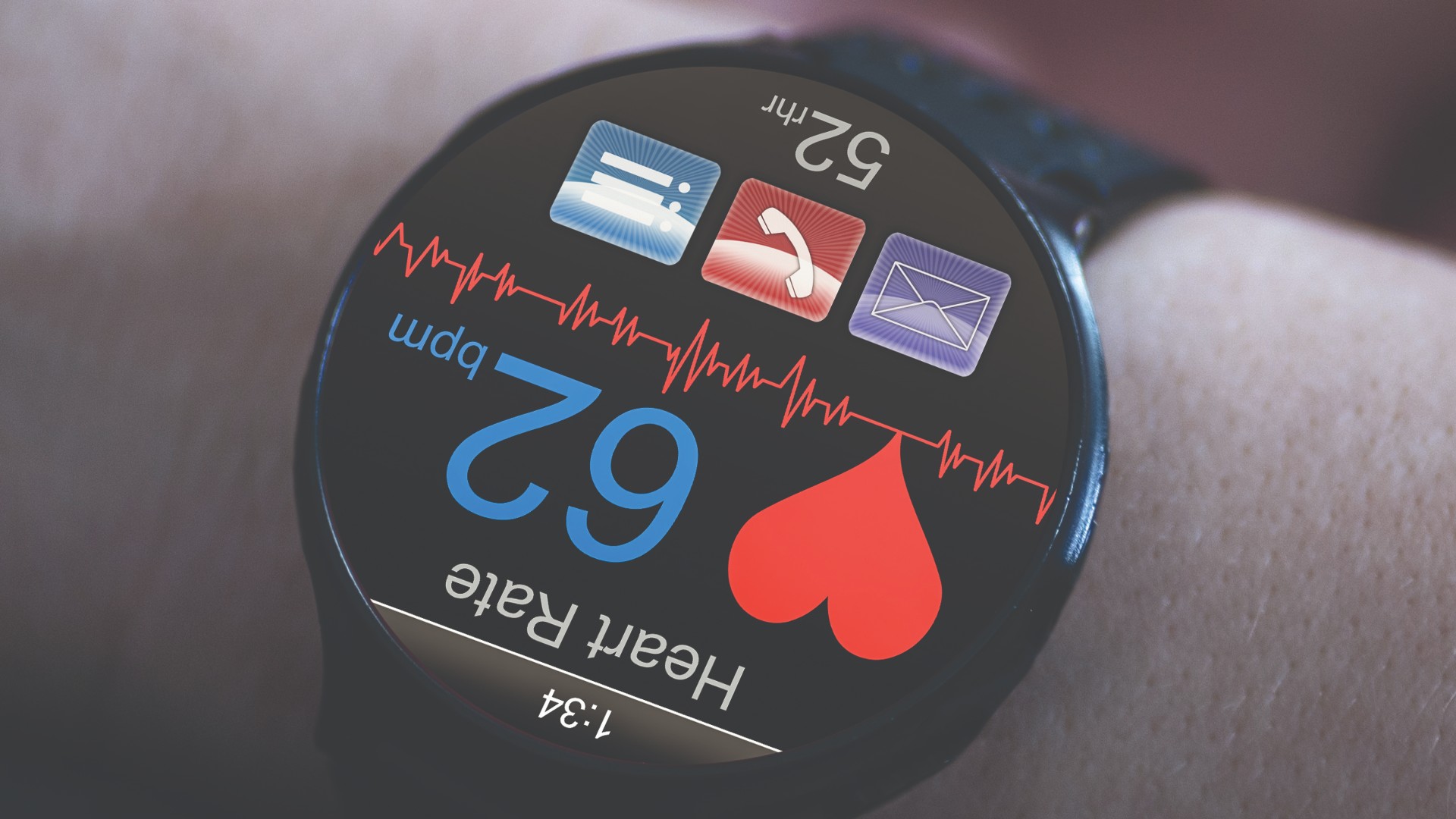
As a keen cyclist and occasional insomniac, I’ve got into the habit of delving straight into my sleep data as soon as I wake up. Take this morning: in a few seconds, data from my Garmin watch downloaded onto my phone showing eight hours, 32 minutes of sleep, of which 39 minutes were ‘deep’, five minutes were ‘light’ and two hours 38 minutes were REM. I flicked down to my ‘sleep score’ – a rating of sleep on a scale of zero to 100 – to see a score of 82 (‘good’), indicating that I was adequately rested for the hard interval turbo session I had planned for later. Obsessing over this data is a hard habit to break.
I’m not alone. As cyclists we’re accustomed to arriving home, unclipping, and scrutinising our ride data. An increasing number of us are also monitoring what happens when we’re tucked up in bed, using wearables that record our sleep and other recovery data such as heart rate (HR) and heart rate variability (HRV), the variance in time between heartbeats. The aim is to gather not only data on how hard you are pushing on the bike, but also how well your body is recovering afterwards – helping to guide your workload for the next day.












