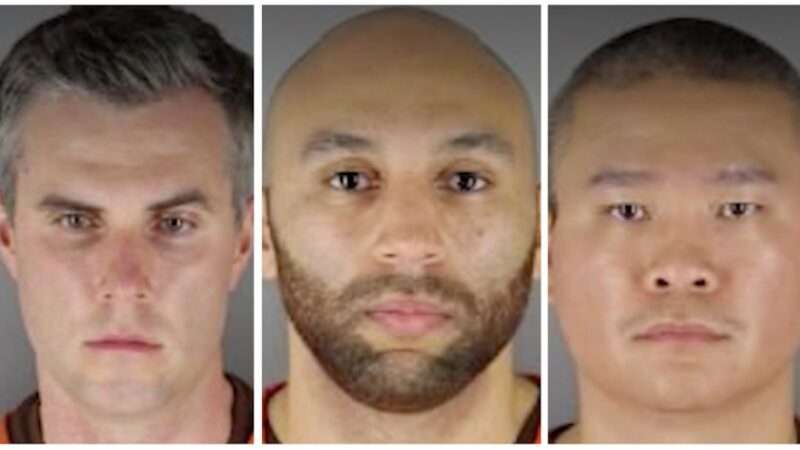
Derek Chauvin's deadly 2020 assault on George Floyd, carried out in broad daylight and in the presence of multiple witnesses who recorded it on their cellphones and later testified at Chauvin's murder trial, was an appalling spectacle that generated bipartisan outrage across the country. That outrage was compounded by the fact that two other Minneapolis police officers, Thomas Lane and J. Alexander Kueng, helped Chauvin pin a handcuffed Floyd face down to the pavement for nine and half minutes, while a third officer, Tou Thao, not only failed to intervene but also actively stopped bystanders, including an off-duty firefighter who was trained as an EMT, from coming to Floyd's aid.
The state sentence that Thao received this week caps three years of legal proceedings that aimed to assign responsibility for Floyd's death. Unsurprisingly, Chauvin, who was the senior officer on the scene and the main assailant, received the most severe prison sentences: more than 22 years in state court for unintentional second-degree murder and 21 years in federal court for willfully violating Floyd's constitutional rights under color of law. But contrary to what you might expect based on his indirect and largely passive role in killing Floyd, Thao's punishment substantially exceeds the penalties that Kueng and Lane received. Although that distinction is open to debate, there are plausible reasons to think it is justified.