

The skin on our hands deserves the same attention as that on our face, yet it’s often overlooked. There’s no elaborate skincare routine, no targeted actives – just a hurried application of hand cream if they’re lucky.
Yet hands are one of the first areas to show signs of premature ageing, partly because the skin is thinner and contains fewer sebaceous glands than the face. They’re also exposed to far more daily wear and tear, from harmful UV rays to constant washing and cleaning.
“We tend to walk with our hands partially flexed, which means the back of our hands are angled towards the sun, and they receive additional UV exposure while driving,” explains consultant dermatologist Dr Derrick Phillips. “Ultraviolet radiation is the primary driver of premature skin ageing, contributing to pigmentation, loss of elasticity and fine wrinkling.”Add in repeated exposure to hot water, soaps and detergents (all of which can strip protective lipids from the skin barrier), and it’s easy to see why hands can quickly become dry and more visibly lined over time.
How to protect your hands from premature ageing, according to a consultant dermatologist
Ahead, Dr Phillips explains how to protect your hands from everyday damage – from the best water temperature to the importance of SPF and barrier-supporting formulas.

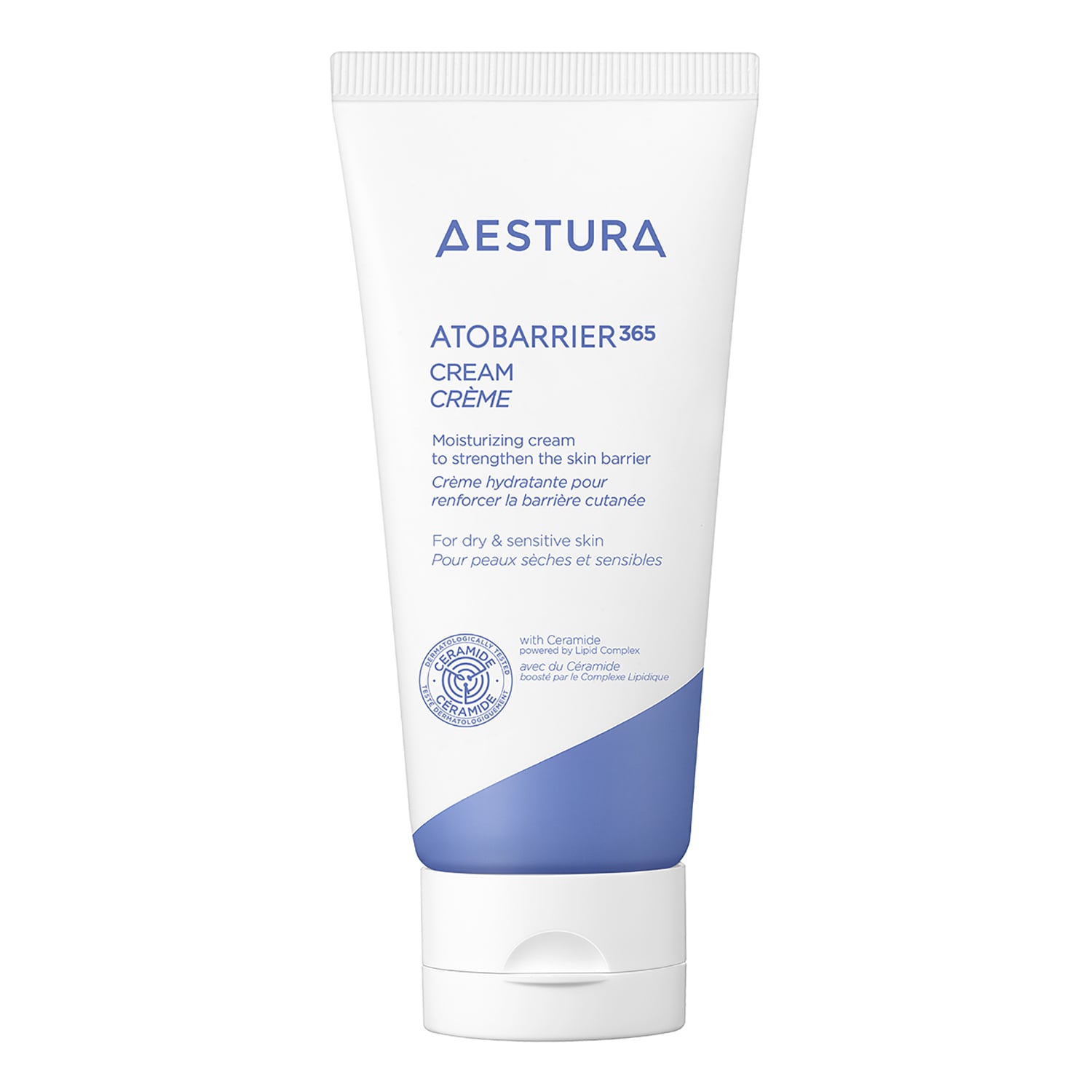
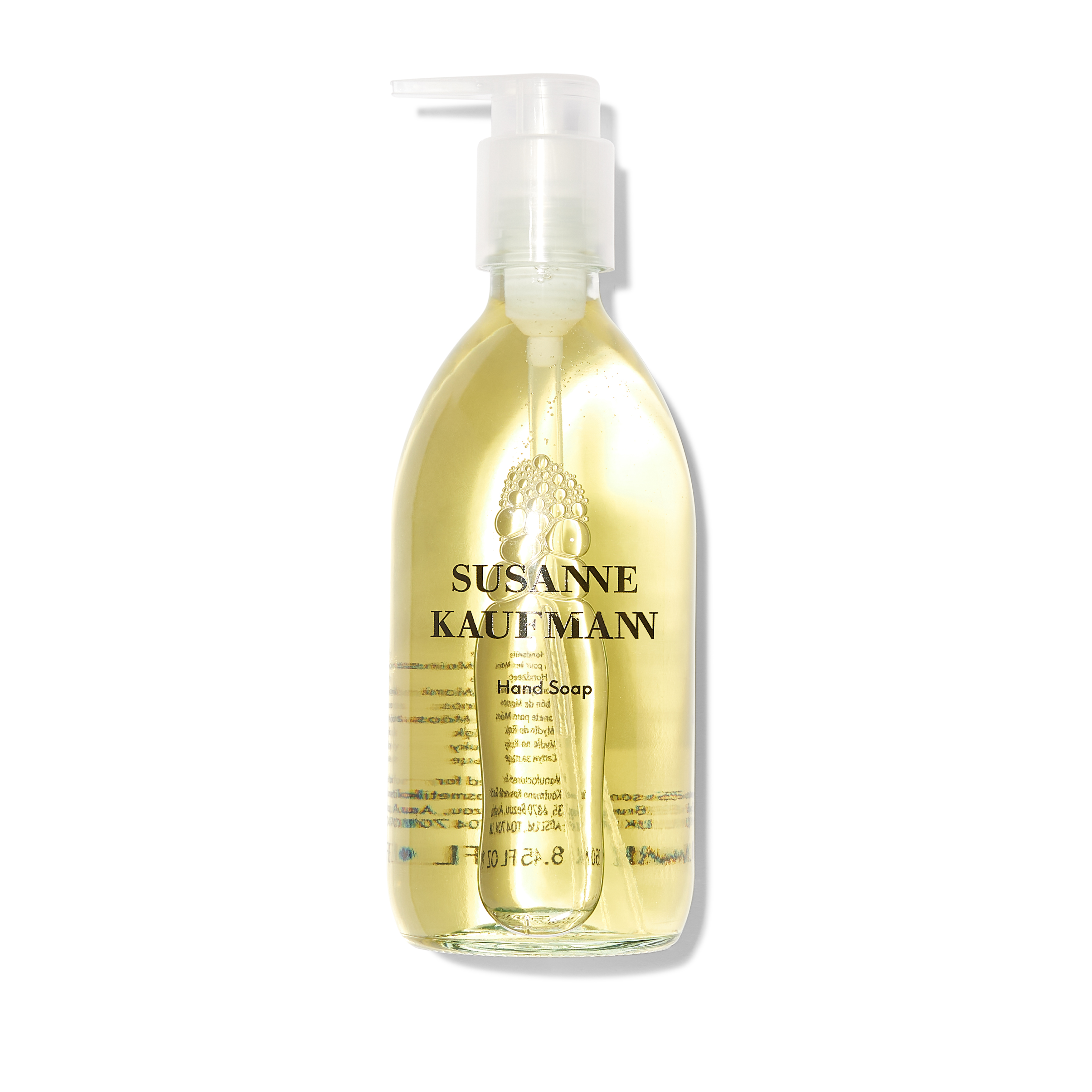
#1 Turn down the water temperature when washing your hands
While steaming hot water can feel comforting, dermatologists say it may be doing your skin barrier more harm than good. “Very hot water strips lipids from the outer layer of the skin,” explains Dr Phillips. “Over time, this weakens the skin barrier and contributes to dryness, flaking and irritation.”
This matters because the skin barrier acts as your hands’ protective shield, helping to lock in moisture and defend against environmental aggressors. Once compromised, hands can become increasingly dry and rough in texture. Dr Phillips recommends washing with warm rather than very hot water, which is still effective for killing germs without causing unnecessary irritation.
#2 Rethink your washing-up gloves
Rubber gloves are often considered essential for protecting hands while cleaning, but according to Dr Phillips, they can occasionally have the opposite effect.
“The surprising twist is that rubber washing-up gloves can actually contribute to irritation and barrier damage,” he explains. “When worn, sweat and moisture can build up inside the glove, causing friction and leaving hands dry or irritated once removed.”
If you regularly experience irritation after cleaning, it may be worth looking for breathable gloves and ensuring your hands are fully dry before putting them on. Taking breaks from prolonged glove use can also help minimise irritation.
#3 Choose gentler cleaning products
Much like harsh facial cleansers can leave skin feeling stripped, some detergents and soaps can disrupt the hands’ delicate moisture balance. Dr Phillips recommends switching to one of the best gentle hand washes, ideally a pH-balanced formula.
“By choosing a product that’s gentler on the skin, you’ll help to protect the skin’s natural pH levels and maintain a healthy skin barrier,” he says. This can be especially important for anyone already prone to dryness, sensitivity or eczema-prone skin, as repeated exposure to strong surfactants may exacerbate irritation over time.
#4 Moisturise straight after washing
According to dermatologists, timing matters when it comes to hand cream. Rather than waiting until hands already feel dry, Dr Phillips recommends applying moisturiser shortly after washing.
“Use a fragrance-free hand cream within a few minutes of washing and drying hands in order to replenish lost hydration and support the skin’s barrier repair,” he advises. Look for formulas containing ingredients such as ceramides, glycerin, shea butter or hyaluronic acid, which help attract and retain moisture while softening rough or crepey skin.
#5 Don’t forget to apply SPF on your hands
SPF is often reserved for the face, but experts say the backs of the hands are one of the most important areas when it comes to sun protection. “This is one of the most overlooked steps”, says Dr Phillips. “The backs of the hands receive significant UV exposure throughout the day.” He recommends applying a broad-spectrum SPF 30 or higher to the backs of the hands every morning (and reapplying after handwashing) to help prevent pigmentation and premature skin ageing over time.